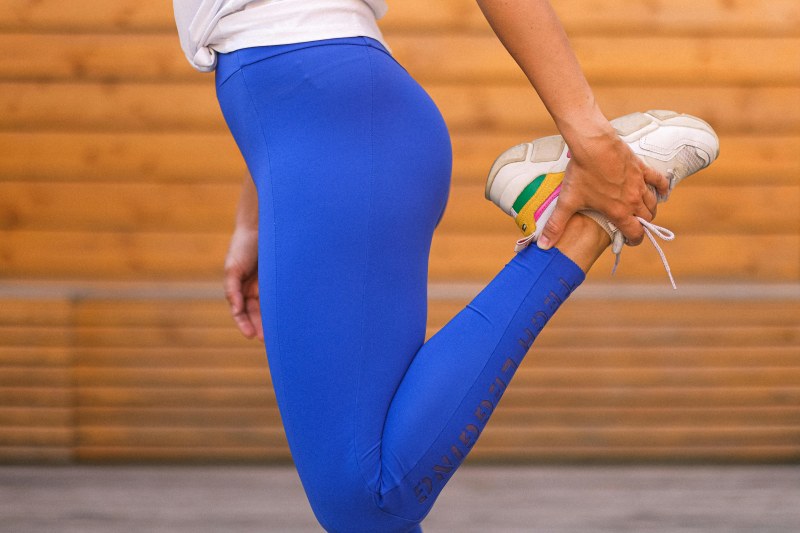
We’ve all been there: you set a goal to workout more, but then life hits—meetings run late, kids need help with homework, or you’re just too tired to l lace up your shoes. Sticking to a routine when your schedule is packed doesn’t have to be impossible, though. Let’s break down three simple ways to fit movement into your day without adding extra stress.
3 Ways Busy People Stick to a Workout Routine
1. Micro-Workouts: Short Bursts for Maximum Impact ⏱️
Forget the idea that you need 60 minutes at the gym to see results. Micro-workouts—5 to 10 minute bursts of activity scattered throughout your day—are a game-changer for busy folks. Think: doing 2 minutes of squats while waiting for your coffee to brew, 3 minutes of jumping jacks during a work break, or 5 minutes of yoga stretches before bed. A 2023 study from the American College of Sports Medicine found that these short sessions can boost cardiovascular health just as effectively as longer workouts, and they’re easy to fit into even the tightest schedules.
2. Scheduled “Non-Negotiable” Sessions 📅
Treat your workout like an important meeting—block time for it in your calendar and don’t cancel unless it’s an emergency. For example, wake up 30 minutes earlier three times a week to hit the gym, or take a 20-minute walk during your lunch break every day. This method works because it builds consistency: over time, your body and mind will start to expect that time for movement. The key here is to pick a time that’s least likely to be interrupted—if you’re not a morning person, don’t force early workouts; try a post-dinner walk instead.
3. Activity Swapping: Turn Daily Tasks into Movement 🔄
Why add extra time for workouts when you can turn your existing tasks into active ones? Swap sedentary habits for movement: take the stairs instead of the elevator, walk to the grocery store instead of driving, or do lunges while folding laundry. This method requires no extra time, and it’s easy to maintain because it’s part of your daily routine. For example, if you normally drive to the corner store, walking instead adds 10 minutes of movement without you having to plan anything.
Here’s a quick comparison of the three methods to help you pick what works best for your schedule:
| Method | Time Commitment per Session | Gear Needs | Pros | Cons |
|---|---|---|---|---|
| Micro-Workouts | 5-10 mins | None (or minimal: resistance bands) | Fits into tiny gaps; no planning needed | Less effective for muscle growth; hard to track progress |
| Non-Negotiable Sessions | 20-60 mins | Depends (gym gear, walking shoes, etc.) | Builds consistent habits; targets specific goals | Rigid; may conflict with unexpected plans |
| Activity Swapping | 0 extra mins (integrated into tasks) | Minimal (walking shoes, etc.) | No extra time; easy to maintain | Not structured; may not meet all fitness needs |
Final Tips to Keep Going 💡
Whichever method you choose, remember these small tricks to stay on track:
- Track your progress: Even a simple note in your phone about how many micro-workouts you did or walks you took can keep you motivated.
- Be flexible: If you miss a session, don’t beat yourself up—just get back to it the next day.
- Find a buddy: Working out with a friend or family member makes it more fun and holds you accountable.
Sticking to a workout routine when you’re busy isn’t about being perfect—it’s about finding what works for you and making movement a priority, no matter how small the steps.