Last week, I tried to make salted caramel for my chocolate chip cookies. I dumped sugar into a pan, turned up the heat, and got distracted by a text. When I looked back, the sugar was a dark, bitter mess—burned beyond saving. Sound familiar? Caramelization is that magical (and tricky) process that turns plain sugar into golden, rich goodness, but it’s easy to mess up if you don’t know the basics.
What Is Caramelization, Anyway?
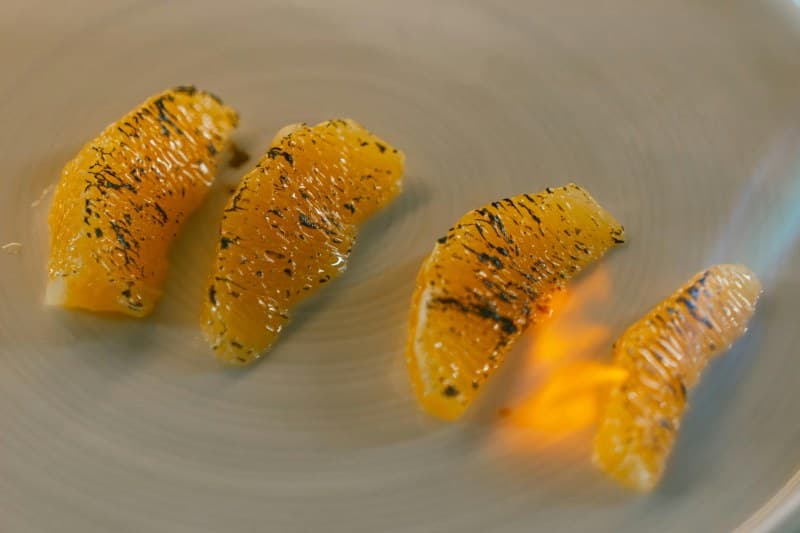
At its core, caramelization is the chemical breakdown of sugar when heated. As sugar molecules heat up, they lose water, break apart, and form new compounds that give food that signature golden color and deep, sweet-bitter flavor. It’s why your roasted veggies get crispy and sweet, why your coffee has that rich aroma, and why caramel sauce is so irresistible.
2 Key Types of Caramelization (You Probably Mix Them Up)
Most people think caramelization is just about sugar, but there are two distinct processes that create those delicious browned flavors. Here’s how they compare:
| Type | Trigger | Food Examples | Flavor Profile |
|---|---|---|---|
| Sugar Caramelization | Heating pure sugar (no amino acids needed) | Caramel sauce, crème brûlée topping, candies | Sweet, buttery, with hints of toffee or burnt sugar |
| Maillard Reaction | Heating amino acids + reducing sugars (e.g., glucose, fructose) | Roasted chicken skin, toasted bread, seared steak | Savory, nutty, complex (think crispy edges on fries) |
Common Myths Debunked
Myth 1: You need to stir caramel nonstop
While stirring helps prevent burning, once sugar melts into a liquid, too much stirring can cause crystallization. Instead, swirl the pan gently to distribute heat evenly.
Myth 2: Caramelization only happens with white sugar
Any sugar (brown, maple syrup, honey) can caramelize. Brown sugar has molasses, which adds extra depth, while honey caramelizes faster because of its higher fructose content.
Practical Tips to Nail Caramelization Every Time
- Use a heavy-bottomed pan: It distributes heat evenly, so no hot spots that burn the sugar.
- Watch the color: Light amber = mild, sweet caramel; dark amber = deep, bitter-sweet (perfect for salted caramel).
- Add acid (optional): A squeeze of lemon juice or a splash of cream can stop crystallization and add brightness.
“Cooking is like love; it should be entered into with abandon or not at all.” — Julia Child
This quote sums up caramelization perfectly. You can’t rush it or get distracted—you have to be present to catch that perfect golden moment. My burnt caramel mistake taught me that!
FAQ: Your Caramelization Questions Answered
Q: Can I caramelize vegetables without sugar?
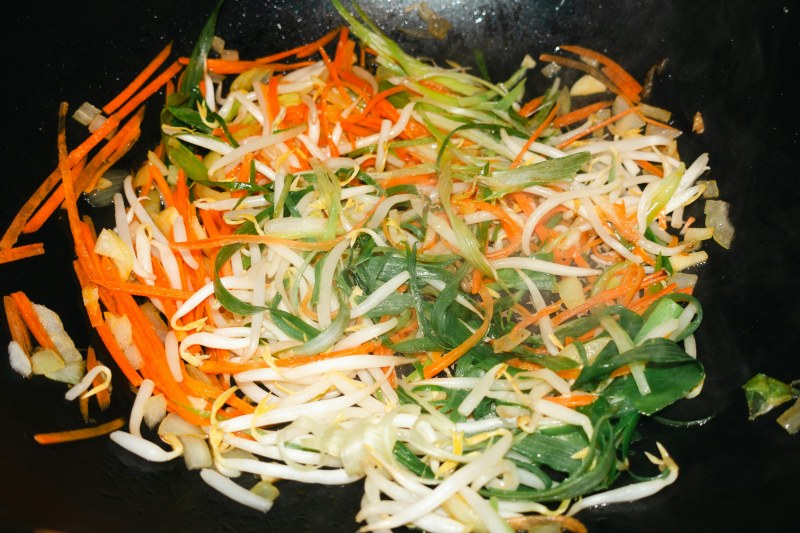
A: Yes! Veggies like onions, carrots, and bell peppers have natural sugars. When you sauté them slowly over low heat, those sugars caramelize, giving them a sweet, rich flavor without adding extra sugar.
Q: Why does my caramel turn grainy?
A: Graininess happens when sugar crystals form. To fix it, brush the sides of the pan with water while the sugar melts—this washes away any sugar crystals that stick to the edges.
Next time you’re making caramel or roasting veggies, keep these tips in mind. With a little patience and attention, you’ll get that perfect browned flavor every time.