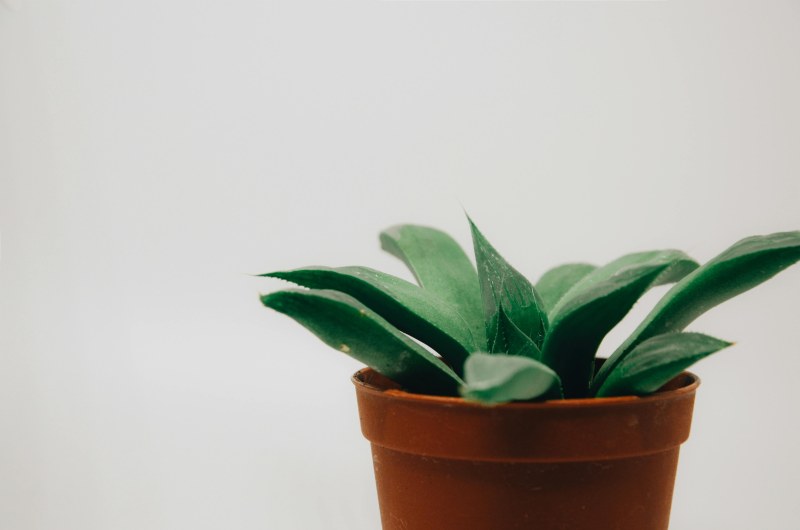
Last week, I walked into my living room and noticed my favorite pothos had a handful of yellow leaves. My first thought? I must have killed it. But after a little research and trial, I got it back to its lush green self. Yellow leaves aren’t a death sentence—they’re your plant’s way of sending a message. Let’s break down the 5 most common reasons they happen and how to fix them.
5 Common Causes of Yellow Leaves (And Their Fixes) 🌿
Here’s a quick comparison of the top culprits, their telltale signs, and simple fixes:
| Cause | Key Signs | Easy Fix |
|---|---|---|
| Overwatering | Soft, mushy yellow leaves; soggy soil; root rot smell | Let soil dry completely; repot if root rot is present; reduce watering frequency |
| Underwatering | Crispy, dry yellow leaves; soil pulls away from pot edges | Water thoroughly until it drains from the bottom; set a watering reminder |
| Lack of Light | Pale yellow leaves; leggy growth (long stems with few leaves) | Move to a brighter spot (avoid direct sun for shade-loving plants); rotate weekly |
| Nutrient Deficiency | Yellow leaves with green veins (iron deficiency); slow growth | Feed with balanced liquid fertilizer every 4-6 weeks; use nutrient-rich soil |
| Pest Infestation | Yellow spots or stippling; tiny bugs (aphids, spider mites) on leaves | Wipe leaves with soapy water; use neem oil spray; isolate from other plants |
Overwatering is the number one mistake new plant parents make. When roots sit in soggy soil, they can’t absorb oxygen—leading to root rot and yellow leaves. If your plant’s soil is mushy and the yellow leaves are soft, this is likely the issue. For example, my pothos was overwatered; I let the soil dry out for two weeks and trimmed the yellow leaves, and it bounced back.
Underwatering, on the other hand, causes leaves to turn crispy and yellow. I once forgot to water my succulent for a month—its leaves turned yellow and wrinkled. A deep watering (until water ran out the bottom) brought it back to life within a week.
Preventing Yellow Leaves: Pro Tips 💡
Once you’ve fixed the immediate issue, these tips will help keep your plants green and healthy:
- Check soil moisture first: Stick your finger 1-2 inches into the soil—if it’s dry, water; if damp, wait.
- Rotate plants weekly: This ensures all sides get equal light, preventing leggy growth.
- Use the right soil: For succulents, use cactus mix; for leafy plants, use potting soil with perlite for drainage.
- Clean leaves regularly: Dust blocks light and harbors pests—wipe leaves with a damp cloth monthly.
“To plant a garden is to believe in tomorrow.” — Audrey Hepburn
This quote reminds us that caring for plants isn’t just about keeping them alive—it’s about nurturing growth and hope. When you notice yellow leaves, it’s an invitation to slow down and listen to your plant’s needs, which helps you connect with the natural world around you.
A Quick Q&A: Your Yellow Leaf Questions Answered 🤔
Q: Can yellow leaves turn green again?
A: Unfortunately, once a leaf turns fully yellow, it can’t revert to green. The chlorophyll (which gives leaves their green color) has broken down. But you can stop more leaves from turning by fixing the underlying issue. Trim the yellow leaves to help the plant focus its energy on new growth.
Q: How do I know if my plant has root rot?
A: Gently remove the plant from its pot. If the roots are brown, mushy, and smell bad, it has root rot. Cut away the rotten roots, repot in fresh soil, and reduce watering.
Final Thought
Caring for houseplants is a learning process. Don’t get discouraged if you see yellow leaves—use them as a guide to become a better plant parent. With a little patience and attention, your green friends will thrive.