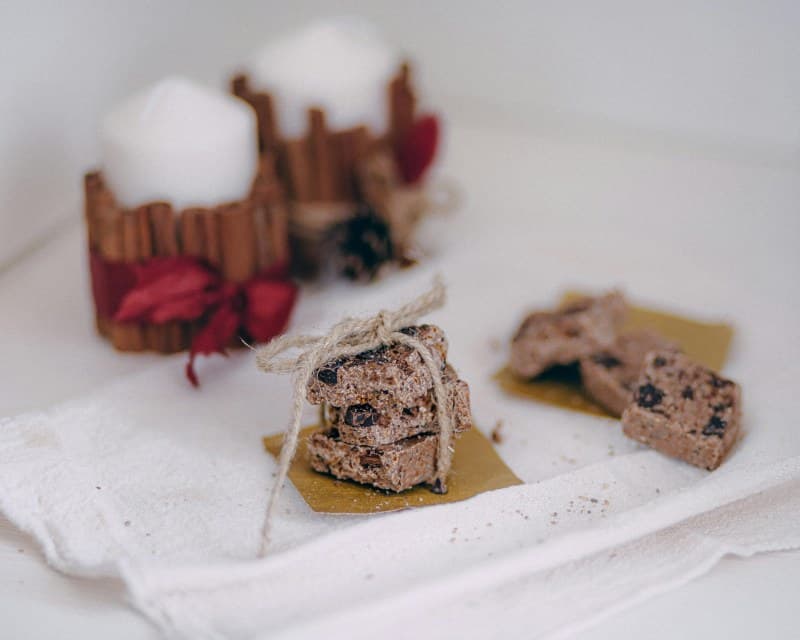
Last month, I tried to make chocolate chip cookies for my neighbor’s birthday. I was in a rush, so I melted the butter instead of letting it soften, skipped chilling the dough, and crowded the baking sheet. The result? Flat, greasy cookies that stuck to the pan. My neighbor laughed it off, but I knew I had to figure out where I went wrong. Turns out, I made three of the most common cookie-baking mistakes—and once I fixed them, my cookies turned into golden, chewy masterpieces.
7 Common Cookie Baking Mistakes (And How to Fix Them)
1. Overmixing the Dough
When you mix cookie dough too long, gluten forms in the flour. This makes your cookies tough instead of tender. Next time, mix only until the flour is just incorporated—don’t keep beating once you can’t see any white powder.
2. Using the Wrong Butter Temperature
Butter that’s too melted (like from the microwave) will make your cookies spread into flat disks. Butter that’s too cold (straight from the fridge) won’t mix well, leading to lumpy dough and non-spreading cookies. Aim for room temperature: 65°F (18°C) — soft enough to press with your finger but not liquid.
3. Skipping the Chilling Step
Chilling dough slows down the spread of cookies in the oven. It also lets the flavors meld, making your cookies taste richer. Even 30 minutes in the fridge can make a huge difference—try it!
4. Overcrowding the Baking Sheet
Cookies need space to spread. If you put too many on one sheet, they’ll run into each other and turn into a giant cookie blob. Leave at least 2 inches between each dough ball.
5. Using Expired Baking Soda/Powder
Leavening agents like baking soda and powder help cookies rise. If they’re expired, your cookies will be flat and dense. To check if they’re still good: mix a spoonful with vinegar—if it fizzes, it’s active.
6. Baking at the Wrong Temperature
Ovens can be inaccurate! If your oven is too hot, cookies will burn on the edges before the center is done. If it’s too cold, they’ll spread too much. Use an oven thermometer to make sure the temp matches your recipe.
7. Overbaking
Cookies keep cooking for a few minutes after you take them out of the oven. Take them off the sheet when the edges are golden but the center still looks slightly underdone—they’ll firm up as they cool.
Quick Comparison: Cookie Issues & Fixes
Here’s a handy table to troubleshoot common cookie problems:
| Issue | Mistake Cause | Quick Fix |
|---|---|---|
| Flat, greasy cookies | Melted butter or overmixing | Use room temp butter; mix only until combined |
| Tough cookies | Overmixing dough | Stop mixing once flour is incorporated |
| Burnt edges, undercooked center | Oven temp too high or overcrowding | Lower temp by 25°F; leave 2 inches between cookies |
| Pale, non-spreading cookies | Cold butter or expired leavening | Let butter sit 30 mins; check baking soda/powder |
| Chewy instead of crispy | Too much brown sugar or underbaking | Reduce brown sugar by 1 tbsp; bake 1-2 mins longer |
A Word from the Pros
“The only real stumbling block is fear of failure. In cooking, you’ve got to have a what-the-hell attitude.” — Julia Child
Julia Child’s words ring true for cookie baking. Don’t let a few flat or burnt batches stop you. Every mistake is a chance to learn—and soon, you’ll be making cookies that everyone raves about.
FAQ: Your Cookie Questions Answered
Q: Can I substitute margarine for butter in cookies?
A: Yes, but butter gives better flavor and texture. If you use margarine, pick one with at least 80% fat (the higher the fat, the better the cookies will turn out).
Q: Why do my cookies spread too much even when I use room temp butter?
A: Check if your oven is too hot or if you skipped chilling the dough. Chilling is key to preventing spread!
Next time you bake cookies, keep these tips in mind. You’ll be surprised at how small changes can make a big difference. Happy baking! 🍪