I used to spend 15 minutes every morning doing static stretches before my run: touching my toes, holding hamstring pulls, and reaching for the sky. I thought it was the only way to avoid injury—until my coach told me I was doing it wrong. Turns out, not all stretching is created equal, and some myths about it are holding us back.
The Truth About Pre-Workout Stretching
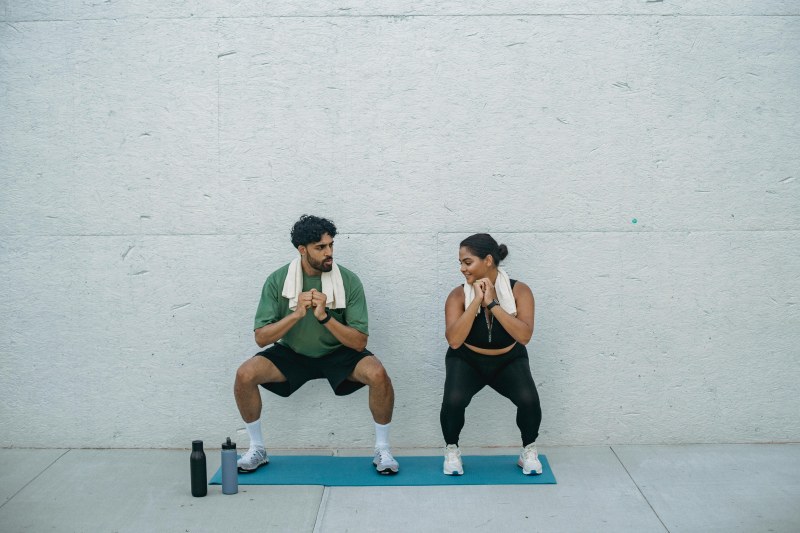
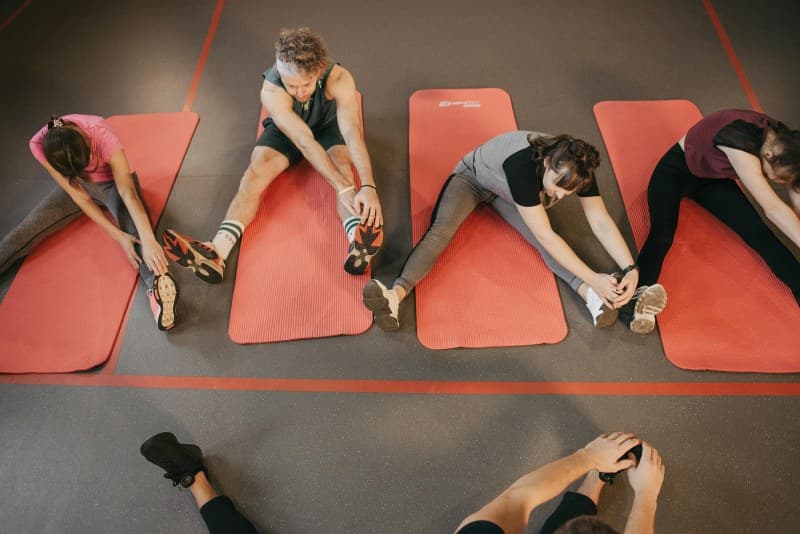
For years, static stretching (holding a position for 20+ seconds) was the go-to pre-workout routine. But recent research shows it might not be ideal for high-intensity activities like running or soccer. Static stretches can temporarily reduce muscle power, which is the last thing you want before a sprint or jump. Instead, dynamic stretching (moving through ranges of motion) is better—it warms up muscles, increases blood flow, and primes your body for action.
Let’s break down the key differences between dynamic and static stretching:
| Type | When to Use | Benefits | Examples |
|---|---|---|---|
| Dynamic | Before workouts (high-intensity, cardio, sports) | Warms muscles, improves range of motion, boosts blood flow | Leg swings, arm circles, bodyweight squats |
| Static | After workouts or cool-down | Reduces muscle soreness, increases flexibility over time | Hamstring holds, shoulder stretches, calf pulls |
4 Common Stretching Myths Debunked
- Myth: You must stretch before every workout. Truth: It depends. Low-intensity activities like walking or yoga might not need pre-stretching. For high-intensity sports, dynamic stretches are useful—but static ones? Save them for post-workout.
- Myth: Holding a stretch for 60 seconds is best. Truth: 20-30 seconds is enough for static stretches. Longer holds don’t add extra flexibility and can even lead to muscle strain.
- Myth: Stretching prevents all injuries. Truth: It reduces risk, but it’s not a magic shield. Proper form, gradual training, and rest are just as important.
- Myth: All stretches are safe for everyone. Truth: People with joint issues (like knee pain) should avoid deep squats or lunges. Always listen to your body—if a stretch hurts, stop.
“The best stretch is the one that serves your body’s current needs.” — Common fitness wisdom
This quote hits home because stretching isn’t one-size-fits-all. A runner needs different stretches than a weightlifter, and a beginner needs different ones than a pro. Let’s take Sarah, a casual soccer player: she used to static stretch her quads for 10 minutes before games but felt tight during the first half. Her trainer switched her to dynamic stretches (high knees, lateral shuffles, leg swings) and after two weeks, she noticed she could move more freely and had fewer post-game aches.
FAQ: Your Stretching Questions Answered
Q: Can I skip stretching if I’m short on time?
A: If you’re pressed, focus on dynamic stretches for the muscles you’ll use most. For example, if you’re lifting weights, do arm circles and bodyweight lunges. Skipping entirely isn’t ideal, but a quick 5-minute dynamic routine is better than nothing.
Stretching is an important part of fitness, but it’s not about checking boxes. By ditching the myths and tailoring your routine to your body and sport, you can perform better and feel great. Whether you’re a runner, gym-goer, or weekend warrior, the right stretch can make all the difference.