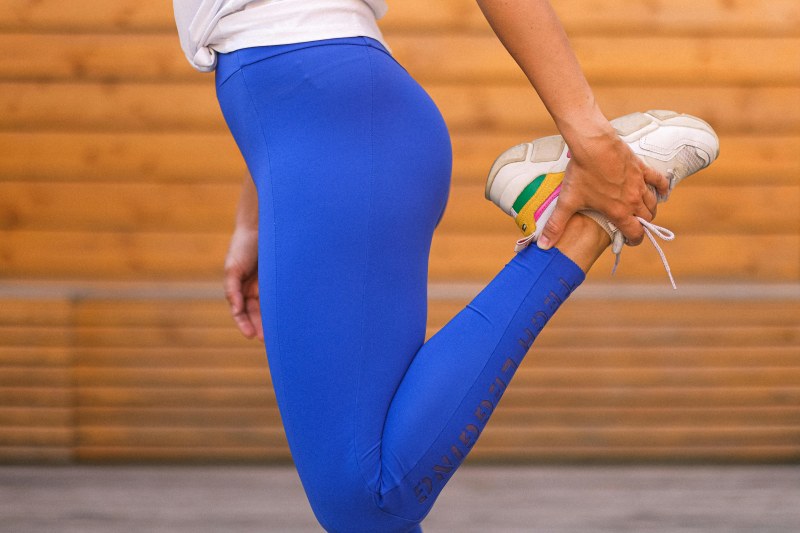
Ever found yourself staring at your calendar, wondering how to fit a workout in between work, errands, and family time? If so, you’ve probably heard of HIIT—but do you know what it really is, or how to pick the right type for you? HIIT (High-Intensity Interval Training) is all about short bursts of max effort followed by quick rest periods, and it’s become a go-to for busy people who want results fast.
6 Key HIIT Types to Try (Plus Which One Fits Your Goals)
Not all HIIT is the same. Here’s a breakdown of six popular types, so you can pick the one that matches your schedule and what you want to achieve:
| Type Name | Core Concept | Best For | Average Session Length |
|---|---|---|---|
| Tabata | 20 sec max effort → 10 sec rest (repeat 8x) | Time-crunched beginners | 4-5 mins (plus warm-up/cool-down) |
| EMOM (Every Minute on the Minute) | Complete a set of exercises in 1 min; rest the remaining time | Building consistency | 10-15 mins |
| AMRAP (As Many Rounds As Possible) | Do as many rounds of a circuit as you can in a set time | Boosting endurance | 10-20 mins |
| Circuit HIIT | Rotate between strength and cardio moves with short rests | Full-body fitness | 15-25 mins |
| Sprint Intervals | Sprint (30-60 sec) → walk/jog rest (1-2 mins) | Cardio improvement | 10-15 mins |
| Strength HIIT | Max-effort strength moves (e.g., burpees, squats) with short rests | Building muscle and burning fat | 15-20 mins |
Why HIIT Works: The Science Behind the Burn
HIIT isn’t just a trend—it’s backed by science. One of its biggest perks is the EPOC effect (Excess Post-Exercise Oxygen Consumption), which means your body keeps burning calories for hours after your workout ends. For example, a 20-minute HIIT session can keep your metabolism revved up for up to 12 hours. It also improves both cardio (heart health) and strength, making it a double-duty workout.
6 Common HIIT Myths Debunked
Let’s clear up some misconceptions:
- Myth 1: HIIT is only for athletes → Fact: Beginners can start with low-impact moves like marching in place or bodyweight squats.
- Myth 2: You need a gym → Fact: Most HIIT workouts use bodyweight (think burpees, mountain climbers) or simple gear like dumbbells.
- Myth3: It’s bad for joints → Fact: Choose low-impact options (e.g., swimming sprints) if you have joint issues.
- Myth4: You have to go all-out every time → Fact: Adjust intensity based on your energy level—even 70% effort counts.
- Myth5: It doesn’t build muscle → Fact: Strength HIIT (like squats with weights) helps build lean muscle.
- Myth6: It’s only for weight loss → Fact: It also boosts endurance and heart health.
Quick Tips to Start HIIT Safely
Ready to give HIIT a try? Keep these in mind:
- Warm up for 5 mins (jumping jacks, arm circles) to avoid injury.
- Start with 10-minute sessions and gradually increase time.
- Listen to your body—if something hurts, stop.
- Cool down with stretching to reduce soreness.
HIIT is flexible, efficient, and perfect for anyone who wants to get the most out of their workout time. Whether you’re a beginner or a pro, there’s a HIIT type that fits your lifestyle. So grab your sneakers and give it a go—your body will thank you!