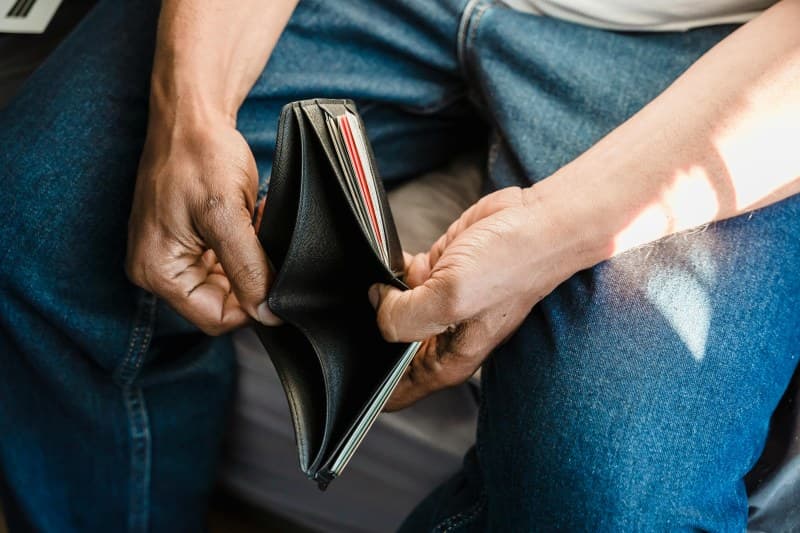
Let’s start with Sarah’s story: A 28-year-old teacher who couldn’t figure out why her bank account was always empty. She earned a steady salary, but every month, she’d look at her statements and see $150 on takeout coffee, $80 on impulse Amazon buys, and $100 on restaurant meals she didn’t even enjoy. Sound familiar? Most overspending isn’t about being bad with money—it’s about hidden psychological triggers that push us to spend without thinking.
7 Hidden Triggers That Make You Overspend
1. FOMO (Fear of Missing Out) 🔔
Ever bought concert tickets just because all your friends were going, even though you didn’t love the band? That’s FOMO. It’s the anxiety of being left out, and it’s a powerful driver of impulse spending.
Fix: Pause for 24 hours before buying something because of FOMO. Ask: “Would I want this if no one else was getting it?”
2. Emotional Spending (Stress, Sadness, or Joy) 😢🎉
Sarah’s takeout coffee habit? It was her way to cope with lesson plan stress. Emotional spending is when we use purchases to numb negative feelings or amplify positive ones.
Fix: Create a “comfort list” of free or low-cost activities (like walking, reading, or calling a friend) to replace emotional shopping.
3. Decision Fatigue 🥱
After a long day of making choices, your willpower wears thin. That’s why you’re more likely to grab a $10 snack on the way home or click “buy now” on that random online ad.
Fix: Plan your meals and errands the night before. This reduces the number of decisions you need to make during the day.
4. Anchoring Bias 🏷️
When you see a shirt marked “$100, now $50,” you think it’s a steal—even if $50 is still more than you’d normally spend. Anchoring bias makes you fixate on the original price instead of the actual value.
Fix: Ignore the “original” price. Ask: “Is this worth what I’m paying for it, regardless of the discount?”
5. Social Proof 🧑🤝🧑
You see your coworker with a new laptop, so you want one too. Social proof is when we follow others’ actions because we think they know better.
Fix: Unfollow social media accounts that make you feel like you need to keep up. Surround yourself with people who value saving.
6. Instant Gratification ⚡
We want what we want now—even if it means going into debt. That new phone? You could save for it, but it’s easier to put it on a credit card.
Fix: Use the “30-day rule” for big purchases. Wait 30 days; if you still want it, save up for it.
7. “Treat Yourself” Mentality 🎁
You worked hard this week, so you deserve that $20 smoothie bowl—right? The problem is when “treat yourself” becomes an excuse to overspend every day.
Fix: Set a monthly “treat budget” (e.g., $50). Only use that money for treats, so you don’t overdo it.
Trigger vs. Fix: A Quick Reference Table
Here’s a handy table to help you spot and fix these triggers:
| Trigger | What It Means | Quick Fix |
|---|---|---|
| FOMO | Anxiety of missing out on social events/experiences | Pause 24 hours before buying |
| Emotional Spending | Using purchases to cope with feelings | Use a free comfort list instead |
| Decision Fatigue | Willpower wears thin after many choices | Plan meals/errands the night before |
| Anchoring Bias | Fixating on original price instead of value | Ignore discounts; focus on actual worth |
| Social Proof | Following others’ spending habits | Unfollow “lifestyle” accounts |
| Instant Gratification | Wanting things immediately | 30-day rule for big purchases |
| “Treat Yourself” | Overusing rewards as an excuse to spend | Set a monthly treat budget |
Wisdom to Remember
“The greatest wealth is contentment with little.” – Epicurus
This ancient quote reminds us that true wealth isn’t about having more—it’s about being happy with what we have. When we let go of the need to buy to feel fulfilled, we take back control of our spending.
FAQ: Your Overspending Questions Answered
Q: Can I ever completely eliminate these triggers?
A: Probably not—our brains are wired to seek pleasure and avoid pain. But you can manage them. For example, if you know decision fatigue hits you at 6 PM, avoid grocery shopping or online browsing during that time. Small, intentional changes add up.
Q: What if I slip up and overspend?
A: Don’t beat yourself up! One mistake doesn’t ruin your budget. Just acknowledge it, learn from it (e.g., “I bought that because I was stressed”), and get back on track the next day.
Final Thoughts
Overspending isn’t a character flaw—it’s a response to hidden psychological triggers. By recognizing these triggers and using simple fixes, you can take control of your money and save for the things that truly matter. Remember: Every small choice (like skipping that $5 coffee) brings you closer to your financial goals. 💰