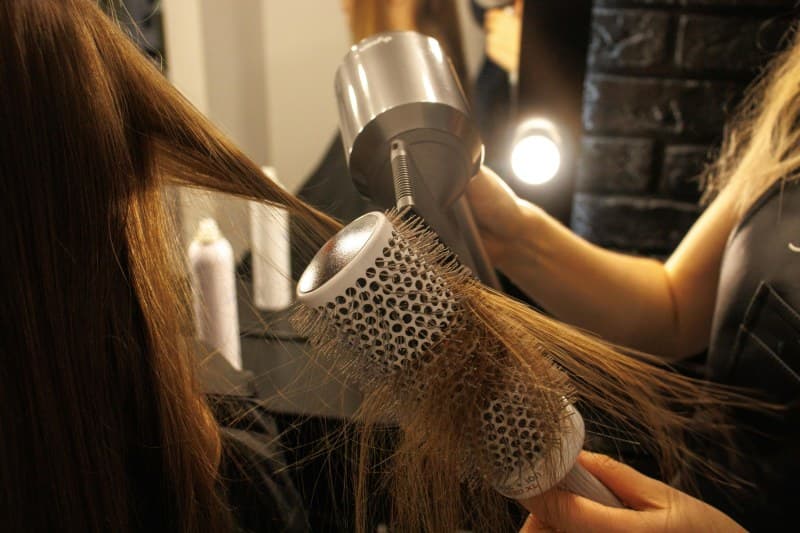
My friend Lila spent months trying every deep conditioner on the market. She’d slather on thick masks, leave them in for hours, but her hair still felt dry by midday. Then a stylist told her the problem: her hair was high porosity—meaning moisture slipped right out before it could sink in. If you’ve ever felt like your hair products aren’t working, chances are porosity is to blame.
What Is Hair Porosity, Anyway?
Hair porosity refers to how well your hair cuticle (the outer layer of each strand) absorbs and retains moisture. Think of the cuticle like shingles on a roof: if the shingles are laid flat (low porosity), water and products have a hard time getting in. If they’re lifted or gaps exist (high porosity), moisture flows in easily but also escapes quickly. Medium porosity is the sweet spot—balanced absorption and retention.
Types of Hair Porosity: A Quick Comparison
Not sure which category your hair falls into? Here’s a breakdown:
| Porosity Type | Key Traits | Best Products | Top Care Tips |
|---|---|---|---|
| Low | Smooth texture; products sit on top; takes long to wet/dry. | Lightweight oils (argan, jojoba); water-based leave-ins. | Use heat (like a hooded dryer) to open cuticles; avoid heavy products. |
| Medium | Easy to style; holds moisture well; minimal frizz. | Balanced conditioners; curl creams; light oils. | Regular deep conditioning; protect from heat damage. |
| High | Rough texture; frizz-prone; dries fast; breaks easily. | Thick deep conditioners; protein treatments; sealing oils (castor, coconut). | Seal moisture with oil after washing; avoid harsh chemicals. |
7 Common Hair Porosity Myths Debunked
- Myth 1: Porosity equals hair texture. Nope—curly hair can be low porosity, straight hair high. It’s about the cuticle, not the shape.
- Myth 2: High porosity hair is beyond repair. While you can’t change your porosity, you can manage it with the right products (like protein treatments to strengthen cuticles).
- Myth3: Low porosity hair needs more oil. Heavy oils will just sit on the surface—opt for lightweight, water-based products instead.
- Myth4: All deep conditioners work for all porosity. High porosity needs thick, moisturizing masks; low needs lighter, penetrating ones.
- Myth5: Porosity never changes. Heat styling, chemical treatments, and environmental damage can increase porosity over time.
- Myth6: You need expensive products. Drugstore options like coconut oil (for high porosity) or argan oil (for low) work great.
- Myth7: Heat styling doesn’t affect porosity. Excessive heat lifts the cuticle, leading to higher porosity and frizz.
Wisdom for Your Locks
“Knowing yourself is the beginning of all wisdom.” — Aristotle
This ancient quote rings true for hair care too. When you understand your hair’s porosity, you stop guessing and start using products that actually work. Lila, for example, switched to thick deep conditioners and sealed her hair with castor oil—now her locks stay moisturized all day.
FAQ: Your Porosity Questions Answered
Q: Can I test my hair porosity at home?
A: Yes! Try the float test: Take a clean, dry strand of hair (from your brush) and drop it in a glass of water. If it sinks quickly, it’s high porosity. If it floats, it’s low. If it stays in the middle, medium. You can also do the slip test: Run your fingers up the strand (from ends to roots). If it feels rough or catches, it’s high porosity; smooth means low.
Final Tips to Care for Your Porosity
Once you know your porosity, adjust your routine: For low porosity, use heat to help products penetrate. For high, seal moisture with oil after washing. And remember—consistency is key. Your hair will thank you!