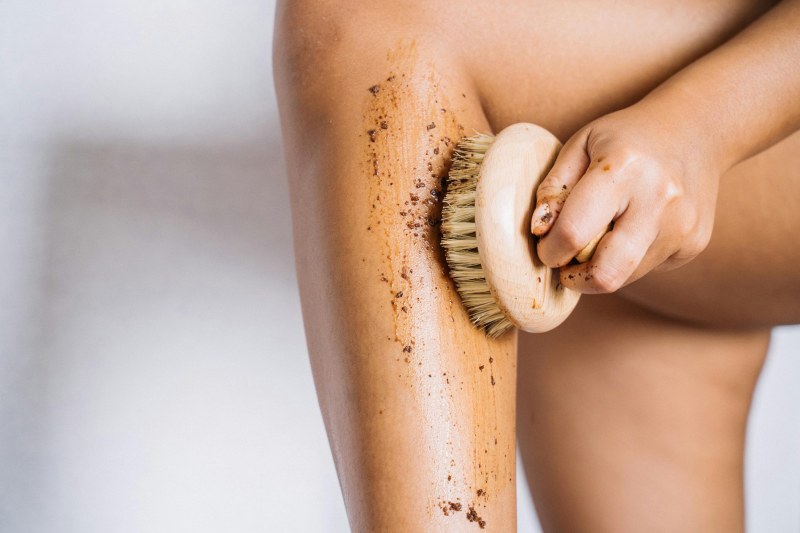
Last month, my friend Mia decided to chase that "glass skin" glow. She slathered on a gritty physical scrub every morning and a strong chemical peel every night. By week’s end, her skin was red, tight, and peeling in patches. She thought more exfoliation meant faster results—but she was wrong. Exfoliation is powerful, but only when you do it right.
What Is Facial Exfoliation, Anyway?
At its core, exfoliation is the process of removing dead skin cells from the surface of your face. These dead cells can clog pores, make skin look dull, and prevent skincare products from absorbing properly. When done correctly, it reveals fresher, brighter skin and boosts your routine’s effectiveness.
2 Key Types of Exfoliation: Physical vs. Chemical
Not all exfoliation is the same. Let’s break down the two main types:
| Type | How It Works | Best For | Pros | Cons |
|---|---|---|---|---|
| Physical (Mechanical) | Uses scrub particles, brushes, or cloths to physically slough off dead cells. | Normal to oily skin; those who prefer immediate texture changes. | Immediate smoothness; easy to use at home. | Can cause micro-tears if too harsh; may irritate sensitive skin. |
| Chemical | Uses acids (AHAs like glycolic acid, BHAs like salicylic acid) to dissolve dead cells and unclog pores. | Dry, sensitive, or acne-prone skin; those looking for deep pore cleaning. | Gentler on skin barrier; targets specific issues (acne, hyperpigmentation). | May cause mild tingling; requires sun protection post-use. |
Myths That Need to Be Debunked
Myth 1: More Exfoliation = Better Results
Over-exfoliation is a common mistake. It strips away the skin’s natural protective barrier, leading to redness, dryness, and even breakouts. Mia’s story is a perfect example—less is often more.
Myth 2: Physical Exfoliation Is Always Harsh
Not true! Gentle physical exfoliants with round, non-abrasive particles (like jojoba beads) are safe for most skin types. Avoid scrubs with sharp edges (like walnut shells) that can damage skin.
Routine Tips for Every Skin Type
- Dry Skin: Opt for a mild chemical exfoliant (like lactic acid) once a week. It hydrates while exfoliating.
- Oily/Acne-Prone Skin: Use a BHA (salicylic acid) 2-3 times a week to unclog pores and control oil.
- Sensitive Skin: Try a gentle physical scrub (with fine particles) or a low-concentration AHA once a week. Patch test first!
"Self-care is how you take your power back." — Lalah Delia
This quote rings true for exfoliation. It’s not just about looking good—it’s a small, intentional act of caring for your skin that boosts confidence.
Quick Q&A: Your Exfoliation Questions Answered
Q: Can I exfoliate if I have sensitive skin?
A: Yes! Choose a mild exfoliant (like a low-concentration lactic acid or a gentle physical scrub) and start with once a week. Stop if you feel irritation.
Q: Do I need to wear sunscreen after exfoliating?
A: Absolutely! Exfoliated skin is more sensitive to UV rays. Always apply SPF 30+ after exfoliating, even on cloudy days.
Final Thoughts
Exfoliation is a key part of any skincare routine—but it’s not one-size-fits-all. Whether you choose physical or chemical, the goal is to treat your skin with kindness. Listen to your skin, adjust your routine as needed, and enjoy the glow that comes from healthy, well-cared-for skin.