Last year, I found myself in Oaxaca, Mexico, staring at a street food stall selling tamales. I hesitated to order—until the owner, Doña Maria, waved me over and handed me a warm tamale wrapped in corn husk. By the end of the afternoon, I was sitting in her kitchen, learning to spread masa dough and fill it with pork, just like her family had done for generations. That moment wasn’t just about food; it was about stepping into her world.
What Is Cultural Immersion, Anyway?
Cultural immersion isn’t just visiting famous landmarks or taking photos of traditional clothing. It’s about participating in the daily lives of locals—eating where they eat, doing what they do, and listening to their stories. It turns a trip from a checklist of sights into a memory you’ll carry forever.
7 Practices to Experience Local Culture
Here are 7 ways to dive deeper into the culture of any place you visit:
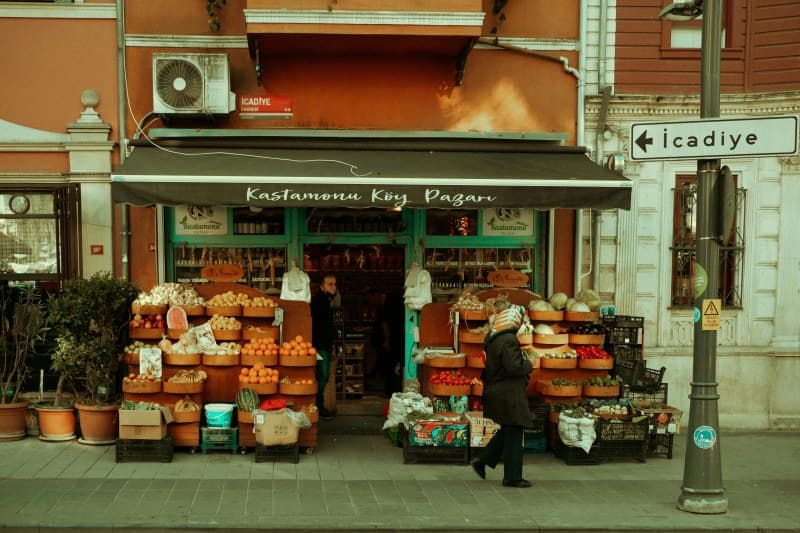
- Visit local markets: Skip the touristy craft markets. Head to the ones where locals buy their groceries—you’ll find fresh produce, homemade snacks, and vendors who love to chat (if you ask nicely).
- Join a cooking class with a local: Learning to make traditional dishes from someone who grew up with them teaches you more about their culture than any cookbook.
- Stay in a homestay: Instead of a hotel, stay with a local family. You’ll get to see how they live, eat their home-cooked meals, and maybe even help with chores.
- Attend a community event: Check for local festivals, church services, or neighborhood gatherings. Even if you don’t understand the language, the energy and traditions will speak for themselves.
- Learn key phrases: A simple “hello,” “thank you,” or “how much?” in the local language shows respect and can open doors to conversations.
- Walk or bike around neighborhoods: Taxis and buses take you from point A to B, but walking lets you notice small details—like a street artist painting a mural or kids playing a local game.
- Buy from local artisans: Skip the mass-produced souvenirs. Look for handmade items from local craftspeople—each piece has a story.
How Do These Practices Stack Up?
Here’s a quick comparison of three popular cultural immersion practices:
| Practice | Effort Level | Cost | Cultural Impact |
|---|---|---|---|
| Local Market Visit | Low (just show up and explore) | Cheap (snacks or small items cost a few dollars) | Medium (you interact with vendors but not deeply) |
| Homestay | Medium (you need to adapt to their routine) | Moderate (cheaper than hotels but more than a hostel) | High (you live with a family and learn daily traditions) |
| Cooking Class | Medium (you actively participate) | Moderate (classes range from $20-$50) | High (you learn about ingredients and family recipes) |
Etiquette Tips to Keep in Mind
Respect is key to meaningful cultural interactions. Here are a few tips:
- Ask before taking photos of people or their homes.
- Dress appropriately—cover your shoulders or knees if visiting religious sites.
- Don’t haggle too aggressively in markets; it’s a part of the culture, but keep it friendly.
- When staying in a homestay, follow their rules (like removing shoes or not eating in your room).
“When in Rome, do as the Romans do.” — Ancient Proverb
This old saying sums up the importance of respecting local customs. For example, in Japan, it’s polite to bow when greeting someone; in India, using your right hand to eat is a sign of respect. Small gestures like these go a long way.
Budget-Friendly Cultural Experiences
You don’t need to spend a lot to immerse yourself in culture. Here are some cheap or free options:
- Free walking tours (many cities have them—just tip the guide).
- Community festivals (most are free to attend).
- Visiting local parks or squares where people gather.
- Volunteering for a few hours (like helping at a local farm or community center).
FAQ: Common Questions About Cultural Immersion
Q: Do I need to speak the local language to connect with locals?
A: No! Smiles and gestures are universal. Even learning a few basic phrases (hello, thank you, please) will make locals more likely to engage with you. I once connected with a vendor in Thailand using only hand signals and a few Thai words—I left with a bag of mangoes and a big smile.
Cultural immersion isn’t about being perfect. It’s about being open to new experiences and respecting the people you meet. The next time you travel, try one of these practices—you might just leave with a story as memorable as my tamale-making lesson in Oaxaca.