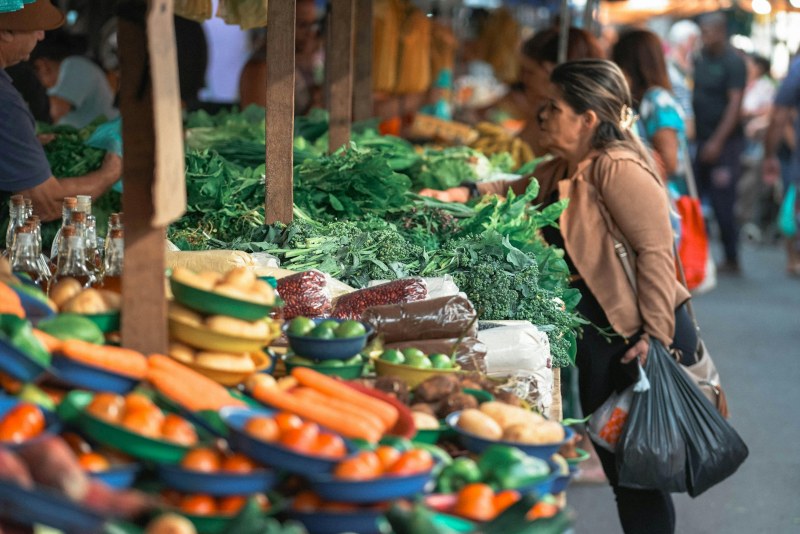
I still remember my first visit to Oaxaca’s Mercado Benito Juárez. I walked in nervous, clutching my wallet, ready to bargain for souvenirs. But then a woman selling mole—a rich thick mole—offered me a tiny sample. Using Google Translate, I asked about her recipe.. She told me it tookbeen in her family for three generations, made with >20 spices. Bytransaction turned into a 15-minute chat, and I left with not just a jar of mole but a story. That day, I realized markets aren’t just places to shop—they’re portals to local culture.
What Is Cultural Immersion Through Local Markets?
Cultural immersion means more than just seeing a place—it’s about engaging with its people, traditions, and daily life. Local markets are perfect for this: they’re where locals buy food, socialize, and sell their crafts. Every stall tells a story, from the farmer who grew the corn to the weaver who wove the blanket.
6 Myths About Local Markets Debunked
- Myth 1: You have to bargain aggressively. Bargaining is often a friendly conversation, not a battle. In many places, vendors appreciate a lighthearted back-and-forth—just don’t lowball them.
- Myth 2: Markets are only for cheap souvenirs. While you can find affordable items, markets are also where you’ll find unique, handcrafted pieces that support local artisans.
- Myth 3: You need to speak the local language. Gestures, smiles, and simple phrases (like “thank you” or “how much?”) go a long way. Many vendors also know basic English or use translation apps.
- Myth 4: All markets are the same. A farmer’s market in Thailand is worlds apart from a flea market in Morocco. Each has its own vibe, products, and customs.
- Myth 5: Street food in markets is unsafe. Look for stalls with long lines—locals know the best (and safest) spots. Avoid raw or undercooked food, and you’ll be fine.
- Myth 6: Markets are only for tourists. Most markets are daily hubs for locals. If you go early, you’ll see people buying groceries, chatting with friends, and going about their day.
Market Types & Immersion Potential
Not all markets offer the same level of cultural immersion. Here’s a quick comparison:
| Market Type | Immersion Level (1-5) | Key Activity | Community Benefit |
|---|---|---|---|
| Farmer’s Market | 5 | Chat with growers about their crops | Supports local agriculture |
| Artisanal Market | 4 | Watch weavers or potters at work | Preserves traditional crafts |
| Street Food Market | 5 | Taste home-cooked local dishes | Boosts small food vendors |
| Flea Market | 3 | Hunt for vintage items or antiques | Connects to local history |
| Night Market | 4 | Experience evening culture (music, food) | Supports night-time economy |
Practical Hacks to Maximize Immersion
- 🌅 Go early: Markets are less crowded in the morning, and vendors are more relaxed.
- 💵 Bring cash: Many stalls don’t accept cards, especially in smaller towns.
- 🤔 Ask questions: Vendors love sharing their stories—ask about the origin of a product or how it’s made.
- 🍴 Try local snacks: Even if you don’t know what it is, a small bite can lead to a great conversation.
- 👥 Follow locals: If you see a group of locals heading to a stall, follow them—they know the best spots.
- 🙏 Respect customs: Don’t touch produce without asking, and dress appropriately (e.g., cover your shoulders in conservative areas).
Community Impact of Market Visits
When you shop at local markets, you’re not just buying a product—you’re supporting the local economy. Artisans get fair prices for their work, farmers earn a living from their crops, and small vendors can feed their families. In many places, markets are the backbone of the community.
“The world is a book and those who do not travel read only one page.” — St. Augustine
This quote rings true for market visits. Each stall, each conversation, is a page in the book of the place you’re visiting. It’s not just about seeing— it’s about understanding.
FAQ: Common Questions About Market Immersion
Q: I’m shy—how can I start a conversation with a vendor?
A: Start with a smile and a simple question like “Where is this from?” or “How do you make this?” Most vendors are happy to share their stories, even if you don’t buy anything. You can also use a translation app to break the ice.
Q: What if I don’t want to buy anything?
A: That’s okay! Many vendors are happy to chat even if you don’t make a purchase. Just be polite and thank them for their time.
Final Thoughts
Local markets are more than just places to shop—they’re windows into the soul of a place. Next time you travel, skip the tourist traps and head to a market. You’ll leave with more than souvenirs—you’ll leave with memories that last a lifetime.