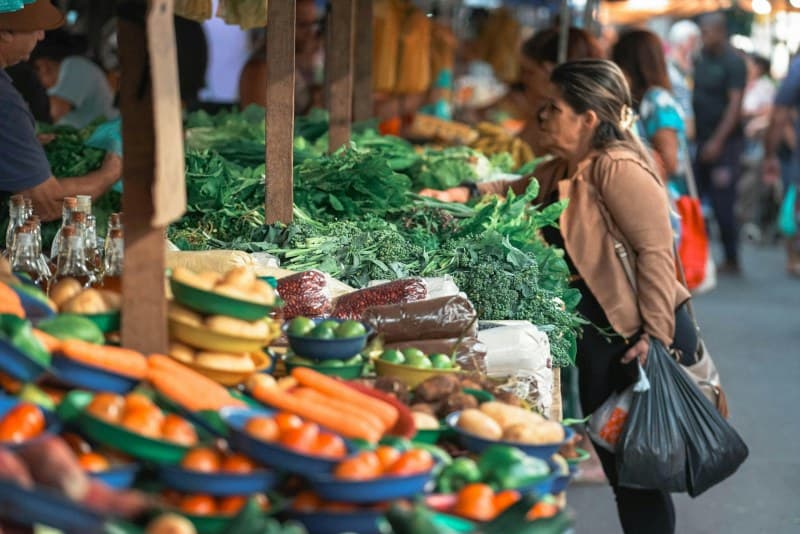
Last year, I wandered into Marrakech’s Jemaa el-Fnaa market at dusk, drawn by the scent of cumin and the sound of vendors calling out. I spotted a handwoven rug I loved and immediately started haggling—lowballing the price like I’d seen in a travel show. The vendor paused, smiled, and said, “My friend, you don’t start with that. Let’s talk like people, not enemies.” That moment taught me that local markets aren’t just about buying—they’re about connection.
Myths About Local Markets: Busted 🛍️
Before you dive in, let’s clear up some common misconceptions. Here’s a quick breakdown:
| Myth | Fact |
|---|---|
| You have to bargain for everything. | Bargaining rules vary—Japan’s markets rarely allow it, while Morocco’s expect it. |
| Local markets are unsafe for tourists. | Most are safe if you keep an eye on your belongings and respect local customs. |
| Vendors will scam you if you’re a tourist. | Most vendors value repeat customers and fair deals—rudeness is more likely to lead to issues. |
6 Key Tips to Navigate Local Markets Like a Local ✈️
- Arrive early: Morning markets are less crowded, and vendors are more relaxed (plus, fresh produce is at its best).
- Observe first: Watch how locals interact with vendors—do they greet first? How do they bargain?
- Carry small cash: Vendors often don’t have change for large bills, so keep coins and small notes handy.
- Ask permission before touching: Many items (like textiles or pottery) are delicate—ask “May I touch?” in the local language if possible.
- Smile and greet: A simple “hello” (in the local tongue) goes a long way—vendors are more likely to give you a fair price if you’re friendly.
- Know when to walk away: If the price isn’t right, thank the vendor and leave—they might call you back with a better offer.
Cultural Etiquette to Keep in Mind
Markets are deeply tied to local culture, so follow these unwritten rules:
- In Muslim-majority regions, avoid haggling over food during Ramadan—vendors are fasting and may be less patient.
- In Southeast Asian markets, don’t interact with your left hand—it’s considered unclean.
- In Latin America, it’s common to chat with vendors before buying—ask about their day or the product’s origin.
“The world is a book, and those who do not travel read only one page.” – St. Augustine
This quote rings true for markets—each one is a chapter filled with stories, flavors, and traditions you won’t find in guidebooks. When you take the time to connect with vendors, you’re not just buying a souvenir; you’re taking home a piece of their world.
Quick Q&A: Your Market Questions Answered
Q: Do I have to bargain in every local market?
A: No. For example, in France’s outdoor markets (marchés), prices are usually fixed. In Thailand’s night markets, bargaining is expected but keep it light and friendly. When in doubt, observe locals or ask a trusted local for advice.
Next time you visit a local market, remember: it’s not about getting the lowest price—it’s about the experience. Whether you’re sampling street food in Mexico City or picking up spices in India, take a moment to slow down, listen, and connect. You’ll leave with more than just a bag of goodies—you’ll have stories to tell.