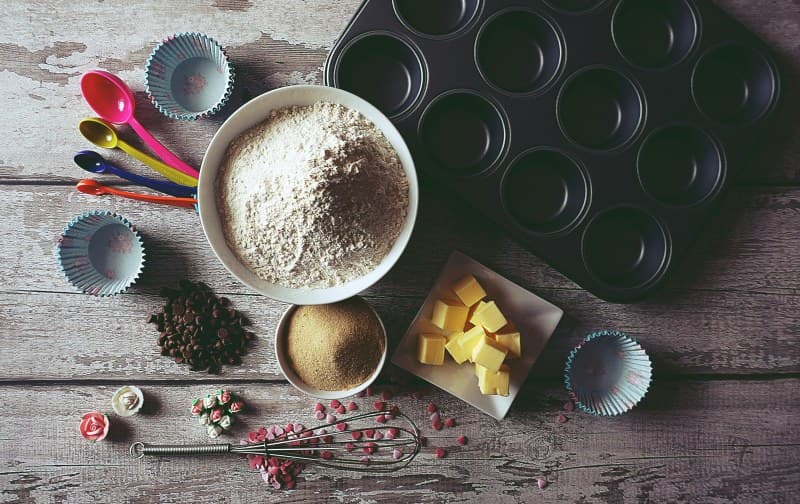
Last weekend, I tried to bake chocolate chip cookies for my niece’s birthday. I eyeballed the flour instead of measuring it, and the result? Flat, greasy disks that tasted more like candy than cookies. Sound familiar? Baking is a science—even small measurement missteps can turn your dream treats into disasters. Let’s break down the 5 most common measurement errors and how to fix them.
The 5 Key Measurement Mistakes That Ruin Baking
1. Eyeballing Ingredients (Instead of Measuring)
Baking relies on precise chemical reactions. Eyeballing a tablespoon of sugar or a cup of flour throws off the balance of wet and dry ingredients, leading to everything from sunken cakes to crumbly cookies. For example, adding just 1 extra tablespoon of flour can make your cookies dry and tough.
Fix: Always use measuring cups, spoons, or a kitchen scale. Even if you’re in a hurry, taking 10 seconds to measure will save you from disappointment.
2. Packing Brown Sugar Incorrectly
Brown sugar’s moisture content is crucial for soft, chewy treats. If you don’t pack it tightly into the measuring cup, you’ll end up with less sugar than the recipe calls for—resulting in less sweetness and a drier texture.
Fix: Press brown sugar into the measuring cup with the back of a spoon until it holds its shape when you turn it out. No more loose, crumbly sugar!
3. Using the Wrong Measuring Cup for Dry vs. Wet
Dry measuring cups (like the ones with flat tops) are designed for solids like flour and sugar. Wet measuring cups (with spouts) are for liquids like milk or oil. Using a wet cup for dry ingredients can lead to over-measurement because the cup’s shape makes it hard to level off.
Fix: Keep two sets of cups handy—one for dry, one for wet. It’s a small investment that makes a big difference.
4. Scooping Flour Directly from the Bag
Scooping flour from the bag compacts it, so you end up with more flour than the recipe intends. This is one of the most common reasons for dense bread or tough cookies.
Fix: Spoon flour into the measuring cup, then level it off with a knife. This ensures you get the exact amount the recipe calls for.
5. Ignoring Room Temperature Ingredients
Room temperature butter and eggs mix more evenly with other ingredients, creating a light, fluffy texture. Cold ingredients can cause lumps or prevent your batter from rising properly.
Fix: Let butter sit out for 30 minutes (until it’s soft but not melted) and eggs for 15 minutes before using. If you’re in a rush, microwave butter in 5-second bursts or submerge eggs in warm water.
Which Measurement Method Should You Use?
Not sure whether to use volume, weight, or scoop measurements? Here’s a quick comparison:
| Method | Best For | Pros | Cons |
|---|---|---|---|
| Volume (Cups/Spoons) | Dry/wet ingredients (beginner-friendly) | Easy to find tools, familiar to most bakers | Less precise, varies by packing |
| Weight (Scale) | All ingredients (professional bakers prefer) | Most precise, consistent results every time | Requires a scale, small learning curve |
| Scoop (Bulk Dry) | Flour/sugar in large batches | Fast and convenient | Can compact ingredients, less precise |
Wisdom from the Pros
“Measure twice, cut once.” — Traditional Proverb
This old woodworking adage applies perfectly to baking. Taking an extra minute to double-check your measurements can save you from a batch of ruined brownies or a sunken cake. I learned this the hard way when I baked a wedding cake for my sister—one wrong measurement of baking powder led to a lopsided layer, but doubling my checks after that saved the day.
FAQ: Do I Really Need a Kitchen Scale?
Q: Is a kitchen scale necessary for baking, or can I get by with measuring cups?
A: While you can bake without a scale, it’s the most accurate way to measure ingredients. For example, 1 cup of flour can vary from 120g to 150g depending on how you scoop it. A scale eliminates that variation, so your treats turn out the same every time. If you’re serious about baking, investing in a scale is worth it.
Baking doesn’t have to be intimidating. By avoiding these 5 measurement mistakes, you’ll be on your way to perfect cookies, cakes, and breads. Remember: precision is key, but don’t be afraid to experiment once you’ve got the basics down. Happy baking!