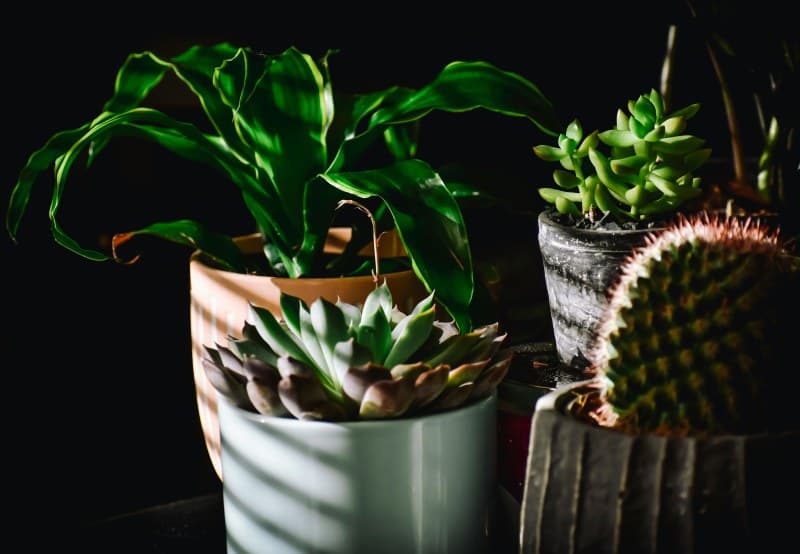
Last month, my friend Mia bought three snake plants for her apartment, convinced they’d “suck up all the bad air” from her new particleboard furniture. A week later, she stumbled on an article claiming houseplants don’t actually purify indoor air—and felt like she’d wasted her money. Sound familiar? The debate over houseplants and air quality has swirled for decades, with myths clouding what these green friends can (and can’t) do.
The Truth About Houseplants and Air Purification
The idea that houseplants clean air started with a 1989 NASA study. Researchers tested 12 plant species in sealed, small chambers and found they removed volatile organic compounds (VOCs) like formaldehyde and benzene—common pollutants from furniture, paint, and cleaning products. But here’s the catch: real homes aren’t sealed chambers. In a typical living space, plants’ air-purifying effect is subtle, not a magic fix. They don’t eliminate all pollutants, but they do contribute to a healthier environment when paired with good ventilation.
Debunking 2 Key Houseplant Air Purification Myths
Myth 1: Houseplants eliminate all indoor air pollutants
Plants target specific VOCs, but they don’t filter dust, pollen, mold spores, or pet dander. For those, you still need air filters or regular cleaning. Think of plants as a sidekick, not a hero, in your air-quality toolkit.
Myth 2: One plant per room is enough for clean air
NASA’s study recommended 1 plant per 100 square feet to see noticeable VOC reduction in a sealed chamber. In real homes—with open windows, doors, and constant air flow—you’d need 5 to 6 plants per 100 square feet to get a similar effect. A single snake plant in your bedroom won’t magically purify the air, but a cluster of plants in high-pollutant areas (like near new furniture) can help.
Air-Purifying Plants: A Quick Comparison
Not all plants are equal when it comes to cleaning air. Here’s how four popular species stack up:
| Plant Name | Key VOCs Removed | Light Requirements | Maintenance Level |
|---|---|---|---|
| Snake Plant | Formaldehyde, benzene | Low to bright indirect | Low (water every 2-3 weeks) |
| Spider Plant | Carbon monoxide, xylene | Bright indirect | Medium (water when soil is dry) |
| Peace Lily | Formaldehyde, trichloroethylene | Low to medium indirect | Medium (water when leaves droop) |
| Boston Fern | Formaldehyde, xylene | Bright indirect, high humidity | High (water regularly, mist leaves) |
“Adopt the pace of nature: her secret is patience.” — Lao Tzu
This quote perfectly sums up houseplants’ role in air purification. They don’t work overnight, but over time, they slowly remove VOCs and add a touch of nature to your space. Plus, studies show plants reduce stress and boost mood—benefits that go beyond air quality.
FAQ: Common Question About Houseplants and Air Quality
Q: Can houseplants replace an air purifier?
A: No. Air purifiers are designed to filter a wide range of pollutants (dust, pollen, VOCs) quickly and efficiently. Houseplants are a complementary addition—they add humidity, reduce stress, and remove some VOCs, but they can’t match the performance of a quality air purifier. For best results, use both.
Practical Tips to Maximize Plant Benefits
- 🌿 Choose plants from the air-purifying list above for the biggest impact.
- 💡 Place plants near high-pollutant sources (like new furniture or paint).
- 🧹 Dust plant leaves regularly—dust blocks their ability to absorb VOCs.
- 💨 Pair plants with good ventilation (open windows or use a fan) to circulate air.
So, are houseplants a silver bullet for clean air? No. But they’re a low-cost, aesthetically pleasing way to improve your indoor environment. Mia kept her snake plants—and now she knows to pair them with a small air purifier and open windows. Her apartment smells fresher, and she gets the added joy of caring for her green friends.