Imagine lacing up for your first half-marathon. You’ve trained for months, but the night before, you chow down on a giant bowl of pasta—only to wake up bloated and sluggish on race day. That’s what happened to Sarah, a recreational runner who thought carb loading was just about eating as much pasta as possible. She later learned there’s a science to it, and doing it right can make all the difference in avoiding the dreaded “wall.”
What Is Carb Loading, Anyway?
Carb loading is a nutrition strategy for endurance athletes (think marathoners, triathletes, or long-distance cyclists) to boost their glycogen stores. Glycogen is the body’s stored form of carbohydrates, and it’s the primary fuel source for muscles during prolonged exercise. When you run out of glycogen, you hit that sudden energy crash—aka the wall.
How Carb Loading Works
Normally, your muscles and liver store enough glycogen to power about 90 minutes of moderate-intensity exercise. For events longer than that, you need more fuel. Carb loading involves gradually increasing your carbohydrate intake (to 60-70% of your daily calories) over 3-4 days before the event. This gives your body time to stock up on glycogen, so you have extra energy to draw from when it matters most.
4 Common Carb Loading Myths (And The Truth)
Let’s set the record straight on some of the most persistent myths:
| Myth | Truth |
|---|---|
| Eat as much pasta as possible the night before. | Carb loading is a gradual process over 3-4 days, not a last-minute feast. A single big meal can cause bloating and discomfort. |
| It’s only for marathons. | Any endurance event over 90 minutes (like a 100km bike ride or an Olympic triathlon) benefits from carb loading. |
| All carbs are equal. | Stick to complex carbs (oats, brown rice, quinoa) instead of simple sugars (candy, soda). Complex carbs are digested slower and avoid blood sugar spikes. |
| Cut out protein and fat entirely. | Keep moderate amounts of protein and fat to maintain muscle mass and feel full. Just replace some of them with carbs. |
A Classic Take on Fueling
“Carb loading isn’t about gorging—it’s about strategic fueling. The best athletes know how to feed their bodies like a fine-tuned engine.” — Joe Friel, renowned endurance coach
This quote hits home because carb loading isn’t a free pass to overeat. It’s about being intentional with your food choices to support your performance.
Real-Life Success Story: Mike’s Marathon Win
Mike, a 35-year-old marathoner, struggled with hitting the wall at the 20-mile mark in his first race. For his second attempt, he followed a 4-day carb loading plan:
- Breakfast: Oatmeal with banana and honey
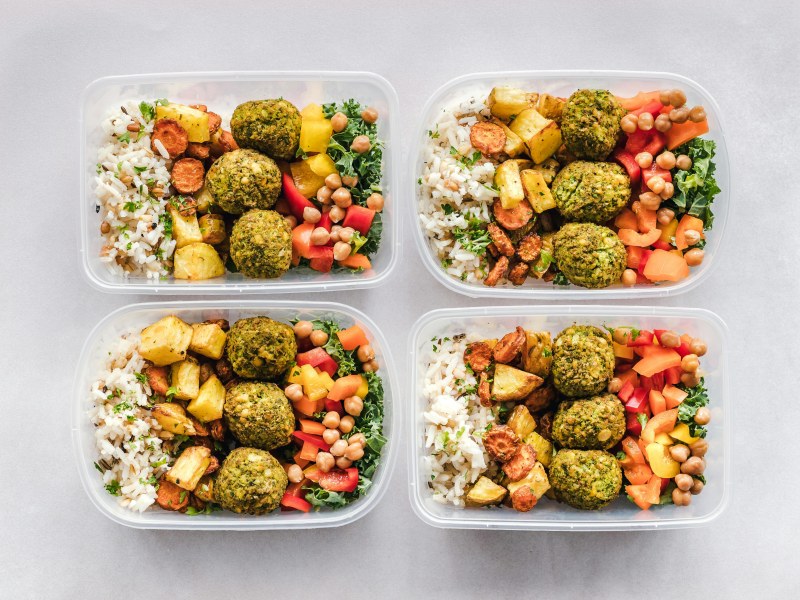
- Lunch: Brown rice bowl with chicken and veggies
- Dinner: Whole wheat pasta with tomato sauce
FAQ: Do I Need to Carb Load for Short Races?
Q: I’m running a 10K. Should I carb load?
A: Probably not. Carb loading is most effective for events lasting over 90 minutes. For shorter races (under an hour), your body has enough glycogen stored to get through. Save the carb loading for your next half-marathon or longer event.
Beginner Tips for Carb Loading
If you’re new to carb loading, here are four simple tips to get started:
- Start early: Begin 3-4 days before your event to give your body time to adjust.
- Stick to what you know: Don’t try new foods—you don’t want to deal with stomach issues on race day.
- Stay hydrated: Carbs hold water, so drink extra fluids to avoid dehydration.
- Listen to your body: If you feel bloated, cut back a little. Everyone’s body is different.
Carb loading doesn’t have to be complicated. With a little planning, you can fuel your body to perform its best and cross that finish line feeling strong.