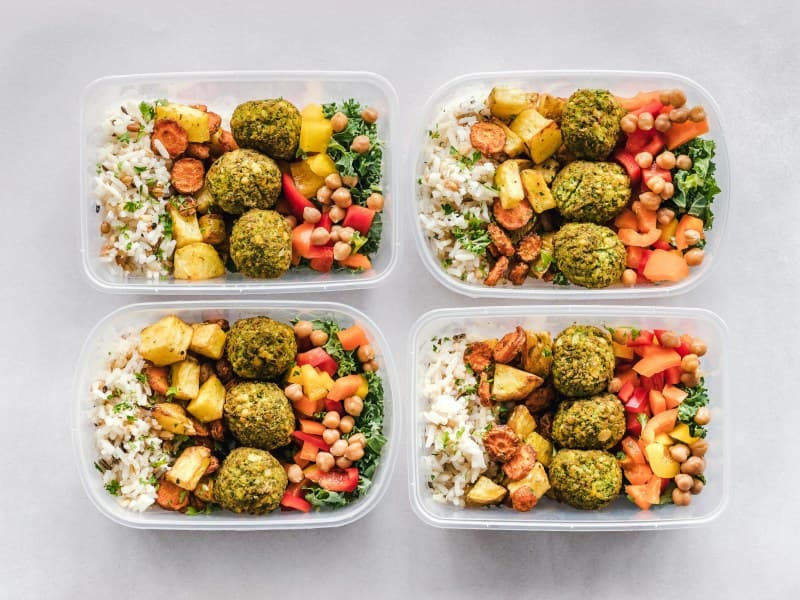
Have you ever finished a meal and felt a sudden burst of energy, only to crash an hour later? Sarah, a busy teacher, used to experience this every afternoon—until she realized her post-lunch slump wasn’t just tiredness: it was a blood sugar spike. Let’s break down why these spikes happen and how to manage them without strict diets.
What Are Post-Meal Blood Sugar Spikes?
When you eat, your body breaks down carbohydrates into glucose (sugar), which enters your bloodstream to fuel cells. A spike occurs when glucose rises too quickly, triggering your pancreas to release insulin to bring levels down. This rapid shift often leads to energy crashes, mood swings, or even cravings for more sugar.
4 Key Causes of Post-Meal Blood Sugar Spikes 🍎
Let’s look at the main culprits behind these spikes:
1. Refined Carbohydrate Overload
White bread, pastries, and sugary drinks are stripped of fiber and nutrients. They break down fast, flooding your blood with glucose in minutes.
2. Lack of Fiber or Protein
Fiber and protein slow down carb digestion. Without them, your body processes carbs too quickly, leading to spikes.
3. Eating Too Fast
Wolfing down meals doesn’t give your brain time to signal fullness. This often leads to overeating, which increases glucose levels.
4. High Glycemic Index (GI) Foods
Foods like white rice, potatoes, and candy have a high GI, meaning they raise blood sugar faster than low-GI options like oats or quinoa.
Here’s a quick comparison of these causes:
| Cause | Common Triggers | Impact on Blood Sugar |
|---|---|---|
| Refined Carbs Overload | White bread, soda, pastries | Rapid spike within 30-60 minutes |
| Lack of Fiber/Protein | Meals with no veggies or lean protein | Uncontrolled glucose rise |
| Eating Too Fast | Meals finished in 5-10 minutes | Overeating leads to higher glucose |
| High GI Foods | White rice, potatoes, candy | Sharp, quick glucose release |
“Let food be thy medicine and medicine be thy food.” — Hippocrates
This ancient wisdom rings true for blood sugar management. Small, intentional food choices can help keep your glucose levels steady without drastic changes.
Gentle Ways to Manage Spikes 💡
You don’t need to cut out carbs entirely. Try these simple swaps:
- Replace white bread with whole-grain options (adds fiber).
- Include a source of protein (chicken, beans, or Greek yogurt) in every meal.
- Eat slowly—aim for 20 minutes per meal to let your brain register fullness.
- Choose low-GI foods like quinoa, sweet potatoes, or berries.
Sarah tried these changes: she swapped her white bread sandwich for whole-grain with turkey and spinach, and replaced soda with water. Within a week, her afternoon slump was gone—she had steady energy to finish her lessons.
Common Question About Blood Sugar Spikes
Q: Are blood sugar spikes only a problem for people with diabetes?
A: No. Even non-diabetics can experience spikes. Over time, frequent spikes may increase the risk of insulin resistance (a precursor to type 2 diabetes) and affect long-term energy levels. Managing spikes is good for everyone’s health.