Ever stood in front of a gym membership desk, wondering if you really need all those machines to get strong? I did. A few years back, I couldn’t afford a gym, so I turned to bodyweight exercises. Fast forward 6 months: I could do 30 push-ups, hold a plank for 2 minutes, and my legs felt stronger than ever. Bodyweight training isn’t just for beginners—it’s a powerful way to build strength, flexibility, and endurance without any equipment. Let’s break down how it works, debunk some myths, and share hacks to get started.
How Bodyweight Strength Training Works
At its core, bodyweight training uses your own body as resistance. When you do a push-up or squat, your muscles work to counteract gravity, creating tension that leads to muscle growth (hypertrophy) and improved strength. The key to progress is progressive overload—gradually increasing the difficulty of exercises over time. For example, starting with knee push-ups then moving to full push-ups, or adding jump squats to your routine.
Bodyweight vs. Gym Equipment: A Quick Comparison
Wondering how bodyweight exercises stack up against gym machines? Here’s a side-by-side look at three common pairs:
| Bodyweight Exercise | Gym Alternative | Key Benefit of Bodyweight |
|---|---|---|
| Push-ups | Bench Press | Engages core and stabilizer muscles more effectively |
| Bodyweight Squats | Leg Press | Improves balance and functional strength for daily activities |
| Plank | Ab Machine | Targets the entire core (not just isolated muscle groups) |
7 Common Myths About Bodyweight Training (Debunked)
- Myth: You can’t build muscle with bodyweight. Truth: Advanced variations like one-arm push-ups or pistol squats create enough tension to stimulate muscle growth.
- Myth: It’s only for beginners. Truth: Pro athletes use bodyweight drills (e.g., handstand push-ups) to refine their strength and form.
- Myth: No equipment means no progress. Truth: Household items (chairs for dips, stairs for step-ups) can add difficulty to your routine.
- Myth: It doesn’t boost cardio health. Truth: Circuit training (30 sec push-ups → 30 sec squats → repeat) raises heart rate and improves endurance.
- Myth: Bodyweight exercises are easy. Truth: Proper form requires focus, and advanced moves like muscle-ups are extremely challenging.
- Myth: You can’t target specific muscles. Truth: Adjusting form (wide push-ups for chest, tricep dips for arms) lets you target different groups.
- Myth: It’s not good for weight loss. Truth: High-intensity bodyweight circuits burn calories and build muscle, which increases metabolism.
A Classic Quote to Keep You Motivated
“Strength does not come from physical capacity. It comes from an indomitable will.” — Mahatma Gandhi
This quote hits home for bodyweight training. You don’t need fancy gear—just the will to show up and push yourself. My friend Sarah is proof: she started with 2 knee push-ups and now does 50 full push-ups. Her progress wasn’t about equipment; it was about consistency and determination.
Beginner Hacks to Get Started
- 💡 Start small: Do 10 squats, 5 push-ups (knee if needed), and a 10-second plank daily. Gradually increase.
- 💡 Focus on form: Bad form leads to injury. Watch short tutorials or ask a friend to check your posture.
- 💡 Use progressive overload: Once you can do 15 reps of an exercise, make it harder (e.g., elevate feet for push-ups).
- 💡 Mix it up: Combine exercises into a circuit to keep it fun and challenge different muscles.
Q&A: Common Question About Bodyweight Training
Q: How do I track progress with bodyweight exercises?
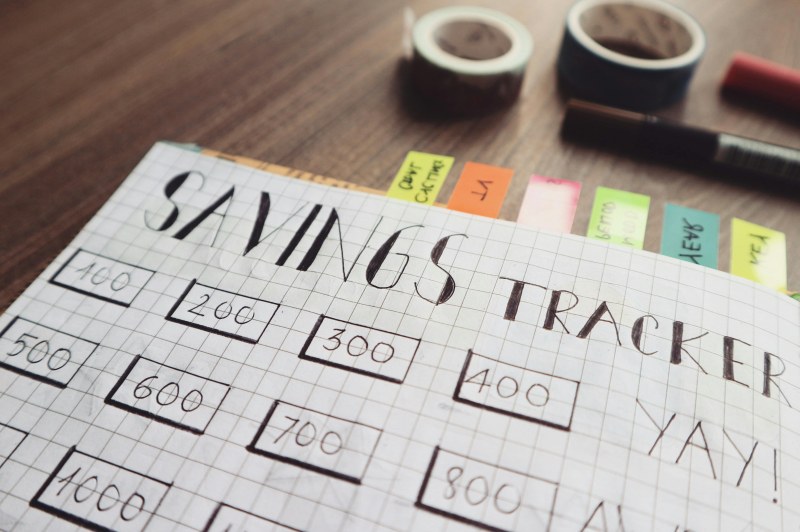
A: Keep a simple log! Note the number of reps, duration (for planks), and any variations you use. For example: “Day 1: 5 knee push-ups, 10 squats, 10s plank. Day 10: 12 full push-ups, 15 squats, 25s plank.” You can also take monthly progress photos or measure strength gains (like being able to do a pull-up).
Final Thoughts
Bodyweight training is accessible, effective, and flexible. Whether you’re a beginner or an advanced athlete, it can help you reach your fitness goals. Remember: progress takes time, but every rep counts. So grab a mat (or just use the floor) and get started—your body will thank you.