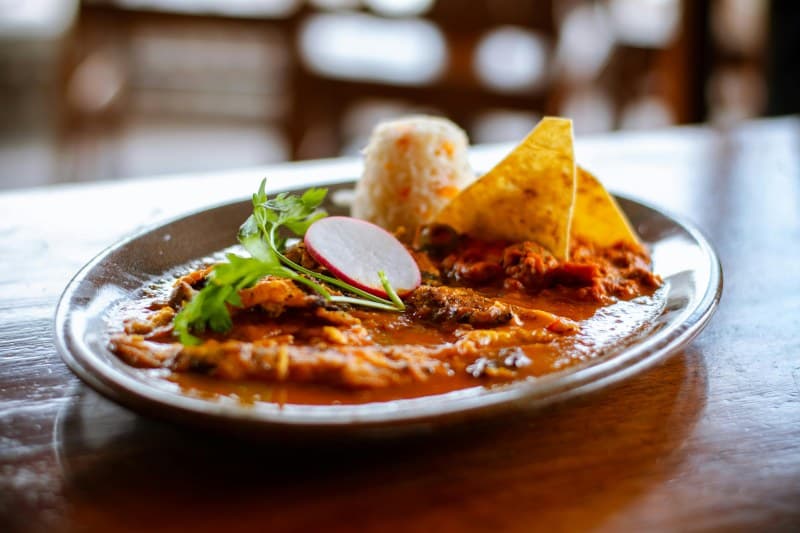
Last year in Mexico City, I wandered the Zócalo’s bustling streets, craving real tacos. Every stand blared “authentic” in neon, but the al pastor I tried tasted like pre-packaged meat slathered in generic sauce. Then a street vendor nodded toward an alley: no signs, just a line of locals huddled around a grill. The tacos there? Juicy, marinated pork, fresh cilantro, and a squeeze of lime—so good I went back twice. That’s the gap between tourist food and the real deal.
4 Myths About Local Food in Tourist Hotspots 🍜
Let’s bust the lies that keep travelers from savoring authentic flavors:
- Myth 1: “Authentic” signs mean real food. Tourists hunt for this word, so vendors slap it on everything—even if their menu includes pizza and burgers to please crowds.
- Myth 2: Street food is unsafe in tourist zones. Not always. Look for stalls with fresh, covered ingredients and a steady stream of locals (busy spots mean food turns over fast).
- Myth 3: You need fluent local language to order. Most vendors understand basic phrases like “one please” or have picture menus. In Thailand, I pointed at a photo of pad thai and got exactly what I wanted.
- Myth 4: Local food is expensive. Hole-in-the-wall spots often charge half the price of tourist traps. In Rome, a tiny trattoria near the Colosseum served carbonara for €5—way cheaper than the €15 versions nearby.
Tourist Trap vs. Authentic Spot: Spot the Difference
Use this table to separate the fakes from the real gems:
| Feature | Tourist Trap | Authentic Spot |
|---|---|---|
| Signage | Loud “best in town” claims, multilingual menus | No flashy signs, local language only (minimal English) |
| Crowd | Mostly tourists, few locals | Line of locals, even off-peak |
| Menu | Wide variety (pizza, burgers + local dishes) | Small, focused (1-5 local specialties) |
| Price | Higher than average (tourist markup) | Affordable, matches local rates |
Budget Hacks for Authentic Eats ✨
You don’t need to splurge to get great food:
- Follow the locals: If a stall has a line of residents, join it—they know the best spots.
- Eat the daily special: It’s usually fresher and cheaper (in Vietnam, the daily pho was half the price of the regular menu).
- Walk 10 minutes away: Main attractions have inflated prices—step off the beaten path for better deals.
- Skip the fancy drinks: Order tap water (if safe) or local soda instead of imported beverages.
FAQ: Is Street Food in Tourist Areas Always Unsafe?
Q: I’m scared of getting sick from street food in busy tourist spots. Should I avoid it?
A: Not at all. Look for stalls where ingredients are kept covered, the vendor uses gloves (or washes hands often), and food is cooked to order. In my Mexico City alley spot, the vendor didn’t wear gloves, but the line was long and the meat was grilled fresh—no stomach issues afterward. Trust your gut (and the locals).
“The best way to know a culture is through its food.” — Julia Child
This quote hits home because food isn’t just fuel—it’s a story. When you eat at an authentic spot, you’re not just tasting a dish; you’re experiencing a local’s daily routine, their family recipes, and their love for their culture. So next time you’re in a tourist hotspot, skip the neon signs and follow the locals. Your taste buds will thank you.