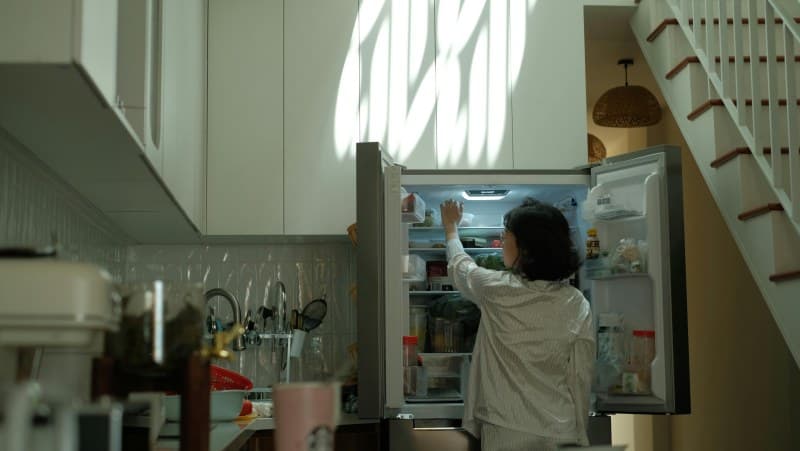
Last week, I pulled a bag of spinach from the back of my fridge only to find it slimy and moldy. That $5 bag went straight to the trash—all because I’d forgotten it was there. Most food waste isn’t from carelessness; it’s from disorganized fridges. Let’s fix that.
4 Common Fridge Myths Debunked
We’ve all heard these, but do they hold up?
- Myth 1: All veggies belong in the crisper. Nope! Tomatoes, potatoes, and onions prefer room temperature—storing them in the fridge makes them mushy or flavorless.
- Myth 2: Milk goes in the fridge door. The door is the warmest spot (temp fluctuates every time you open it). Keep milk on a middle shelf for consistent coolness.
- Myth3: Leftovers last a week. Most cooked foods are safe for 3-4 days. After that, bacteria start to grow—better to freeze them if you can’t eat them quickly.
- Myth4: You don’t need to clean the fridge often. Spills and crumbs breed bacteria. A quick wipe-down every month (or when spills happen) keeps your fridge fresh and safe.
4 Practical Hacks to Organize & Keep Food Fresh
These small changes make a big difference:
- Hack1: Use clear containers. Label them with dates so you can see what’s inside at a glance. I once found a container of soup I’d forgotten about—never again!
- Hack2: First-in, first-out (FIFO). When you buy new groceries, put them behind the old ones. This way, you’ll use the older items first and avoid waste.
- Hack3: Adjust crisper settings. Most crispers have a humidity dial: high for leafy greens (keeps them moist) and low for fruits (prevents mold).
- Hack4: Use shelf liners. They catch spills and are easy to wipe clean. I use silicone liners—they’re reusable and durable.
Best Storage Spots for Common Foods
Not sure where to put your groceries? This table breaks it down:
| Food Type | Best Storage Spot | Shelf Life Extension | Pros & Cons |
|---|---|---|---|
| Leafy Greens | High-humidity crisper | Wrap in paper towel before storing (absorbs moisture) | Pros: Keeps greens fresh for 5-7 days. Cons: Needs regular check for wilted leaves. |
| Dairy (Milk/Yogurt) | Middle shelf | Keep in original container (seals in freshness) | Pros: Consistent temp preserves flavor. Cons: Takes up shelf space. |
| Leftovers | Upper shelves (coolest spot) | Store in airtight containers | Pros: Prevents cross-contamination. Cons: Needs to be eaten within 3-4 days. |
Wise Words on Waste
“Waste not, want not.” — English Proverb
This old saying rings true today. By organizing your fridge, you’re not just saving money—you’re reducing the amount of food that ends up in landfills. Every little bit helps.
FAQ: Common Fridge Questions
Q: Can I store bread in the fridge?
A: It’s not ideal. Bread dries out faster in the fridge. Store it at room temp in a paper bag, or freeze it for up to 3 months (slice first for easy use).
Q: Should I store eggs in the fridge door?
A: No. Like milk, the door’s temp fluctuates. Keep eggs in their original carton on a middle shelf—they’ll stay fresh longer.
Organizing your fridge doesn’t have to be complicated. Start with one small change (like using clear containers) and build from there. Your wallet (and the planet) will thank you!