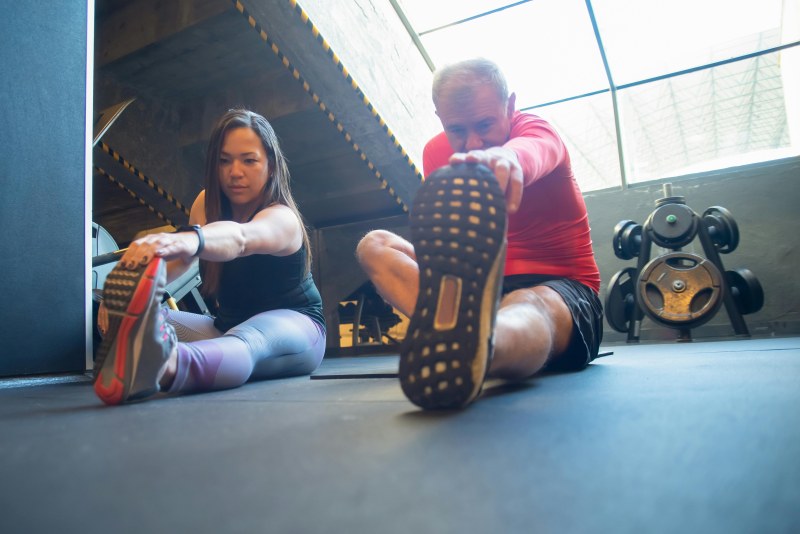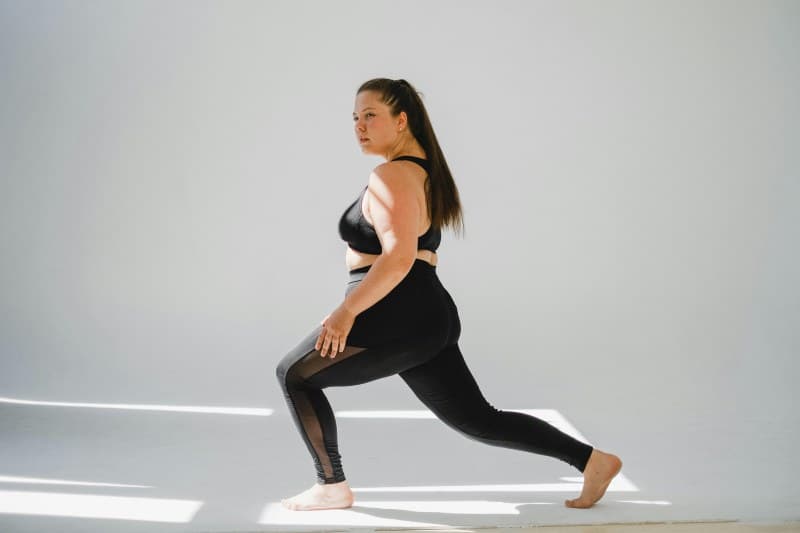
Last month, my friend Lila—an avid casual marathon trainee—texted me in frustration. She’d spent two full days resting after a 10-mile run, but her legs still felt heavy and stiff. “Should I keep lying on the couch or go for a walk?” she asked. If you’ve ever struggled with post-workout recovery choices, you’re not alone. Understanding the two main types of recovery—active and passive—can help you bounce back faster and perform better.
What Are Active and Passive Recovery? 💪
Recovery isn’t just about resting—it’s about helping your body repair and rebuild. There are two core approaches:
- Active recovery: Low-intensity movement that boosts blood flow without tiring your muscles. Think gentle yoga, slow walking, or a light swim.
- Passive recovery: No intentional movement—focused on letting your body rest and heal. Examples include sleep, foam rolling, or lying down with ice packs.
Here’s a quick comparison to help you choose:
| Type | Definition | Examples | Best For | Pros | Cons |
|---|---|---|---|---|---|
| Active Recovery | Low-intensity movement to boost blood flow | Yoga, walking, swimming, slow cycling | Post-high-intensity workouts (HIIT, long runs) | Reduces muscle soreness, improves flexibility, maintains energy | Can lead to overtraining if intensity is too high |
| Passive Recovery | No intentional movement; rest-focused | Sleep, foam rolling, ice therapy, meditation | Post-injury, extreme fatigue, muscle repair | Allows full rest, reduces inflammation | May cause stiffness if overdone |
Common Recovery Myths Debunked 🚫
Myth 1: Passive recovery is the only way to heal
Not true! Active recovery increases blood flow, delivering oxygen and nutrients to sore muscles. A 2019 study found it reduced delayed muscle soreness (DOMS) more effectively than passive rest for runners.
Myth 2: Active recovery is just another workout
Active recovery is low-effort. If you’re sweating or tired, you’re doing it wrong. The goal is to move without adding stress.
Practical Tips to Choose the Right Recovery 📝
- After hard workouts (HIIT, sprints): Try 15-minute walk or gentle yoga to loosen muscles.
- Post-injury: Stick to passive recovery—rest, ice, or foam roll the affected area.
- Rest days: Mix both—10 mins stretching (active) + 20 mins meditation (passive) to recharge.
“Rest is not idleness, and to lie sometimes on the grass under trees on a summer's day, listening to the murmur of the water, or watching the clouds float across the sky, is by no means a waste of time.” — John Lubbock
This quote captures the balance between active and passive recovery. Rest doesn’t mean doing nothing—gentle movement can be as restorative as lying down.
FAQ: Your Recovery Questions Answered ❓
Q: Can I do active recovery every day?
A: Yes! As long as it’s low-intensity and doesn’t replace sleep. A daily 10-minute walk is great—just ensure 7-8 hours of sleep nightly.
Q: Is foam rolling active or passive recovery?
A: Passive. It releases tight muscles without intentional movement, perfect for post-workout care.
By understanding these two recovery types, you can tailor your routine to your body’s needs. Whether you’re a casual runner like Lila or a gym enthusiast, the right plan will keep you healthy and performing your best.