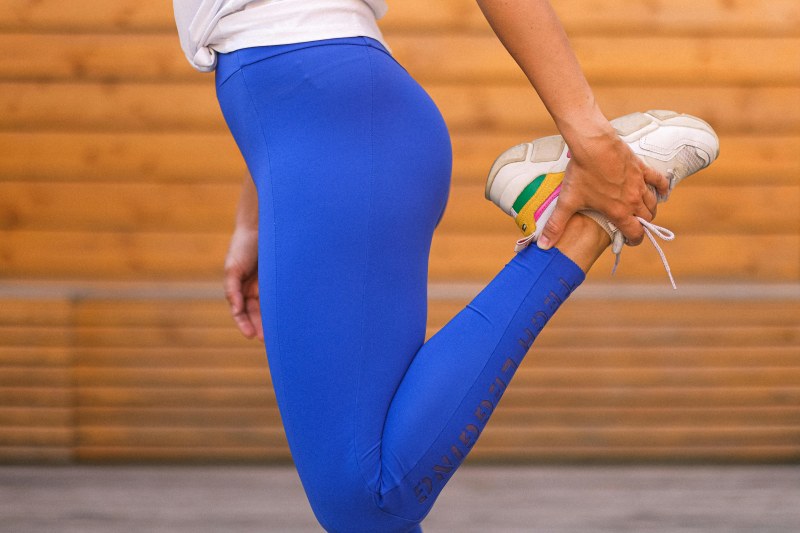
You just finished a tough workout—legs burning, lungs heaving. Do you collapse on the couch and nap, or l lace up your shoes for a slow walk? The answer depends on which type of recovery fits your body and your workout: active or passive.
What Are Active & Passive Recovery? 🏃♂️💤
Recovery is the unsung hero of any fitness routine. It’s when your body repairs muscles, replenishes energy, and gets ready for your next session. Let’s break down the two main types:
Active Recovery
Active recovery means doing low-intensity movement to keep blood flowing without straining your muscles. Think: a 15-minute walk after a run, gentle yoga stretches, or swimming laps at a relaxed pace. The goal is to help your body flush out lactic acid (the stuff that causes that burning feeling) and reduce soreness—without adding more stress.
Passive Recovery
Passive recovery is all about rest. No intentional movement here—just letting your body do its thing. Examples include napping, lying on the couch with your legs elevated, or getting a massage. It’s when your body focuses on repairing micro-tears in muscles and recharging your energy stores.
Pros & Cons: Active vs Passive Recovery
Which one should you choose? It depends on your workout and how your body feels. Here’s a quick comparison:
| Key Aspect | Active Recovery | Passive Recovery |
|---|---|---|
| Definition | Low-intensity movement post-workout | No intentional movement; rest |
| Examples | Slow walk, gentle yoga, easy cycling | Napping, massage, leg elevation |
| Best For | Post-cardio (runs, cycling) or light strength training | Post-heavy lifting, injury recovery, extreme fatigue |
| Pros | Boosts blood flow, reduces lactic acid, maintains mobility | Deep muscle repair, reduces mental fatigue |
| Cons | Risk of overtraining if intensity is too high | May cause stiffness if overdone post-workout |
When to Pick Each Type
Let’s say you just finished a 10k run. Active recovery—like a slow walk—will help your legs recover faster by moving blood through the muscles, preventing stiffness. But if you did a heavy leg day (squats, deadlifts) and your quads are screaming, passive recovery (a nap or massage) is better to let your muscles repair deeply.
Another example: If you’re training for a marathon, active recovery days (like swimming) can keep your endurance up without straining your running muscles. But if you have a minor injury (like a twisted ankle), passive recovery (resting the ankle) is non-negotiable to avoid making it worse.
Common Myths Debunked
Myth 1: Passive recovery is lazy.
Fact: Passive recovery is crucial for muscle growth. When you rest, your body repairs micro-tears in muscles, which makes them stronger. Skipping passive recovery can lead to overtraining and burnout.
Myth 2: Active recovery has to be long.
Fact: Even 10 minutes of gentle movement (like stretching or walking) can make a difference. You don’t need to spend an hour on it—short bursts work just fine.
At the end of the day, recovery is personal. Listen to your body: if you feel exhausted, rest. If you feel stiff but not tired, move a little. Both active and passive recovery have their place in a balanced fitness routine—so don’t be afraid to mix them up!