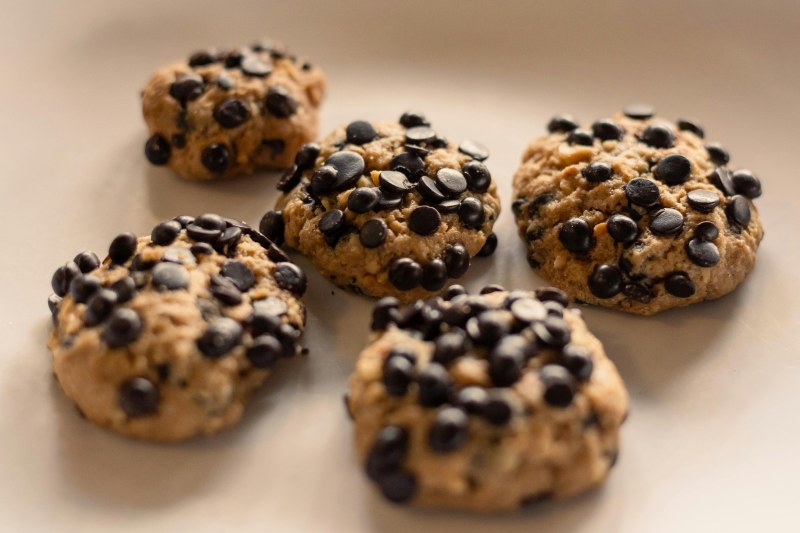
Last month, I forgot my best friend’s go-to coffee order (oat milk latte with extra foam) after 10 years of grabbing drinks together. Instead of brushing it off, I showed up the next day with her favorite snack—chocolate-covered pretzels—and a handwritten note saying I’d memorized her order again. She teared up, and it made me realize: small gestures often stick longer than big ones.
Why Small Gestures Matter More Than You Think
We often think grand gestures (like expensive gifts or fancy trips) are the way to show care, but it’s the tiny, intentional acts that build lasting bonds.
“The little things are infinitely the most important.” — Sir Arthur Conan DoyleThis quote hits home for friendships. It’s not about how much you spend; it’s about how much you notice.
7 Unexpected Gestures to Try (And Myths They Debunk)
1. Listen without solving 🎧
Myth: “Friends need solutions, not just ears.” Truth: Sometimes, they just want to be heard. Example: When my friend was stressed about her job, I sat with her and didn’t offer any advice. She later said it was the most helpful thing I could have done—she just needed to vent.
2. Send a random voice note 🎤
Myth: “Texting is enough.” Truth: Voice notes add warmth and personality. Example: My cousin sent me a 30-second voice note laughing about her cat knocking over a plant. It made my day way more than a text would have.
3. Remember a tiny detail 📝
Myth: “You only need to remember big events.” Truth: Remembering small things (like their hate for cilantro or love for 90s pop) shows you pay attention. Example: I always pick cilantro off my friend’s tacos without her asking—she still mentions how much it means.
4. Bring them something they mentioned once 🎁
Myth: “It’s too small to matter.” Truth: It shows you listen actively. Example: My neighbor mentioned she loved lavender candles; I brought her one from my trip to Provence. She still uses it every night.
5. Help with a mundane task 🧺
Myth: “Friends only help with big problems.” Truth: Helping fold laundry or pick up groceries shows you care about their daily life. Example: When my roommate was sick, I took her laundry to the dry cleaner. She said it made her recovery way easier.
6. Apologize sincerely for a small mistake 🙏
Myth: “Small mistakes don’t need apologies.” Truth: Apologizing for forgetting a plan or interrupting shows respect. Example: I interrupted my friend mid-story; later, I texted her to say I was sorry and asked her to finish the story. She appreciated the effort.
7. Share a silly memory 📸
Myth: “Old memories are irrelevant.” Truth: Revisiting good times strengthens the bond. Example: I sent my friend a photo of us from college wearing silly hats. We laughed for 10 minutes on the phone.
Comparing Gestures: Effort vs. Impact
Not sure which gesture to try first? Here’s a quick comparison:
| Gesture | Effort Level | Impact Level | Best Time to Use |
|---|---|---|---|
| Random voice note | Low | Medium | When you miss them or have a funny story |
| Remember tiny detail | Medium | High | When you’re together (e.g., ordering food) |
| Help with mundane task | Medium | High | When they’re busy or stressed |
| Sincere apology | Low | Medium | Right after the mistake |
| Share silly memory | Low | Medium | When they’re feeling down |
FAQ: Common Questions About Friendship Gestures
Q: Do I have to do these gestures every day to keep the friendship strong?
A: No! The key is consistency over frequency. Even one small gesture a month can make a big difference. It’s about being intentional, not overdoing it.
Friendship isn’t about grand gestures or perfect moments. It’s about the little things—listening when they need it, remembering their favorite snack, or sending a silly voice note. Try one of these gestures this week, and see how it makes your friend feel. You might be surprised at the impact.