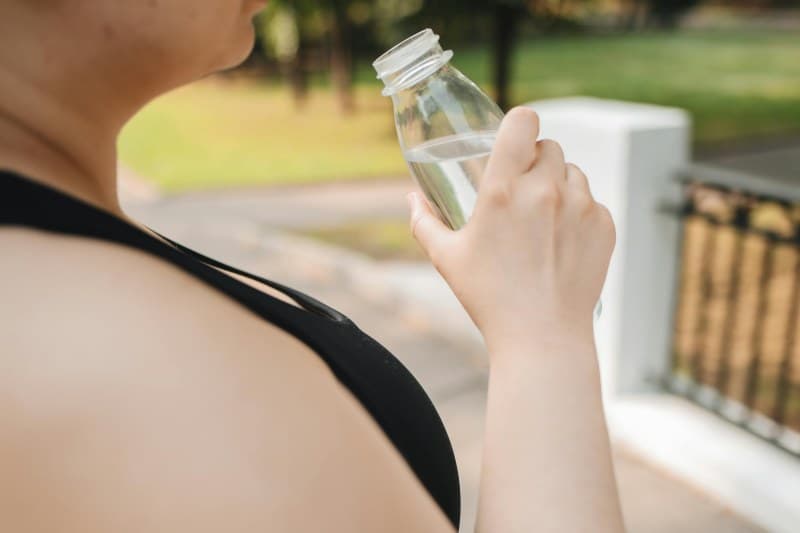
Last month, I joined a friend for a 5K run on a sunny Saturday. Halfway through, she slowed to a walk, clutching her side. “I forgot to drink water this morning,” she gasped. That’s a mistake many of us make—we know hydration matters, but do we really understand how it shapes our workouts?
How Hydration Fuels Your Workouts 💧
Water is more than just a thirst quencher. It regulates body temperature, transports nutrients to muscles, lubricates joints, and flushes out waste products like lactic acid. Even a small drop in hydration (1-2% of your body weight) can throw these functions off balance.
7 Key Impacts of Hydration on Performance
Let’s break down how staying hydrated (or not) affects your workout:
| Impact Area | Hydrated State | Dehydrated State (1-2% body weight loss) |
|---|---|---|
| Energy Levels | Steady, no mid-workout crashes | Quick fatigue, reduced stamina |
| Muscle Function | Smooth contractions, fewer cramps | Muscle weakness, increased cramping risk |
| Endurance | Able to maintain intensity longer | Early exhaustion, slower pace |
| Focus | Clear mind, better form | Clouded judgment, poor technique |
| Recovery | Faster muscle repair, less soreness | Delayed recovery, increased muscle pain |
| Thermoregulation | Body stays cool via sweating | Overheating, higher risk of heat exhaustion |
| Joint Comfort | Joints well-lubricated, no stiffness | Joint friction, discomfort during movement |
Common Myths About Exercise Hydration (Debunked)
Myth 1: Thirst is a reliable indicator of hydration
By the time you feel thirsty, you’re already 1-2% dehydrated. That’s enough to start seeing performance drops. Don’t wait for thirst—sip water throughout the day and during your workout.
Myth 2: Sports drinks are necessary for all workouts
Sports drinks (with electrolytes and sugar) are great for long, intense sessions (over 60 minutes) where you lose a lot of sweat. For short, low-intensity workouts (like a 30-minute walk), plain water is more than enough.
Practical Tips to Stay Hydrated
- Pre-workout: Drink 16-20 oz of water 2 hours before your session. If you’re short on time, 8-10 oz 15 minutes before works too.
- During: Sip 4-8 oz every 15-20 minutes. If it’s hot or you’re sweating heavily, add a pinch of salt to your water or use a sports drink.
- Post-workout: Weigh yourself before and after. For every pound lost, drink 16-24 oz of water to replace fluids.
“Water is the driving force of all nature.” — Leonardo da Vinci
This quote isn’t just about rivers or plants—it applies to our bodies too. Without enough water, even the simplest workout can feel like a mountain climb. Keeping your body hydrated helps it perform at its best, whether you’re running a 5K or lifting weights.
FAQ: Your Hydration Questions Answered
Q: Can I drink too much water during exercise?
A: Yes, overhydration (hyponatremia) is rare but serious. It happens when you drink more water than your body can excrete, diluting the sodium in your blood. Stick to the recommended amounts and listen to your body—if you’re not thirsty, you don’t need to force more water.
Next time you lace up your sneakers or grab your yoga mat, remember: hydration isn’t an afterthought. It’s a key part of your workout success. So grab that water bottle, and let’s get moving!