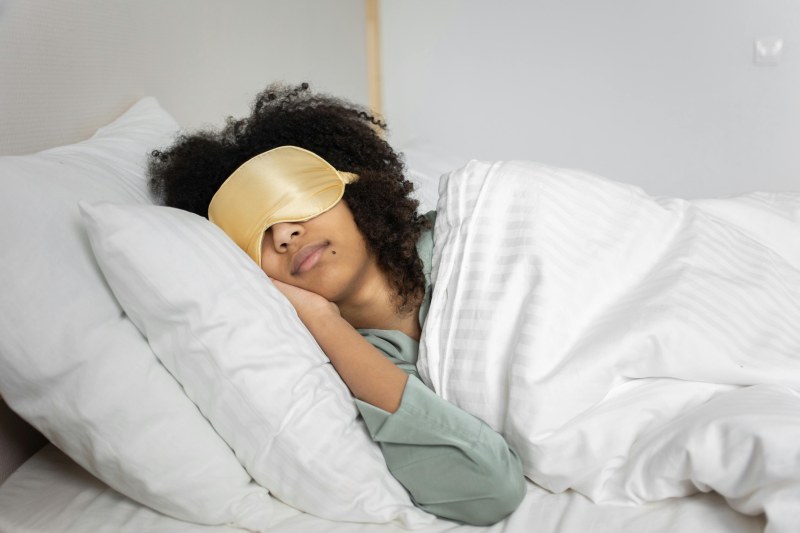
Let’s start with Sarah: She stays up till 1 AM finishing a work project, then panics because she only got 6 hours of sleep. She spends the weekend sleeping till 10 AM to 'catch up,' but still feels groggy. Sound familiar? Chances are, Sarah’s falling for one (or more) of the sleep myths that keep millions from getting quality rest.
The 7 Sleep Myths (And What Science Actually Says)
We’ve all heard these myths, but let’s separate fact from fiction:
- Myth 1: You must get 8 hours of sleep every night.
Truth: Sleep needs vary by person. Adults typically need 7-9 hours, but some thrive on 6, while others need 10. Your body knows best.
Fix: Track your sleep for a week to find your sweet spot (e.g., if you wake up refreshed after 7.5 hours, stick with that). - Myth 2: Catching up on weekends fixes sleep debt.
Truth: Irregular sleep schedules disrupt your circadian rhythm (your body’s internal clock). This can lead to mood swings and reduced focus.
Fix: Keep your sleep/wake times within 1 hour of each other, even on weekends. - Myth 3: Snoring is just a harmless annoyance.
Truth: Loud, persistent snoring can be a sign of sleep apnea (a condition where breathing pauses during sleep). It’s linked to high blood pressure and heart issues.
Fix: If snoring is accompanied by gasping or pauses, talk to a healthcare provider. - Myth 4: Alcohol helps you fall asleep faster.
Truth: While alcohol may make you drowsy, it suppresses REM sleep (the deep, restorative stage). You’ll likely wake up feeling unrested.
Fix: Avoid alcohol 3-4 hours before bed. - Myth 5: Counting sheep helps you fall asleep.
Truth: This old trick is boring but not effective. It doesn’t distract your mind from racing thoughts.
Fix: Try progressive muscle relaxation (tense and release each muscle group) or listen to white noise. - Myth 6: Waking up at night is abnormal.
Truth: Brief awakenings (1-2 minutes) are normal—we all have them. The problem is when you can’t fall back asleep.
Fix: If you’re awake for more than 20 minutes, get out of bed and do something calm (like reading a book) until you feel sleepy. - Myth 7: Napping during the day ruins nighttime sleep.
Truth: Short naps (20-30 minutes) can boost energy and focus. Long naps or naps after 3 PM may interfere with nighttime sleep.
Fix: Keep naps short and avoid napping late in the afternoon.
Myth vs. Truth: A Quick Comparison
Here’s a handy table to reference:
| Myth | Science-Backed Truth | Quick Fix |
|---|---|---|
| 8 hours is mandatory | 7-9 hours is average, but individual needs vary | Track sleep to find your ideal duration |
| Weekend sleep fixes debt | Irregular schedules disrupt circadian rhythm | Stick to consistent sleep/wake times |
| Snoring is harmless | Loud snoring may signal sleep apnea | Consult a doctor if snoring is severe |
| Alcohol aids sleep | Alcohol suppresses REM sleep | Avoid alcohol before bed |
| Counting sheep works | It doesn’t distract racing thoughts | Try progressive muscle relaxation |
| Nighttime awakenings are abnormal | Brief awakenings are normal | Get out of bed if awake >20 mins |
| Naps ruin nighttime sleep | Short naps are beneficial | Keep naps <30 mins and before 3 PM |
A Classic Take on Sleep
“Early to bed and early to rise, makes a man healthy, wealthy, and wise.” — Benjamin Franklin
Franklin’s quote has stood the test of time, but it’s not one-size-fits-all. The wisdom here is about consistency, not rigid timing. Night owls who thrive on staying up late and waking up later can still be healthy—if they stick to their schedule.
FAQ: A Common Sleep Question
Q: Is it okay to use my phone before bed if I turn on blue light filters?
A: Blue light filters help reduce eye strain, but the mental stimulation from scrolling social media or checking emails can still keep your brain active. For better sleep, put your phone away 30 minutes before bed and try reading a physical book or listening to soft music.
Final Thoughts: Small Steps for Better Sleep
You don’t need to overhaul your entire routine to get better sleep. Pick one myth to debunk this week—like keeping a consistent sleep schedule—and see how it affects your energy levels. Remember: Sleep is personal, so what works for one person may not work for you. Listen to your body, and you’ll be on your way to more restful nights.