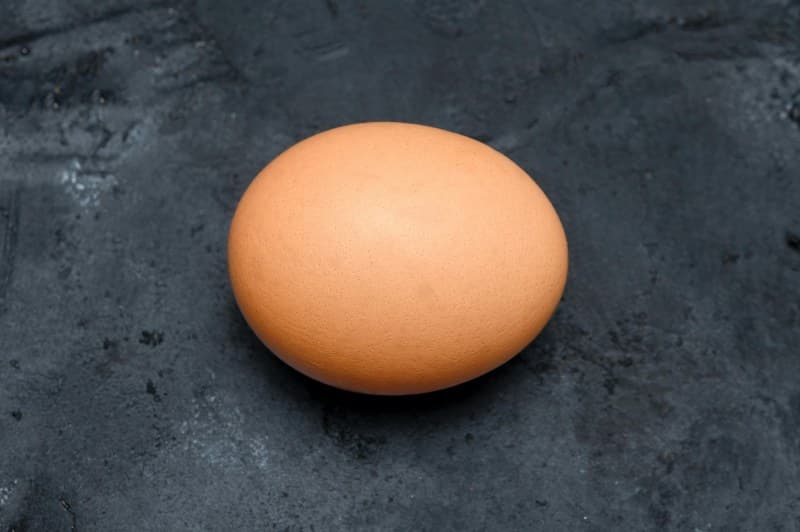
Last weekend, I tried to make a fancy omelet for brunch. I followed my grandma’s old rule—use cold eggs and high heat. The result? A rubbery, lumpy mess that stuck to the pan. Turns out, those "rules" were myths. Let’s break down 5 of the most common ones.
Why Do We Fall for Egg Cooking Myths?
Eggs are one of the most versatile ingredients, but we often cling to outdated advice passed down through generations. These myths can turn a simple dish into a disaster. Let’s separate fact from fiction.
5 Egg Cooking Myths (And What to Do Instead)
Here’s a quick comparison of each myth, the truth, and easy fixes:
| Myth | Truth | Easy Fix |
|---|---|---|
| Cold eggs cook better. | Room-temp eggs distribute heat evenly, leading to fluffier dishes. | Let eggs sit out 15-20 mins, or warm in warm water for 5 mins. |
| You must flip fried eggs once. | Flipping depends on desired doneness—sunny-side up needs no flip. | For runny yolk: Cover pan with lid to cook whites without flipping. |
| Hard-boiled eggs need constant boiling. | Boiling too long causes green rings and rubbery texture. | Boil 7 mins, then transfer to ice water immediately. |
| Scrambled eggs need high heat. | High heat leads to overcooked, dry eggs. | Cook on medium-low, stir gently, and remove before fully set. |
| Milk makes scrambled eggs fluffier. | Milk dilutes eggs, leading to watery results. | Use a splash of water or cream, or skip altogether for rich texture. |
A Classic Tip to Remember
"The only real stumbling block is fear of failure. In cooking, you've got to have a what-the-hell attitude." — Julia Child
Julia’s words ring true for egg cooking. Don’t be afraid to break the "rules"—try room-temp eggs or low heat. You might be surprised by the results.
Real-Life Example: Fixing Overboiled Eggs
My friend Sarah used to boil eggs for 10 mins every time. She hated the green ring around the yolk and rubbery texture. I told her to try the 7-minute method: boil water, add eggs, set timer for 7 mins, then plunge into ice water. Now she makes perfect hard-boiled eggs every time—no green rings, just creamy yolks.
FAQ: Common Egg Cooking Question
Q: Can I use eggs straight from the fridge for baking?
A: For most baking recipes, room-temp eggs are better because they mix more evenly with butter and sugar. If you’re in a hurry, submerge the eggs in warm (not hot) water for 5 minutes to bring them to room temp quickly.
Final Pro Tips for Perfect Eggs
- 🍳 For sunny-side up eggs: Use a non-stick pan, add a little butter, and cover with a lid to cook the whites without flipping.
- 🥚 For scrambled eggs: Stir slowly with a wooden spoon, and remove from heat when they’re still slightly runny—they’ll continue cooking from residual heat.
- 🔥 For hard-boiled eggs: Always use ice water to stop the cooking process—this also makes peeling easier.
Next time you cook eggs, forget the myths and try these tips. You’ll be making restaurant-worthy eggs in no time!