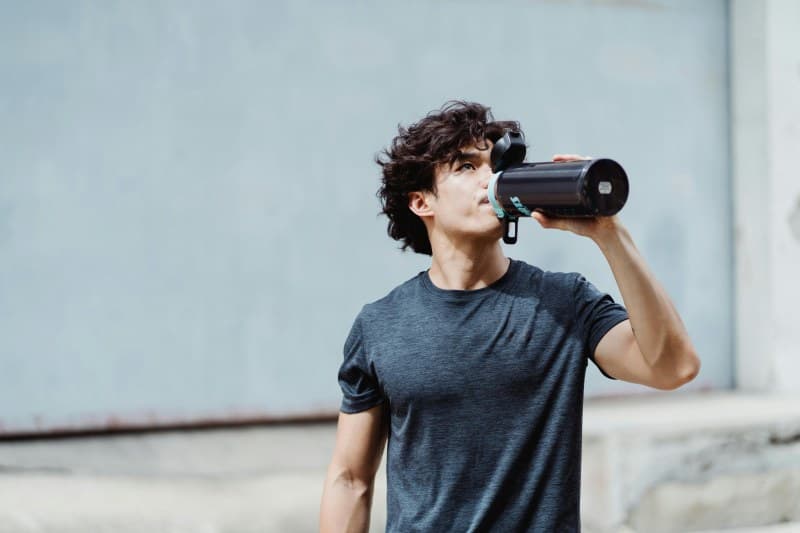
Let’s start with Sarah: she’s convinced she needs 8 glasses of water a day to stay healthy. Every morning, she fills a giant bottle and chugs it, even when she’s not thirsty. By midday, she’s running to the bathroom every 30 minutes and feeling bloated. Sound familiar? Many of us follow hydration rules we’ve heard for years—without knowing if they’re true.
7 Hydration Myths (And What Science Actually Says)
Let’s break down the most persistent myths and their real-world truths. Here’s a quick comparison:
| Myth | Truth |
|---|---|
| You need 8 glasses of water daily. | The 1945 study this came from included all fluids (coffee, tea, food). Most people get enough from drinks and hydrating foods. |
| Thirst means you’re already dehydrated. | Thirst is your body’s normal signal to drink—no need to panic. Mild thirst isn’t a sign of crisis. |
| Coffee/tea dehydrate you. | Caffeinated drinks have mild diuretic effects, but for regular drinkers, they contribute to hydration. |
| Clear urine = perfect hydration. | Pale yellow is ideal. Clear urine may mean you’re overhydrating. |
| Only water counts for hydration. | Fruits (watermelon, cucumber) and veggies (lettuce, celery) are 80-95% water. Milk and juice also count. |
| Dehydration only happens in hot weather. | You can get dehydrated in cold weather too—dry air and layered clothing make you sweat without noticing. |
| You can’t overhydrate. | Hyponatremia (diluted blood sodium) is rare but serious, especially in endurance athletes. |
Why These Myths Stick
Many myths come from outdated studies or oversimplified advice. The 8-glass rule, for example, was taken out of context—its original source included all fluids, not just plain water. We also tend to trust “common wisdom” without checking the latest research.
“Water is the best medicine.” — Hippocrates
Hippocrates was right about water’s importance, but modern myths have turned his simple truth into a rigid set of rules. The key is to listen to your body, not just follow numbers.
Practical Tips for Smart Hydration
- 💧 Drink when you’re thirsty—your body knows best.
- 🍉 Add hydrating foods to your diet: watermelon (92% water), cucumber (96% water), and oranges (87% water).
- ☕ Don’t skip coffee or tea—they’re part of your daily fluid intake (just go easy on sugar).
- 🌡️ Adjust for activity: If you’re exercising or in hot weather, drink more.
Common Q&A
Q: Can I drink too much water?
A: Yes. Hyponatremia occurs when you drink more water than your body can excrete, diluting sodium levels. It’s most common in long-distance runners, but it’s a reminder to balance intake with your needs.
Sarah adjusted her routine: she stopped forcing 8 glasses and started drinking when thirsty. She added watermelon to her afternoon snack and kept a smaller water bottle. Now, she feels more energized and less bloated—proof that ditching myths leads to better wellness.