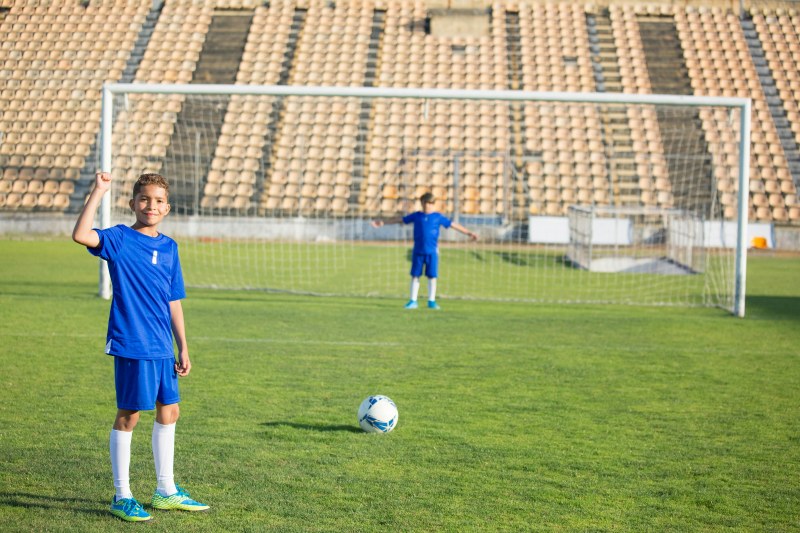
Last year, my friend Lila wanted to join a local soccer league but hesitated for months. She thought she was too slow, didn’t have the right gear, and that everyone else would be perfect. When she finally mustered up the courage to join, she realized none of those fears were true—most players were beginners too, and no one cared about her mistakes. Her story is common: myths often hold people back from trying sports they might love.
7 Myths That Hold Beginners Back (And What’s Actually True)
Let’s break down the most persistent myths and replace them with actionable fixes:
| Myth | Reality | Simple Fix |
|---|---|---|
| You have to be “naturally athletic” to play. | Most athletes build skills over months or years—few are born pros. | Start with low-pressure rec leagues or casual pick-up games. |
| Expensive gear is a must for beginners. | Basic, affordable gear works just fine for getting started. | Borrow gear from a friend or buy secondhand online. |
| You need to play perfectly to enjoy sports. | Mistakes are part of learning—even pros mess up! | Focus on having fun instead of winning or being perfect. |
| Only young people can start new sports. | Adults can learn any sport at any age (think: 50-year-olds taking up tennis). | Join adult rec leagues designed for beginners. |
| Daily training is required to see progress. | Consistency over frequency—2-3 sessions a week are enough. | Schedule short, regular practices instead of long, sporadic ones. |
| Team sports are the only way to get fit. | Individual sports like hiking, yoga, or swimming are just as effective. | Pick a sport you enjoy, whether it’s solo or with others. |
| If you’re not good quickly, you should quit. | Progress takes time—small wins add up over months. | Track tiny improvements (e.g., running an extra minute) to stay motivated. |
Why These Myths Stick (And How to Beat Them)
Many myths come from social media, where we see highlight reels of pro athletes, or from peer pressure to “be good” right away. But sports are about more than skill—they’re about community, fun, and staying active.
“It does not matter how slowly you go as long as you do not stop.” — Confucius
This quote rings true for beginners: every small step counts. Lila, for example, started by practicing dribbling in her backyard for 10 minutes a day. After a month, she could keep the ball from rolling away—something she never thought she’d do.
Real-Life Example: Lila’s Soccer Journey
Lila joined a women’s rec soccer league for beginners. Her first game was messy: she tripped over her own feet and missed a simple pass. But instead of laughing, her teammates cheered her on. By the end of the season, she was scoring goals and making friends. Now, she looks forward to games every weekend—all because she ignored the myths and gave it a try.
FAQ: Your Burning Questions Answered
Q: I’m worried about looking silly in front of others—what should I do?
A: Most beginners feel the same way! Rec leagues are designed for people to learn, so no one expects perfection. Try going with a friend if you’re nervous, or start with a solo sport like hiking where there’s no audience.
Q: I don’t have time for sports—can I still stay active?
A: Yes! Even 15-minute walks or quick yoga sessions count. The key is to pick something you can fit into your schedule, not something that feels like a chore.
Final Thoughts
Sports are for everyone—regardless of age, skill level, or gear. Don’t let myths stop you from trying something new. Pick a sport you’ve always wanted to try, start small, and remember: the best way to get better is to keep playing. Who knows? You might end up loving it, just like Lila did.