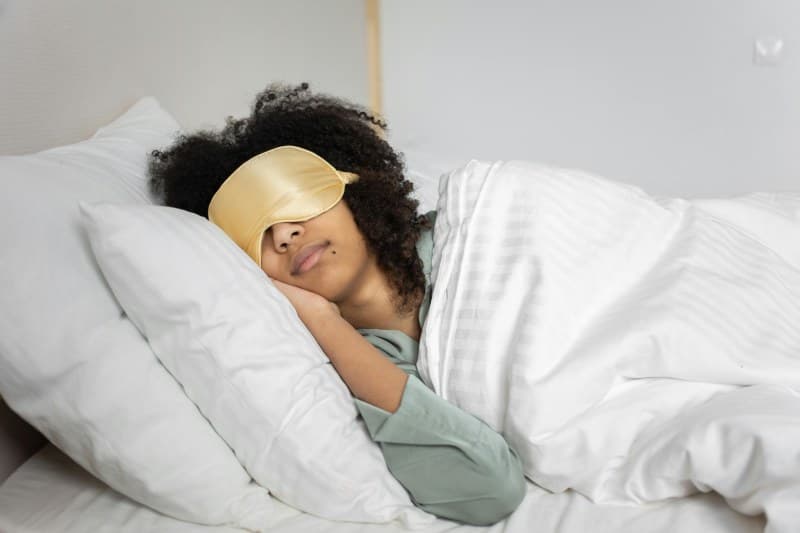
Let’s start with Sarah: a 28-year-old graphic designer who clocks 9 hours of sleep every night but still drags through her mornings. She hits snooze three times, drinks two cups of coffee by 9 AM, and crashes by 3 PM. Sound familiar? Chances are, she’s falling for one of the sleep myths that quietly ruin rest quality—even when you’re in bed for hours.
The 5 Sleep Myths You Need to Stop Believing
We’ve all heard the old wives’ tales about sleep, but many of them are rooted in misinformation. Let’s break down the most surprising ones:
1. More Sleep = Better Sleep
Myth: If 8 hours is good, 10 must be great.
Fact: Quality beats quantity. Oversleeping can disrupt your circadian rhythm, leading to grogginess, headaches, and even mood swings.
Fix: Aim for 7-9 hours (per CDC guidelines) and focus on waking up at the end of a sleep cycle (every 90 minutes).
2. Early Rising Is Always Healthy
Myth: “Early to bed, early to rise” is the only way to be productive.
Fact: Your chronotype (natural sleep-wake cycle) matters. Night owls who force early rising often suffer from sleep deprivation.
Fix: Identify your chronotype (use a simple quiz online) and align your schedule with it—even if that means waking up at 8 AM instead of 6.
3. Napping Makes You Lazy
Myth: Napping during the day is a sign of sloth.
Fact: Short naps (10-20 minutes) boost alertness, memory, and creativity.
Fix: Keep naps under 20 minutes to avoid entering deep sleep (which causes grogginess).
4. You Can “Catch Up” on Sleep on Weekends
Myth: Sleeping in on Saturday and Sunday makes up for weekday sleep loss.
Fact: This “social jet lag” disrupts your circadian rhythm, leading to Monday morning fatigue.
Fix: Keep your sleep schedule within 30 minutes of your weekday routine—even on weekends.
5. Screen Time Before Bed Is Only Bad If It’s Bright
Myth: As long as you dim your phone, it’s okay to scroll before bed.
Fact: Blue light (from phones, TVs, and laptops) suppresses melatonin, the hormone that regulates sleep.
Fix: Turn off screens 1 hour before bed, or use blue light filters if you must use them.
Myth vs. Fact vs. Fix: A Quick Comparison
Here’s a handy table to keep these myths straight:
| Myth | Fact | Science-Backed Fix |
|---|---|---|
| More sleep = better sleep | Quality > quantity; oversleeping disrupts rhythm | Stick to 7-9 hours; wake at cycle end |
| Early rising is always healthy | Chronotype determines ideal wake time | Find your chronotype and align schedule |
| Napping makes you lazy | Short naps boost alertness | Nap 10-20 minutes max |
| Weekend sleep catches up for weekdays | Social jet lag harms rhythm | Keep schedule consistent (±30 mins) |
| Dim screens are okay before bed | Blue light suppresses melatonin | Turn off screens 1hr before bed or use filters |
A Classic Quote to Remember
“Early to bed and early to rise makes a man healthy, wealthy, and wise.” — Benjamin Franklin
Franklin’s quote is iconic, but it’s not one-size-fits-all. For night owls, forcing early rising can lead to poor sleep quality and reduced productivity. The key is to find what works for your body, not just what’s “supposed” to be right.
Q&A: A Common Sleep Question Answered
Q: If I can’t get 7-9 hours of sleep on a weekday, is napping a good alternative?
A: Yes—if done right. A 10-20 minute nap (called a “power nap”) can help restore energy without making you groggy. Avoid napping after 3 PM, as it can interfere with nighttime sleep.
Final Thoughts
Sleep is one of the most important pillars of health, but myths often get in the way of good rest. By debunking these 5 myths and applying the fixes, you can start waking up feeling refreshed—even if you’re not a morning person. Remember: small changes (like consistent sleep times or short naps) can make a big difference in your energy and mood.