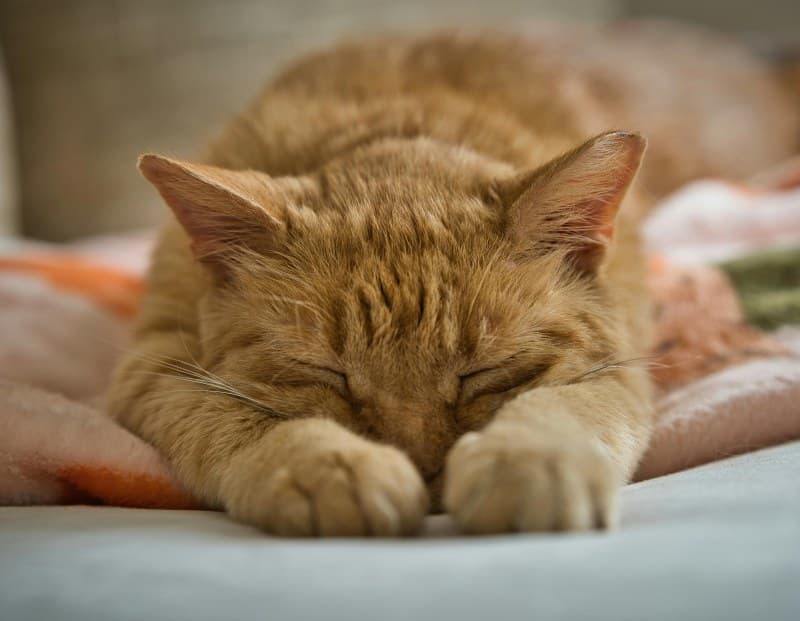
It’s 2 PM, and your eyes feel heavy. You’re staring at your screen, but your brain’s checked out. You reach for a third coffee… but what if a nap was the better choice? Napping is often dismissed as a lazy habit, but science tells a different story. Let’s dive into the surprising truths about this underrated rest practice.
6 Surprising Facts About Napping
1. Not all naps are created equal
Naps come in different forms, each serving a unique purpose. A quick power nap isn’t the same as a longer recovery nap, and knowing the difference can help you get the most out of your rest.
2. The ideal nap duration is shorter than you think
Ever woken up from a nap feeling groggy and disoriented? That’s sleep inertia, and it happens when you nap for too long (over 30 minutes). The sweet spot? 20-30 minutes—long enough to boost alertness but short enough to avoid deep sleep.
3. Naps can supercharge creativity
Studies from the University of California, Berkeley, found that naps enhance creative problem-solving. Participants who napped were 50% more likely to solve a complex puzzle than those who stayed awake.
4. Some people should skip naps
If you struggle with insomnia or have a delayed sleep phase (you stay up late and wake up late), napping can make nighttime sleep harder. It’s also best to avoid napping if you’re prone to sleep apnea.
5. Naps lower stress levels
A 20-minute nap can reduce cortisol (the stress hormone) levels by up to 37%, according to a study in the Journal of Clinical Endocrinology & Metabolism. That’s a quick way to calm your mind.
6. Athletes rely on naps for performance
Many pro athletes, like LeBron James and Serena Williams, nap regularly. Naps help muscles recover, improve reaction time, and boost endurance—key for peak performance.
Compare Different Nap Types
Not sure which nap is right for you? Here’s a breakdown:
| Nap Type | Duration | Key Benefits | Best For |
|---|---|---|---|
| Power Nap | 20-30 mins | Boosts alertness, improves focus | Busy professionals, students |
| Recovery Nap | 60-90 mins | Muscle recovery, memory consolidation | Athletes, people recovering from illness |
| Siesta | 30-60 mins | Beats afternoon slump, aligns with circadian rhythm | People in cultures where siestas are common |
| Micro Nap | 5-10 mins | Quick energy boost, no sleep inertia | Drivers (when safe), people short on time |
What the Experts (and Classics) Say
“The best thing for being sad is to learn something. The second best is to take a nap.” — Mark Twain
Twain’s words ring true today. Naps aren’t just for lazy afternoons—they’re a tool to reset your mood and recharge your brain. Whether you’re sad, stressed, or just tired, a short nap can help you feel like yourself again.
A Real-Life Example: Lily’s Nap Hack
Lily, a college student, was struggling with midterms. She’d stay up late studying, then drag through classes the next day. A friend suggested she try 25-minute power naps between study sessions. At first, Lily was skeptical—she thought napping would waste time. But after a week, she noticed a difference: her memory improved, she made fewer mistakes on practice tests, and she didn’t feel the need to drink 4 cups of coffee a day. “It’s like my brain got a software update,” she said.
Common Q&A About Napping
Q: Is napping during the day bad for my nighttime sleep?
A: It depends. If you nap for more than 30 minutes or after 3 PM, it might interfere with your ability to fall asleep at night. But short, early-afternoon naps (before 3 PM) are usually safe for most people. If you have insomnia, it’s best to avoid napping altogether.
Science-Backed Tips for Better Naps
- Keep it short: Stick to 20-30 minutes to avoid sleep inertia.
- Nap early: Try to nap before 3 PM to not disrupt nighttime sleep.
- Create a calm space: Find a dark, quiet area—use an eye mask or white noise if needed.
- Avoid caffeine: Skip coffee or energy drinks 1-2 hours before napping, as they can make it hard to fall asleep.
Napping is a simple, free way to boost your energy, creativity, and mood. So next time you feel that afternoon slump, skip the extra coffee and give a nap a try—your body and brain will thank you.