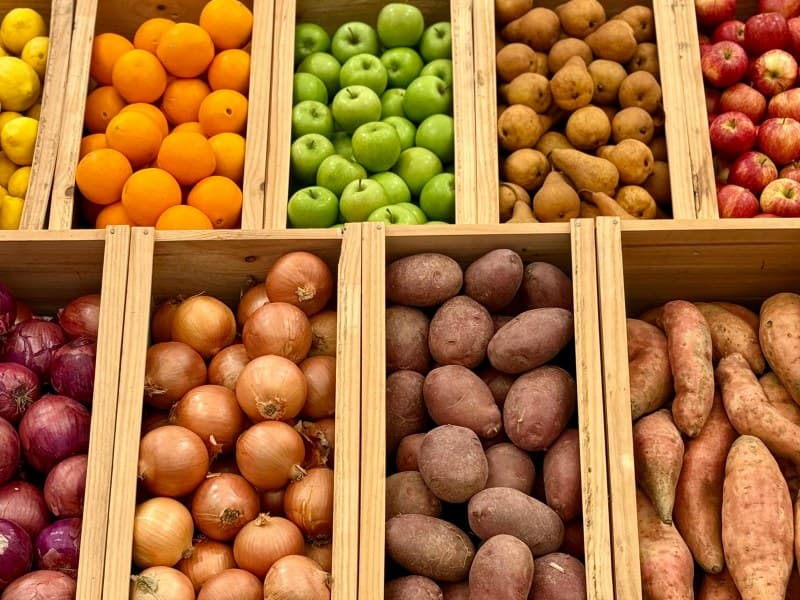
Coming home from the grocery store with a bag of crisp apples, vibrant spinach, and ripe tomatoes feels like a win—until you find half of them wilted or mushy by the end of the week. Frustrating, right? We’ve all been there. The good news is, with a few simple tricks, you can extend the life of your produce and cut down on food waste (and grocery bills).
6 Smart Ways to Keep Produce Fresh Longer
Let’s dive into the actionable tips:
- Separate ethylene producers from sensitive items 🍌: Fruits like apples, bananas, and avocados release ethylene gas, which speeds up ripening (and spoilage) in ethylene-sensitive produce like spinach, berries, and carrots. Keep them in separate bins or bags.
- Store leafy greens with a paper towel 🥬: Place a dry paper towel in the container with your greens (spinach, kale, lettuce). It absorbs excess moisture, preventing wilting. Seal the container tightly.
- Keep tomatoes at room temperature 🍅: Refrigerating tomatoes ruins their flavor and texture—they become mealy. Store them on a counter away from direct sunlight. If they’re overripe, move to the fridge to slow decay.
- Store herbs like flowers 🌿: For fresh herbs (basil, cilantro), trim the stems and place them in a glass jar with a little water. Cover the top with a plastic bag (loosely) and keep in the fridge. They’ll last up to 2 weeks!
- Wrap broccoli/cauliflower in damp paper towels 🥦: These veggies need moisture to stay crisp. Wrap them in a slightly damp paper towel and put in a plastic bag (leave a small opening for air flow).
- Freeze overripe fruits for smoothies 🍓: Instead of throwing away overripe bananas, berries, or mangoes, freeze them. They make perfect additions to smoothies or homemade sorbet.
Common Produce Storage Myths vs Facts
Let’s clear up some misconceptions about storing produce:
| Myth | Fact |
|---|---|
| All produce should go in the fridge. | Many items (tomatoes, potatoes, onions) do better at room temp. Fridge can damage their texture or flavor. |
| Ethylene gas doesn’t affect other produce. | Ethylene is a natural ripening hormone—proximity to producers can make sensitive items spoil faster. |
| Washing produce before storage is good. | Washing adds moisture, which speeds up spoilage. Wait until you’re ready to use them. |
Real-Life Example: How One Tip Saved Me Money
Last month, I bought a big bunch of kale for my morning smoothies. Normally, it would wilt in 3 days, forcing me to buy another bunch. This time, I wrapped it in a damp paper towel and stored it in an airtight container. It stayed fresh for 2 whole weeks! That saved me $3 (the cost of a new bunch) and kept me from wasting food.
Classic Wisdom on Reducing Waste
“Waste not, want not.” — Traditional Proverb
This old saying rings true when it comes to produce. By storing our fruits and veggies properly, we’re not just saving money—we’re also reducing food waste, which is good for both our wallets and the planet. Every little bit counts!
FAQ: Should I Wash Produce Before Storing?
Q: Is it better to wash fruits and veggies right after buying them, or wait until I’m ready to use them?
A: Wait until you’re ready to use them! Washing produce adds moisture, which can speed up spoilage. If you must wash ahead (like for pre-cut veggies), make sure to dry them completely with a paper towel before storing. This will help keep them fresh longer.