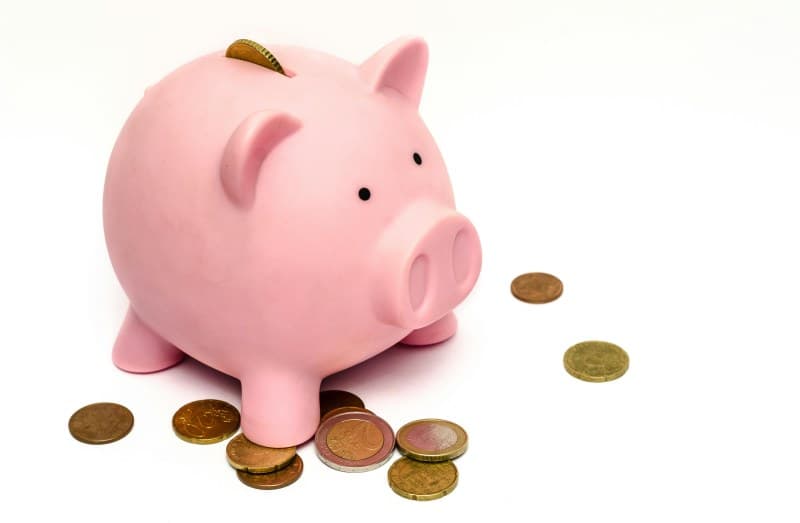
Let’s start with Sarah’s story: She earned a decent salary but always found her bank account empty by the end of the month. She’d set goals to save for a vacation, but every time she had extra cash, she’d splurge on coffee, clothes, or takeout. Then she tried one small trick—setting up an automatic transfer of $50 from her checking to savings every payday. Suddenly, saving wasn’t a choice anymore; it was just something that happened. Within six months, she had $1,200 for her trip. That’s the power of using psychology to make saving automatic.
Why Willpower Alone Isn’t Enough
Most people think saving requires strict discipline, but research shows willpower is a finite resource. By the end of the day, after making dozens of decisions, your brain is too tired to say “no” to that impulse buy. The solution? Use psychological hacks to remove the decision-making from saving—so it happens without you even thinking.
The 6 Hacks to Make Saving Automatic
These hacks are simple, low-effort, and backed by behavioral economics. Let’s break them down:
1. Pay Yourself First 💡
Set up an automatic transfer from your checking account to savings right after you get paid. This way, you’re saving before you have a chance to spend the money. Sarah used this hack, and it changed her savings game.
2. Label Your Savings Goals
Instead of a generic “Savings” account, name it something specific—like “Beach Vacation 2024” or “Emergency Fund.” Studies show that concrete goals make people more likely to save. For example, if you see “New Laptop Fund” every time you check your account, you’re less likely to dip into it for a random purchase.
3. The 10-Second Rule for Impulse Buys
When you want to buy something non-essential, wait 10 seconds. Ask yourself: “Do I really need this?” Most of the time, the urge will pass. A friend of mine used this rule to cut down on $150/month in unnecessary Amazon purchases.
4. Round Up Every Purchase
Use an app that rounds up your debit card purchases to the nearest dollar and transfers the difference to savings. For example, if you buy a coffee for $3.75, $0.25 goes to savings. Over a year, this can add up to hundreds of dollars. My cousin saved $420 in one year using this trick.
5. Separate Savings Accounts
Have multiple savings accounts for different goals. One for emergencies, one for a down payment, one for a vacation. This prevents you from using emergency funds for non-emergencies. A colleague of mine did this and found she saved 3x more than when she had one account.
6. Link Savings to Small Wins
Every time you achieve a small goal (like going to the gym, finishing a project, or skipping takeout), transfer a small amount (e.g., $5) to savings. This turns saving into a reward, making it more enjoyable. I do this—every time I cook at home instead of ordering in, I put $3 into my “Weekend Getaway” fund.
Comparison of the 6 Hacks
Here’s how the hacks stack up in terms of effort, time to results, and impact:
| Hack Name | Effort Level | Time to See Results | Impact |
|---|---|---|---|
| Pay Yourself First | Low (set once) | 1–2 months | High (consistent savings) |
| Label Goals | Low (rename accounts) | Immediate (mental shift) | Medium (motivation boost) |
| 10-Second Rule | Medium (requires self-control) | 1–2 weeks | Medium (reduces impulse buys) |
| Round Up Purchases | Low (app setup) | 3–6 months | Medium (slow but steady) |
| Separate Accounts | Low (open accounts) | Immediate (reduces overspending) | High (goal-specific savings) |
| Link to Small Wins | Medium (track wins) | 1 month | Medium (makes saving fun) |
A Classic Quote to Remember
The best time to plant a tree was 20 years ago. The second best time is now. — Chinese Proverb
This quote applies perfectly to saving. You don’t need to wait for a “perfect” time to start. Even small steps today can lead to big savings tomorrow.
FAQ: Common Question About Automatic Saving
Q: Can these hacks work if I have an irregular income (like freelance work)?
A: Absolutely! For “Pay Yourself First,” set up a transfer of 10–15% of each payment instead of a fixed amount. Round-ups and small wins are also flexible—they don’t depend on a steady paycheck. The key is to adapt the hacks to your situation.
Final Thoughts
Saving doesn’t have to be hard. By using these psychological hacks, you can turn saving into a habit that feels automatic. Start with one hack (like Pay Yourself First) and add others as you get comfortable. Remember: every small step counts, and the best time to start is now.