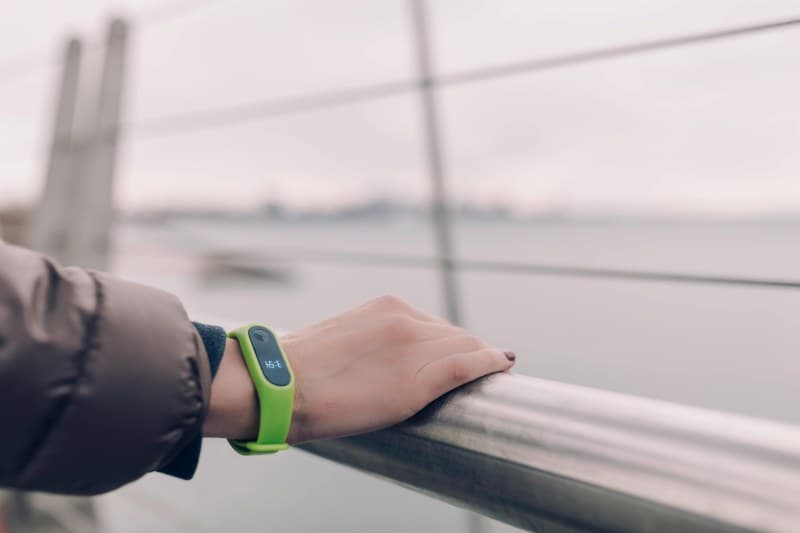
Let’s start with Sarah’s story: Every morning, she checks her Apple Watch to see how many steps she took the day before. But one week, she noticed she was exhausted even after 8 hours of sleep. Curious, she tapped into her watch’s sleep data—and was shocked to find she’d only gotten 30 minutes of deep sleep each night. She adjusted her routine (no screens an hour before bed) and within a week, her deep sleep doubled. Suddenly, her smartwatch wasn’t just a step counter—it was a wellness tool.
6 Hidden Things Your Smartwatch Tracks (Beyond Steps)
Most of us use our smartwatches for step counts or notifications, but they’re packed with hidden features that can help you understand your body better. Here are six you might be missing:
- Sleep Stages: Tracks deep, light, and REM sleep to show how restful your night was.
- Stress Levels: Uses heart rate variability (HRV) to detect when you’re feeling anxious or tense.
- Blood Oxygen (SpO2): Measures how much oxygen is in your blood—useful for monitoring altitude sickness or sleep apnea signs.
- Hydration Reminders: Some models (like Samsung Galaxy Watch) estimate your water needs based on activity and heart rate, sending alerts to drink up.
- Posture Alerts: Uses accelerometers to notice when you’re slouching, then vibrates to remind you to sit up straight.
- UV Exposure: Light sensors measure UV rays, warning you when it’s time to apply sunscreen.
To help you compare these features, here’s a quick breakdown:
| Feature | How It Works | Everyday Use Case |
|---|---|---|
| Sleep Stages | Uses accelerometer and heart rate data to detect sleep cycles. | Adjust bedtime routine if deep sleep is low. |
| Stress Levels | Analyzes HRV (time between heartbeats) to gauge stress. | Take a 5-minute walk if stress levels spike at work. |
| Blood Oxygen | Uses LED lights to measure oxygen saturation in blood. | Check SpO2 after a high-altitude hike to ensure you’re okay. |
Myths About Smartwatch Tracking (Busted!)
Smartwatches are popular, but there are plenty of myths floating around. Let’s set the record straight:
- Myth 1: Smartwatches are 100% medically accurate.
Reality: They’re designed for general wellness, not medical diagnosis. For example, blood oxygen readings are estimates—always consult a doctor for health concerns. - Myth 2: More features mean a better smartwatch.
Reality: It’s all about your needs. If you don’t care about sleep tracking, a basic model with step counts and heart rate is perfect.
"Know thyself." – Socrates
This ancient wisdom rings true today. Smartwatches are tools that help us know our bodies better—from how well we sleep to when we’re feeling stressed. They don’t replace self-awareness, but they amplify it.
Pro Tips to Maximize Your Smartwatch’s Potential
Want to get the most out of your smartwatch? Try these simple tips:
- Calibrate your watch: Sync it with your phone’s GPS once a month to improve step count accuracy.
- Set custom alerts: If you struggle with posture, turn on posture alerts. If you forget to drink water, set hydration reminders.
- Review data weekly: Spend 5 minutes each Sunday looking at your sleep and stress data. Small changes (like going to bed 15 minutes earlier) can make a big difference.
Quick FAQ
Q: Can my smartwatch replace a dedicated fitness tracker?
A: Yes! Most smartwatches include all the features of a fitness tracker (step counting, heart rate, workout tracking) plus extras like app notifications and music control. If you only need basic tracking, a fitness tracker might be lighter and cheaper—but a smartwatch offers more versatility.
At the end of the day, your smartwatch is more than a gadget. It’s a partner in your wellness journey. Take a few minutes to explore its hidden features—you might be surprised at what you find.