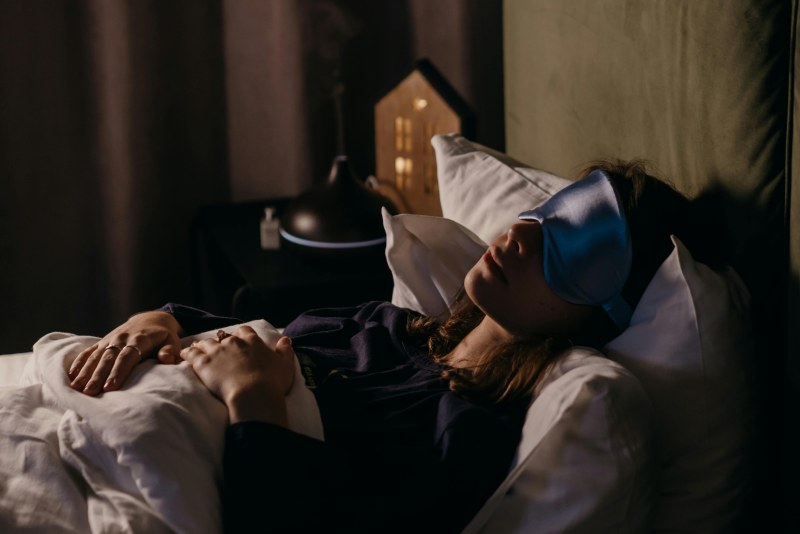
Let’s start with Sarah: She’s tried everything to get a good night’s sleep. She forces herself to stay in bed for 8 hours even if she wakes up at 5 AM, drinks warm milk every night, and counts sheep when she can’t fall asleep. But she still tosses and turns, waking up groggy. Sound familiar? Chances are, Sarah’s falling for common sleep myths that are sabotaging her rest.
6 Sleep Myths That Are Holding You Back
Many of the sleep rules we live by are based on old wives’ tales or misinterpreted studies. Let’s break down each myth, its truth, and a quick fix to adjust your routine:
| Myth | Science-Backed Truth | Quick Fix |
|---|---|---|
| You must get 8 hours of sleep nightly. | Optimal sleep varies (7-9 hours for adults; some need 6, others 10). | Track your sleep for a week to find your natural rhythm. |
| Warm milk guarantees better sleep. | It’s more about the ritual than the milk itself (try herbal tea if lactose-intolerant). | Stick to a pre-sleep ritual (reading, stretching) instead of relying on one food/drink. |
| Snoring is harmless. | Chronic snoring may signal sleep apnea, which disrupts deep sleep. | Elevate your head with a pillow or consult a doctor if snoring is loud/consistent. |
| You can "catch up" on sleep over the weekend. | Irregular sleep schedules confuse your circadian rhythm, leading to grogginess. | Keep a consistent sleep/wake time even on days off. |
| Exercising right before bed ruins sleep. | Light exercise (yoga, walking) can improve sleep; intense workouts 3+ hours before bed are fine. | Avoid high-intensity workouts 2 hours before bed; try gentle stretching instead. |
| Counting sheep helps you fall asleep. | It’s boring but doesn’t distract the brain—try visualizing a calm scene instead. | Imagine a peaceful place (beach, forest) to shift your focus from racing thoughts. |
Why These Myths Stick Around
Most sleep myths persist because they’re easy to remember and passed down through generations. For example, the 8-hour rule came from a 19th-century study that didn’t account for individual differences in sleep needs. And the warm milk myth? It’s tied to the idea that tryptophan (found in milk) helps with sleep—but you’d need to drink gallons to feel its effect.
"Sleep is the best meditation." — Dalai Lama
This quote reminds us that sleep should be a peaceful, restorative experience. But when we buy into myths, we turn sleep into a stressful task. Instead of worrying about hitting 8 hours or forcing a ritual that doesn’t work, focus on what feels natural for your body.
Common Q&A: Your Sleep Questions Answered
Q: If I can’t fall asleep in 20 minutes, should I stay in bed?
A: No, according to the National Sleep Foundation. Staying in bed when you’re awake can associate your bed with frustration instead of rest. Get up and do a quiet activity (like reading a physical book or folding laundry) until you feel sleepy, then return to bed.
Final Thoughts
Sleep doesn’t have to be complicated. By letting go of rigid rules and listening to your body, you can improve your rest. Start small: Pick one myth to debunk this week (like ditching the 8-hour obsession) and see how it changes your sleep quality. Remember—rest is personal, and there’s no one-size-fits-all solution.