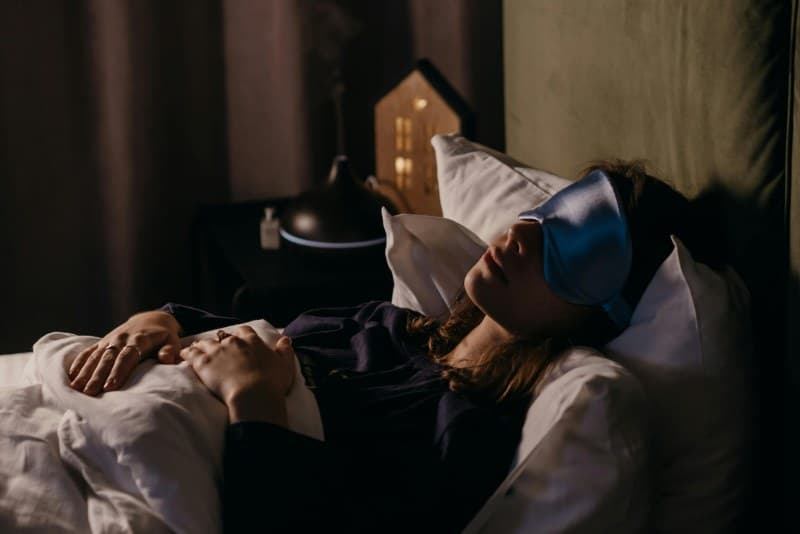
Last month, my friend Lila was stressed. She’d been staying up late to hit her ‘8-hour target’ but woke up groggy every morning. She thought she was failing at sleep, but it turns out she was buying into a common myth—one of many that keep people from getting the rest they need.
7 Sleep Myths You Need to Stop Believing
Let’s break down the most persistent sleep myths and set the record straight:
| Myth | Common Belief | Science-Backed Truth |
|---|---|---|
| 8 hours is non-negotiable | Everyone needs exactly 8 hours to feel rested. | Adult sleep needs range from 7-9 hours, but some thrive on 6 or 10. Listen to your body. |
| Naps ruin night sleep | Any nap during the day will make it hard to fall asleep at night. | Short naps (20-30 mins) boost energy without disrupting nighttime rest. Avoid napping after 3 PM. |
| Hitting snooze helps | Snoozing gives you extra rest to start the day. | Snoozing leads to fragmented sleep, making you more tired than if you’d woken up once. |
Other myths to ditch: Alcohol helps you sleep (it disrupts deep sleep stages), you can catch up on sleep over the weekend (it throws off your circadian rhythm), dimmed phone screens are safe before bed (blue light still suppresses melatonin), and staying in bed if you can’t sleep is best (it associates bed with frustration).
Science-Backed Tips to Boost Sleep Quality
Now that we’ve debunked the myths, here are actionable tips to improve your sleep:
| Tip | Effort Level | Impact |
|---|---|---|
| Consistent sleep schedule | Medium (stick to same bed/wake times daily) | High (regulates circadian rhythm) |
| Pre-sleep routine | Low (read, warm bath, no screens) | Medium (signals body to wind down) |
| Optimize bedroom | Medium (cool temp, dark, quiet) | High (creates ideal sleep environment) |
“Early to bed and early to rise, makes a man healthy, wealthy, and wise.” – Benjamin Franklin
Franklin’s advice has merit, but it’s not one-size-fits-all. Some people are night owls, and forcing an early schedule can do more harm than good. The key is consistency, not a specific time.
Real-Life Example: Lila’s Sleep Turnaround
Lila stopped forcing 8 hours. She started going to bed when she felt tired (around 10:30 PM) and waking up at 6:30 AM (7 hours). She cut out evening coffee and swapped her phone for a book an hour before bed. Within a week, she woke up without hitting snooze and had more energy throughout the day.
FAQ: Your Sleep Questions Answered
Q: Is it okay to take a nap if I’m tired during the day?
A: Yes! Short naps (20-30 minutes) are great for boosting energy. Just avoid napping after 3 PM, as it can interfere with nighttime sleep. If you need a longer nap, aim for 90 minutes (a full sleep cycle) to wake up feeling refreshed instead of groggy.