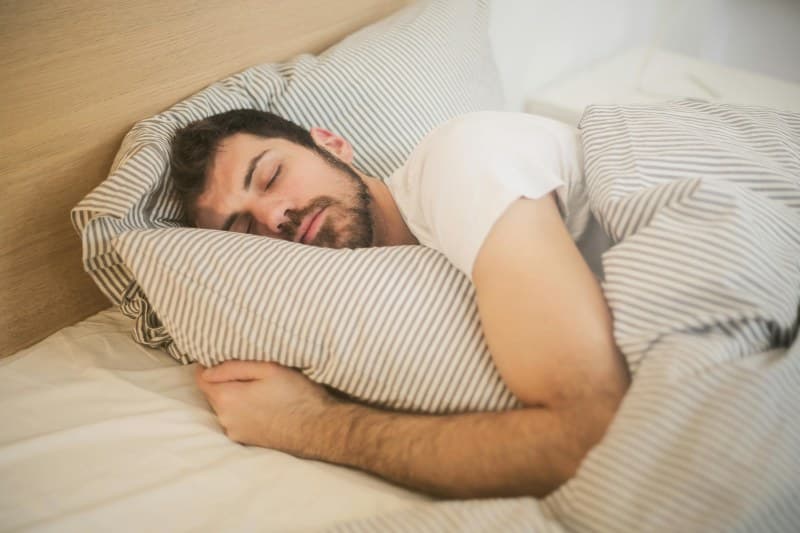
Last month, my friend Lila pulled three all-nighters to finish a work project. By the weekend, she was sniffling, coughing, and stuck in bed with a cold. She joked, “I guess my body decided to punish me for skipping sleep.” Turns out, her joke had a lot of truth—sleep and immunity are deeply connected, and skimping on rest can leave you vulnerable to illness.
Why Sleep and Immunity Go Hand in Hand
When you sleep, your body isn’t just resting—it’s hard at work. During deep sleep, your immune system produces cytokines (proteins that fight inflammation and infection) and T cells (white blood cells that target viruses and bacteria). Without enough sleep, these key players drop in number, making it easier for germs to take hold.
5 Surprising Sleep-Immunity Links
It’s not just about how long you sleep—small details make a big difference. Here are five unexpected ways sleep impacts your immune system:
1. Sleep Quality Matters More Than Quantity
You could sleep 8 hours a night, but if you’re tossing and turning (thanks to a noisy neighbor or a too-warm room), your immune system won’t get the boost it needs. Deep, uninterrupted sleep is where the magic happens for cytokine production.
2. Naps Can Give Your Immune System a Boost
Short power naps (20-30 minutes) aren’t just for lazy afternoons—they increase cytokine levels and help your body recharge. A 2021 study found that people who napped regularly had a 12% higher antibody response to vaccines than non-nappers.
3. Sleep Deprivation Makes Vaccines Less Effective
If you’re planning to get a flu or COVID shot, skip the all-nighter the night before. A study in the Journal of the American Medical Association found that people who slept fewer than 6 hours after a flu vaccine had 50% lower antibody levels than those who slept 7+ hours.
4. Chronic Poor Sleep Raises Inflammation
Long-term sleep loss (think months of 5-6 hours a night) leads to chronic inflammation. This constant state of “fight mode” wears down your immune system over time, increasing your risk of chronic diseases like diabetes and heart disease.
5. Sleep Timing Affects Immune Rhythms
Your body’s internal clock (circadian rhythm) regulates immune function. Going to bed at 10 PM one night and 2 AM the next (hello, weekend binges) disrupts this rhythm, reducing the production of immune cells. Shift workers, who often have irregular sleep schedules, are more prone to infections for this reason.
To put this in perspective, here’s a quick comparison of sleep duration and immune response:
| Sleep Duration (Hours) | Immune Marker Change | Impact |
|---|---|---|
| <6 | Cytokine levels drop by 30% | Higher risk of colds and flu |
| 6-7 | Moderate cytokine production | Adequate for daily defense but not optimal |
| 7-8 | Peak cytokine and T cell levels | Strongest immune response |
| >9 | Minor decrease in immune function | Over-sleeping can weaken defenses (rare for adults) |
Common Myths About Sleep & Immunity (Debunked)
Let’s clear up some misconceptions:
- Myth: You can catch up on sleep over the weekend. Fact: Chronic sleep debt (missing 1-2 hours a night for a week) can’t be reversed with a few extra hours on Saturday. Your immune system takes days to recover.
- Myth: Only deep sleep affects immunity. Fact: All sleep stages play a role. REM sleep (when you dream) helps regulate T cell activity, while light sleep allows your body to rest and prepare for deep sleep.
“A good laugh and a long sleep are the two best cures for anything.” — Irish Proverb
This old saying rings true—sleep is one of the most powerful (and free) tools you have to keep your immune system strong. Laughter helps reduce stress (which also impacts immunity), but sleep is the foundation.
Practical Tips to Boost Sleep & Immunity
You don’t need to overhaul your life to improve your sleep and immunity. Try these small changes:
- Stick to a schedule: Go to bed and wake up at the same time every day (even weekends).
- Create a calm bedtime routine: Avoid screens 1 hour before bed—try reading a book or drinking herbal tea instead.
- Keep your bedroom cool: The ideal temperature for sleep is 60-67°F (15-19°C).
- Limit caffeine after 2 PM: Caffeine can stay in your system for 6-8 hours, disrupting sleep.
- Take a short nap: If you’re tired during the day, a 20-minute nap (no longer!) can boost your immune system without making it hard to sleep at night.
FAQ: Your Sleep & Immunity Questions Answered
Q: How much sleep do I really need to keep my immune system strong?
A: Most adults need 7-8 hours of quality sleep per night. For children (ages 6-12), it’s 9-12 hours, and teens (13-18) need 8-10 hours. If you’re sick, aim for an extra hour or two—your body needs the rest to fight off infection.
Q: Can I take supplements to replace sleep for immune health?
A: No. Supplements like vitamin C or zinc can support your immune system, but they can’t replace the benefits of sleep. Think of them as a bonus, not a substitute.
At the end of the day, sleep is a non-negotiable part of staying healthy. Next time you’re tempted to skip a few hours to finish a task, remember Lila’s story—your immune system will thank you for choosing rest.