Last week, my friend Sarah told me she’d been chugging 8 glasses of water a day for a month. She felt bloated, ran to the bathroom every hour, and still wondered if she was doing enough. Like many of us, she’d bought into the age-old 8-glass rule without question. But is that really the right way to stay hydrated?
Is the 8-glass rule a fact or fiction?
The 8-glass myth traces back to a 1945 study that suggested adults need about 2.5 liters of water daily. What most people miss? That number includes water from food—like cucumbers (96% water), watermelon (92% water), and even soups. For most sedentary adults, drinking 1.5 to 2 liters of fluids (including water, tea, and milk) is enough. Forcing extra glasses can lead to discomfort or even overhydration.
7 Hydration Myths Debunked
- Myth 1: Thirst means you’re already dehydrated.
Truth: Thirst is your body’s early warning system. It’s okay to drink when you feel thirsty—you’re not behind. - Myth 2: Clear urine equals perfect hydration.
Truth: Pale yellow urine is ideal. Clear urine might mean you’re drinking more than your body needs. - Myth 3: Caffeinated drinks (coffee/tea) dehydrate you.
Truth: Moderate caffeine intake (up to 400mg a day) doesn’t dehydrate most people. These drinks count toward your daily fluid intake. - Myth 4: You can’t overhydrate.
Truth: Overhydration (hyponatremia) is rare but possible. It happens when you drink too much water too fast, diluting electrolytes like sodium. - Myth 5: All fluids count equally.
Truth: Sugary drinks (soda, sweetened juice) add empty calories and can lead to tooth decay. Herbal teas and infused water are better choices. - Myth 6: You need more water in hot weather no matter what.
Truth: If you’re sitting in AC all day, you might not need extra. Only increase intake if you’re sweating a lot. - Myth 7: Elderly people don’t need as much water.
Truth: Elderly adults often have reduced thirst cues, so they need to make a conscious effort to drink enough to avoid dehydration.
How Much Water Do You Actually Need?
Your hydration needs vary based on lifestyle and health. Here’s a quick breakdown:
| Group | Daily Water Intake (approx) | Key Notes |
|---|---|---|
| Sedentary adult | 1.5–2 liters | Includes water from food (fruits, veggies) |
| Active adult (1+ hours of exercise) | 2.5–3 liters | Add 500ml for every 30 minutes of intense sweating |
| Pregnant woman | 2.3 liters | Extra fluid for fetal development |
| Elderly adult | 1.5–2 liters | Drink small amounts regularly (thirst cues may be weak) |
“Moderation in all things, including moderation.” — Aristotle
This quote fits perfectly with hydration. Drinking too little can cause fatigue or headaches, but overdoing it isn’t helpful either. The best approach is to listen to your body and adjust based on your daily activities.
FAQ: Your Hydration Questions Answered
Q: Can I replace water with herbal tea or infused water?
A: Absolutely! Herbal teas (like chamomile or mint) are calorie-free and hydrating. Infused water (with lemon, cucumber, or berries) adds flavor without sugar, making it easier to drink enough.
Q: Do I need to drink water before a workout?
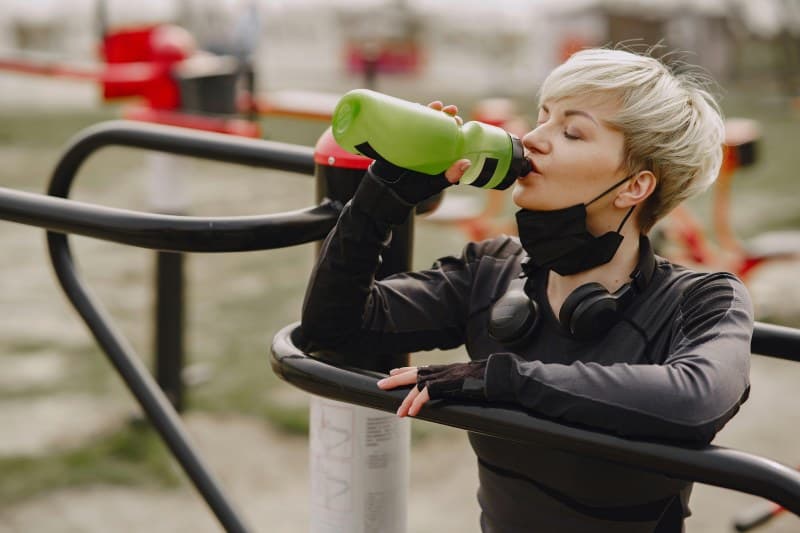
A: Yes, but not too much. Drink 200–300ml 30 minutes before exercising, and sip small amounts during your workout if it’s longer than 30 minutes.
Practical Tips for Staying Hydrated
Here are a few easy ways to keep your fluid levels balanced:
- Keep a reusable water bottle with you—sip throughout the day.
- Eat water-rich foods like watermelon, celery, or oranges.
- Set gentle reminders if you forget to drink (but don’t force it).
- Check your urine color—pale yellow is a good sign.
At the end of the day, hydration isn’t about hitting a magic number. It’s about being mindful of your body’s needs and making small, sustainable choices.