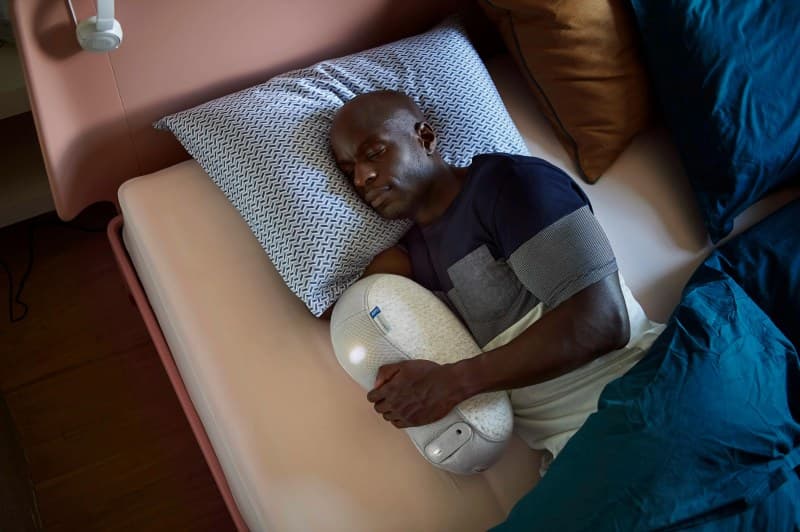
Maria, a freelance graphic designer, used to pride herself on burning the midnight oil. She’d stay up until 2 a.m. tweaking designs, then drag herself out of bed at 7 to meet deadlines. But after a week of missing small details (like forgetting to save a client’s file) and snapping at her roommate over burnt toast, she realized something was off. When she started going to bed by 11 p.m., her creativity came back—she even nailed a big pitch she’d been stressing about. Turns out, sleep wasn’t just about feeling rested; it was shaping every part of her day.
5 Surprising Ways Sleep Impacts Your Daily Performance 😴⚡
We all know sleep helps us feel less tired, but its effects go way deeper. Here are five unexpected ways a good night’s rest changes how you show up in the world:
1. Sharper Focus & Smarter Decisions
When you sleep, your brain clears out “mental clutter” from the day and consolidates memories. Sleep-deprived people struggle to stay focused—studies from the University of California, Berkeley, found that even one night of poor sleep can reduce attention span by 30%. For Maria, this meant missing typos in client work and taking twice as long to finish tasks.
2. Stable Mood & Less Irritability
Lack of sleep throws your brain’s mood-regulating chemicals (like serotonin and cortisol) out of balance. You’re more likely to overreact to small stressors—think snapping at a coworker or crying over a spilled coffee. Maria noticed this: after a bad night’s sleep, she’d get frustrated with minor design errors that usually didn’t bother her.
3. More Physical Energy & Endurance
Sleep is when your body repairs muscles and replenishes energy stores. Even if you don’t hit the gym, a good night’s rest helps you get through daily tasks (like carrying groceries or climbing stairs) without feeling winded. Maria found she could walk to her client meetings without needing a coffee stop halfway.
4. Stronger Immune System
Poor sleep reduces the number of white blood cells your body produces—these are the cells that fight off germs. A study from the University of Washington found that people who sleep less than 7 hours a night are 3x more likely to get a cold. Maria used to get sick every winter, but after fixing her sleep, she made it through the season without a sniffle.
5. Boosted Creativity & Problem-Solving
When you sleep, your brain makes new connections between ideas. This is why you often wake up with a solution to a problem you were stuck on the night before. Maria had been struggling with a logo design for weeks—after a full 8 hours of sleep, she woke up with the perfect concept.
To see the difference clearly, here’s a quick comparison:
| Area | Well-Slept (7-9 hours) | Sleep-Deprived (≤6 hours) |
|---|---|---|
| Focus | Sharp, can concentrate for 1-2 hours | Distracted, struggles to finish tasks |
| Mood | Calm, able to handle stress | Irritable, overreacts to small issues |
| Physical Energy | Can do daily tasks without fatigue | Winded easily, needs frequent breaks |
| Immunity | Less likely to get sick | 3x higher risk of colds/flu |
| Creativity | New ideas flow easily | Stuck on problems, no fresh insights |
“Sleep is the best meditation.” — Dalai Lama
This quote rings true because sleep isn’t just about rest—it’s a time for your mind to reset. When you sleep, you’re not just recharging; you’re giving your brain the space to heal and grow, which makes every part of your day better.
Common Question: How Much Sleep Do I Really Need?
Q: I get 6 hours of sleep every night and feel okay—do I need more?
A: Most adults need 7-9 hours of sleep per night, according to the Centers for Disease Control (CDC). While some people are “short sleepers” (able to function well on 6 hours or less), this is rare—only about 1% of the population. If you’re noticing any of the issues Maria faced (like poor focus or mood swings), try adding an extra hour of sleep for a week and see how you feel.
Simple Tips to Improve Your Sleep
You don’t need fancy gadgets to get better sleep. Try these three easy changes:
- Stick to a consistent bedtime and wake-up time (even on weekends).
- Avoid screens (phones, TVs, laptops) 1 hour before bed—blue light disrupts your body’s sleep hormone (melatonin).
- Make your bedroom cool (60-67°F/15-19°C) and dark—use blackout curtains if needed.
Maria tried these tips and saw a huge difference. Within a month, her work improved, her mood was better, and she even had more energy to hang out with friends. Sleep isn’t a luxury—it’s a foundation for a happy, productive life.