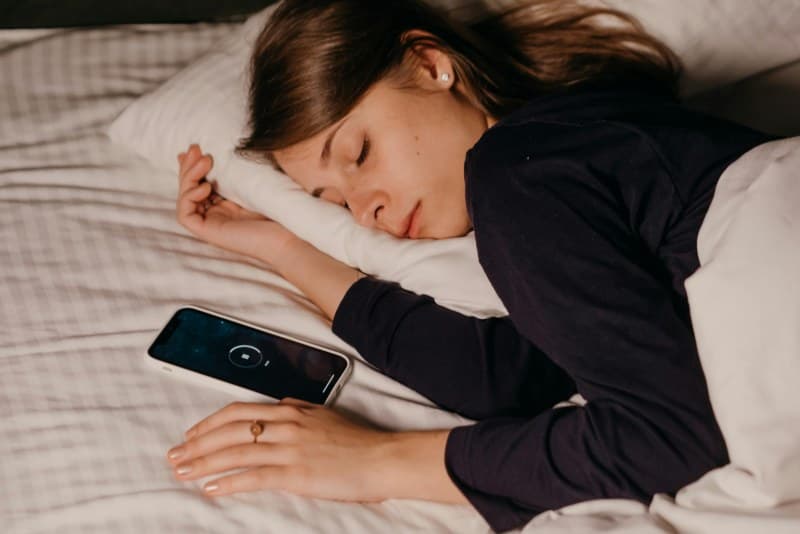
Maria noticed a pattern: after a night of tossing and turning, she’d snap at her kids over spilled milk or feel drained halfway through her workday. She thought it was just “a bad day,” but it turned out her sleep was calling the shots. Most of us know sleep is important, but few realize how deeply it shapes our daily lives beyond just feeling tired.
5 Surprising Sleep-Mood & Energy Links
Your sleep doesn’t just recharge your body—it also regulates your brain’s emotional and energy systems. Here’s how:
| Sleep Effect | How It Shows Up in Your Day | Quick Fix to Try Tonight |
|---|---|---|
| Reduced serotonin production | Snappiness, low mood, or difficulty feeling joy | Get 10 minutes of natural sunlight within 30 minutes of waking |
| Weakened emotional regulation | Overreacting to small stressors (like a late email) | Avoid screens 1 hour before bed (blue light disrupts deep sleep) |
| Impaired decision-making | Grabbing junk food instead of a healthy snack, or procrastinating on tasks | Keep your bedroom cool (60–67°F/15–19°C) for better deep sleep |
| Unprocessed emotions | Lingering anger or sadness from the previous day | Try a 5-minute pre-sleep meditation to calm your mind |
| Disrupted energy cycles | Mid-afternoon slumps that make you reach for coffee | Stick to a consistent sleep schedule (even on weekends) |
Debunking Common Sleep Myths
We’ve all heard old wives’ tales about sleep, but which are true? Let’s set the record straight:
- Myth: You can “catch up” on sleep over the weekend.
Fact: Irregular sleep schedules throw off your circadian rhythm, making it harder to fall asleep during the week. - Myth: Napping is bad for nighttime sleep.
Fact: A 20-minute power nap (before 3 PM) can boost energy without disrupting your night rest.
“Early to bed and early to rise, makes a man healthy, wealthy, and wise.” — Benjamin Franklin
Franklin’s quote isn’t just a saying—it highlights the power of consistent sleep habits. When you stick to a routine, your body learns when to produce energy and when to wind down, leading to better mood and focus.
FAQ: Your Sleep Questions Answered
Q: Is it true that sleeping more than 8 hours is bad for you?
A: Not necessarily. Most adults need 7–9 hours, but some (like teens or those recovering from illness) need more. The key is consistency—sleeping 10 hours occasionally won’t harm you, but regular oversleeping might signal underlying issues like depression or sleep apnea (if you’re also feeling tired during the day).
Small changes to your sleep routine can make a big difference. Start with one quick fix from the table above—you might be surprised how much better you feel.