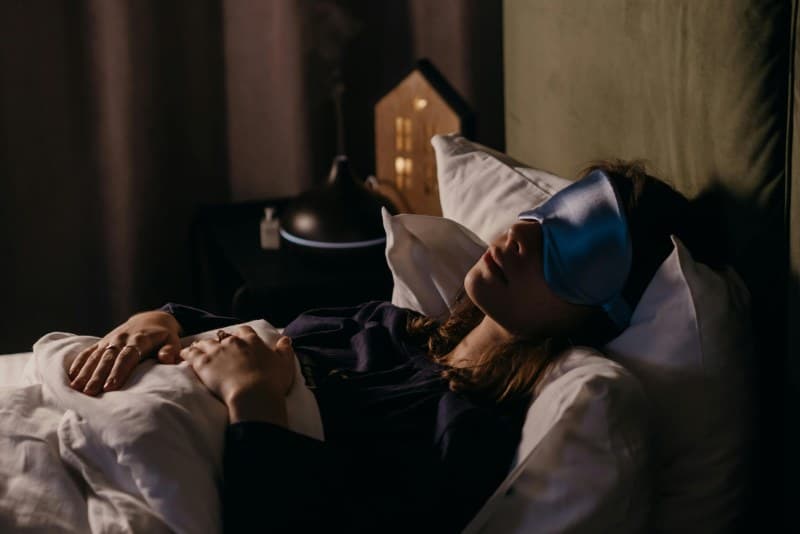
Let’s start with a relatable moment: Sarah stayed up until 2 AM finishing a work project, then snapped at her friend the next morning over a misplaced coffee mug. She later realized her short fuse wasn’t about the mug—it was about the 4 hours of sleep she’d gotten. Most of us know sleep affects energy, but its impact on mood runs much deeper.
Why sleep and mood are inseparable
Your brain uses sleep to recharge, process emotions, and balance key chemicals: serotonin (the "happy" hormone) and cortisol (the stress hormone). When you skimp on sleep, these chemicals get out of whack—leading to irritability, mood swings, or even persistent sadness.
5 surprising ways sleep shapes your daily mood
- It amplifies stress reactions: Sleep-deprived people are 3x more likely to overreact to small stressors (like a delayed bus feeling like a disaster).
- It boosts joy perception: Good sleep enhances activity in the brain’s reward centers, making you more likely to savor small pleasures (a sunny walk, a favorite snack).
- It improves empathy: Well-rested folks are better at reading facial expressions and understanding others’ feelings—so you’re less likely to misinterpret a friend’s tone.
- It reduces anxiety: Deep sleep helps your brain process worrying thoughts, so you wake up feeling calmer instead of ruminating on yesterday’s mistakes.
- It builds resilience: When you sleep well, you’re better at bouncing back from setbacks (like a bad test grade or a missed deadline).
How different sleep stages impact your mood
Not all sleep is equal. Each stage plays a unique role in regulating your mood:
| Sleep Stage | Mood Impact | Key Benefit |
|---|---|---|
| Light Sleep | Prepares brain for deeper rest | Reduces daytime drowsiness that fuels irritability |
| Deep Sleep | Calms the nervous system | Lowers stress and anxiety levels |
| REM Sleep | Processes emotions and memories | Helps you cope with negative experiences without feeling overwhelmed |
"A good laugh and a long sleep are the best cures in the doctor's book." — Irish Proverb
This old wisdom hits home because sleep isn’t just about rest—it’s about healing your mind. When you prioritize sleep, you’re giving your body the tools to handle whatever the day throws at you.
Real-life example: Mia’s sleep transformation
Mia, a college student, used to pull all-nighters to study. She noticed she was always snapping at roommates and feeling unmotivated. Then she tried a 30-day sleep challenge: bed at 10 PM, wake at 6 AM. After two weeks, she laughed more with friends, aced exams (without cramming), and even enjoyed morning walks. "I didn’t realize how much my sleep was dragging my mood down," she said. "Now, sleep is non-negotiable."
FAQ: Can napping fix a bad mood from poor sleep?
Q: I slept badly last night—will a nap help my mood today?
A: Yes, but choose wisely. A short power nap (15-20 minutes) boosts alertness and reduces irritability without grogginess. Avoid long naps (over 30 minutes) or napping after 3 PM—these can disrupt nighttime sleep and worsen mood the next day.
Simple tips to improve sleep for better mood
- Stick to a consistent schedule (even on weekends).
- Avoid screens 1 hour before bed (blue light suppresses melatonin).
- Keep your bedroom cool (60-67°F/15-19°C), dark, and quiet.
- Limit caffeine after 2 PM.
Small changes to your sleep habits can transform your mood. Remember: sleep isn’t a luxury—it’s a necessity for your mental and emotional well-being.