Last weekend, my friend Sarah spent an hour kneading pasta dough, only to end up with noodles that stuck together like glue. She swore off homemade pasta forever, blaming her lack of a fancy machine. But the real issue? She believed a myth: that adding oil to the dough prevents sticking. Spoiler: You don’t. Let’s bust 5 such myths that might be holding back your pasta game.
5 Myths About Homemade Pasta (And Why They’re Wrong)
✨ Myth 1: Adding oil to pasta dough stops sticking
Many home cooks toss a splash of oil into their pasta dough thinking it’ll keep noodles from clumping. But oil makes the dough slippery, so it doesn’t form a strong gluten network. The result? Noodles that fall apart or stick anyway. Instead, dust your work surface and rolling pin with flour when shaping.
✨ Myth 2: Fresh pasta must be cooked immediately
You don’t have to rush to boil fresh pasta right after rolling. Wrap it in plastic wrap and refrigerate for up to 24 hours, or freeze it (in a single layer first) for up to 3 months. Just add a minute or two to the cooking time if frozen.
✨ Myth3: Dried pasta is inferior to fresh
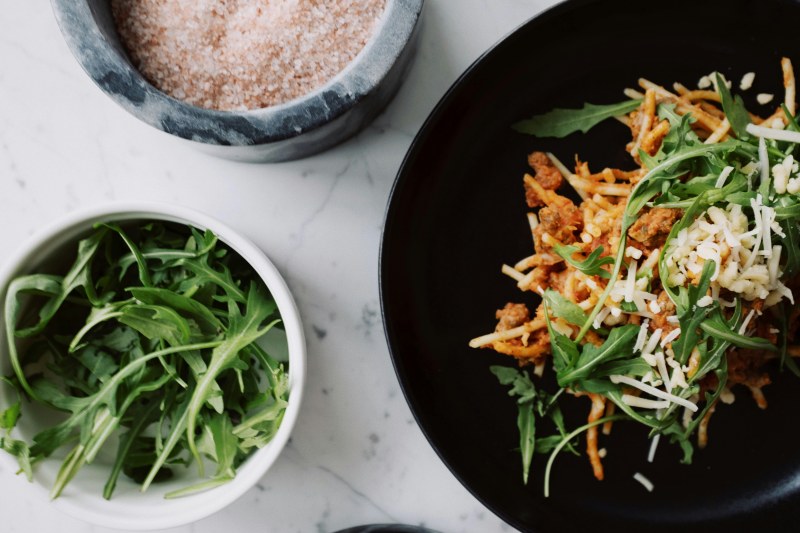
Fresh pasta has a soft, silky texture perfect for light sauces like pesto or butter. But dried pasta (made with semolina flour) has a chewier texture that holds thick, hearty sauces (like Bolognese) better. It’s not about quality—it’s about pairing.
✨ Myth4: You need a pasta machine to make good fresh pasta
A pasta machine makes rolling easier, but it’s not mandatory. A rolling pin works just fine! Roll the dough into a thin sheet (aim for 1/8-inch thickness) and cut with a knife or pasta cutter. It takes a bit more time, but the result is just as delicious.
✨ Myth5: Pasta water should be “salted like the sea”
The idea is to season the pasta from the inside out, but “like the sea” is vague. A better rule: use 1 tablespoon of salt per 4 cups of water. That’s enough to add flavor without making your pasta taste briny.
Fresh vs Dried Pasta: Which to Use When?
Not sure whether to reach for fresh or dried? Here’s a quick comparison:
| Aspect | Fresh Pasta | Dried Pasta |
|---|---|---|
| Prep Time | 30-60 mins (including resting) | 5 mins (just boil) |
| Texture | Soft, silky | Chewy, firm |
| Best Sauce Pairings | Light (pesto, butter, cream) | Thick (Bolognese, ragù, arrabbiata) |
| Shelf Life | 24h (refrigerated) / 3 months (frozen) | 1-2 years (pantry) |
A Classic Quote to Remember
“The best pasta is made with the simplest ingredients: flour, eggs, and salt.” — Marcella Hazan, iconic Italian chef
This quote sums up what makes great pasta: focusing on quality ingredients rather than fancy tools or tricks. Skip the unnecessary add-ins (like oil) and let the basics shine.
Pro Tips for Perfect Homemade Pasta
- 🍝 Use 00 flour (a fine Italian flour) for the silkiest texture.
- 🍝 Don’t overknead the dough—stop when it’s smooth and elastic (about 5-7 mins).
- 🍝 Cook fresh pasta for 2-3 mins (it cooks faster than dried), and dried pasta for 1 minute less than the package instructions (then test for al dente).
FAQ: Your Pasta Questions Answered
Q: Do I need to let pasta dough rest?
A: Yes! Resting allows the gluten to relax, making the dough easier to roll. Let it sit at room temperature for 30 minutes (covered with plastic wrap) before shaping.
Q: Can I use whole wheat flour for pasta?
A: Absolutely! Whole wheat flour adds nuttiness, but it’s denser—add an extra egg yolk per cup of flour to keep the dough soft.
Next time you make pasta, skip the myths and stick to the basics. You’ll be surprised at how easy it is to make perfect noodles right at home.