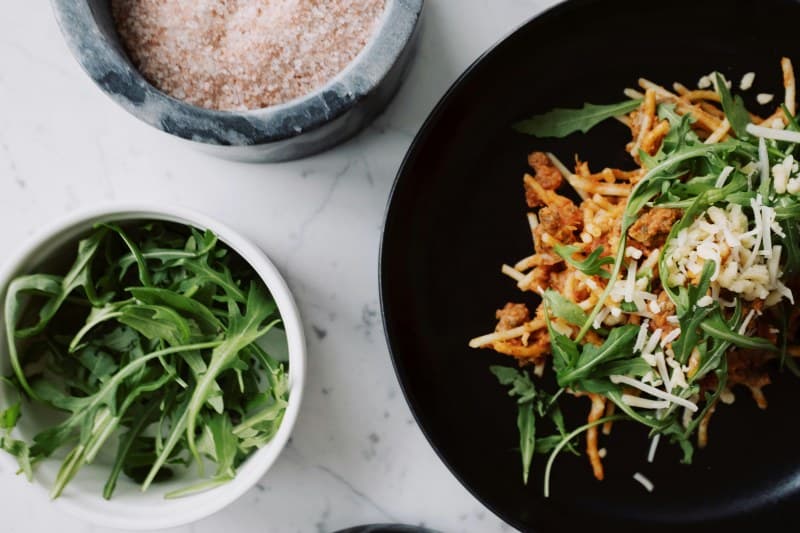
It’s 6 PM on a Tuesday. You’re tired, your fridge is half-empty, and the only thing you can think of is boiling a box of pasta and dumping jarred sauce on it. We’ve all been there. But what if you could turn that boring meal into something that feels like a treat—without spending extra time or money? Let’s dive into 4 simple ways to elevate your weeknight pasta game.
1. Swap Water for Broth: Infuse Flavor From the Start
Boiling pasta in plain water is a missed opportunity. Instead, use chicken, vegetable, or even mushroom broth. The pasta absorbs the broth’s flavor as it cooks, so even a basic sauce tastes richer. For example, if you’re making a tomato-based pasta, swap water for vegetable broth to add depth to the sauce without extra ingredients. Pro tip: Save a cup of the broth to thin your sauce later—this starchy liquid helps the sauce stick to the pasta.
2. Add a Fat Finish: Silkiness Without the Calorie Bomb
After draining your pasta and tossing it with sauce, add a small knob of butter, a drizzle of extra-virgin olive oil, or a spoonful of pesto. This “fat finish” emulsifies the sauce, making it silkier and more cohesive. I once made a simple garlic and olive oil pasta, added a pat of butter at the end, and my roommate asked if I’d ordered takeout. It’s that easy.
3. Toast Your Pasta: Unlock Nutty Goodness
Before boiling, toss dry pasta in a pan with a bit of olive oil over medium heat. Toast it until it turns golden brown (watch closely— it burns fast!). This adds a nutty flavor that plain boiled pasta lacks. Try this with penne or rigatoni for a baked pasta dish; the toasted edges get extra crispy in the oven.
4. Layer Umami: Depth That Makes People Ask for Seconds
Umami is the fifth taste—savory, meaty, and satisfying. Add small amounts of umami-rich ingredients to your sauce: a parmesan rind (toss it in while the sauce simmers), a few anchovies (they melt into the sauce and don’t taste fishy), or a splash of soy sauce. I once added a parmesan rind to my marinara sauce, and my kid who usually picks out tomatoes ate the whole bowl.
Compare Common Pasta Sauce Thickeners
Not sure which thickener to use for your sauce? Here’s a quick comparison:
| Thickener | Pros | Cons | Best For |
|---|---|---|---|
| Cornstarch Slurry | Quick, gluten-free | Can make sauce cloudy if overused | Creamy or tomato sauces |
| Roux (Butter + Flour) | Adds richness, stable | Takes time to cook, not gluten-free | Alfredo or cheese sauces |
| Tomato Paste | Adds flavor + thickness | Can be bitter if not sautéed first | Marinara or bolognese |
| Reduction | Intensifies flavor, no extra ingredients | Takes time to simmer | Wine-based or light sauces |
Classic Wisdom for Pasta Lovers
“The only real stumbling block is fear of failure. In cooking, you’ve got to have a what-the-hell attitude.” — Julia Child
This quote sums up weeknight cooking perfectly. Don’t be afraid to try these hacks—even if you mess up, pasta is forgiving. I once burned the toasted pasta a little, but adding extra broth and a bit of cheese turned it into a delicious, smoky dish.
FAQ: Can These Hacks Work for Gluten-Free Pasta?
Q: I eat gluten-free—can I use these hacks with my pasta?
A: Absolutely! Gluten-free pasta benefits from flavor boosts even more. Swap broth for water (ensure it’s gluten-free), toast it (watch closely as it burns faster), add a fat finish, and layer umami. Just adjust cooking time as per the package instructions—gluten-free pasta often cooks faster than regular.
Next time you’re reaching for that box of pasta, try one of these hacks. You’ll be surprised at how much difference a small change can make. Happy cooking! 🍝