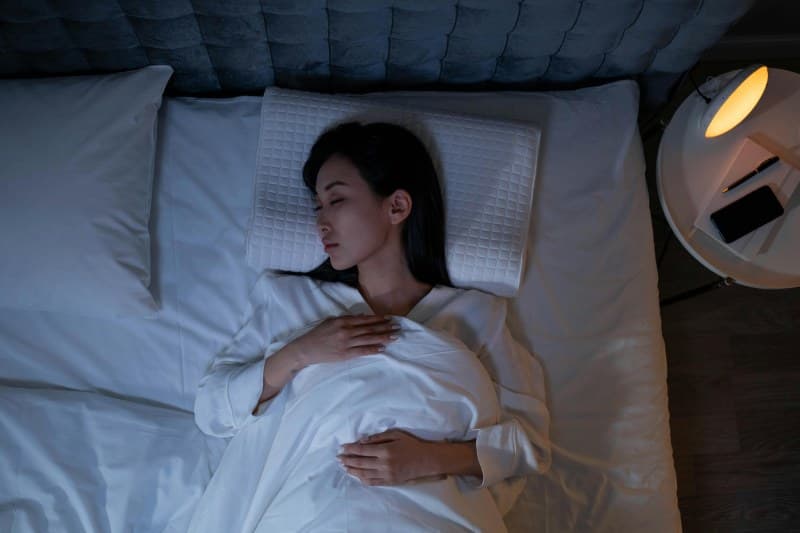
Let’s start with Mia: She goes to bed at 11 PM, turns off her phone, and expects 8 hours of rest. But every night, she tosses for an hour before falling asleep, then wakes up groggy. She blames stress, but the real culprits are small daily habits she never thought about.
The 5 Surprising Habits That Ruin Your Sleep
1. Drinking Coffee After 2 PM
Caffeine has a half-life of 6-8 hours—meaning if you drink a latte at 3 PM, half of that caffeine is still in your system at 9 PM. It blocks adenosine, the chemical that makes you feel tired, so even if you think you’re sleepy, your brain is still wired.
2. Scrolling Your Phone 1 Hour Before Bed
Blue light from screens suppresses melatonin, the hormone that regulates sleep. A 2019 study found that people who used phones before bed took 15 minutes longer to fall asleep and had less deep sleep.
3. Eating Heavy Meals 2 Hours Before Bed
Digesting a big meal (think pizza or pasta) requires energy, which raises your core temperature and activates your digestive system. This can lead to nighttime awakenings or restless sleep.
4. Exercising Too Close to Bedtime
While regular exercise helps sleep, intense workouts within 3 hours of bed raise your heart rate and core temperature. Your body needs time to cool down to prepare for sleep.
5. Keeping Your Bedroom Too Warm
The ideal sleep temperature is 60-67°F (15-19°C). When your room is too warm, your body can’t drop its core temperature— a key step in falling asleep.
Habit vs Fix: Quick Reference Table
Let’s break down each habit, its impact, and how to fix it:
| Habit | Impact on Sleep | Science-Backed Fix |
|---|---|---|
| Drinking coffee after 2 PM | Blocks adenosine, delays sleep onset | Switch to decaf after 2 PM or try herbal tea |
| Scrolling phone before bed | Suppresses melatonin, reduces deep sleep | Use blue light filters or read a physical book |
| Heavy meals before bed | Raises core temp, disrupts digestion | Opt for light snacks (like banana or nuts) 1 hour before bed |
| Intense exercise late | Increases heart rate, delays cooling | Do light yoga or stretching instead of HIIT after 7 PM |
| Warm bedroom | Prevents core temp drop, restless sleep | Lower thermostat or use breathable bedding |
Wisdom From the Past
“Sleep is the best medicine.” — Aristotle
Aristotle knew what he was talking about. Fixing these small habits isn’t just about getting more sleep—it’s about getting better sleep, which boosts your immune system, mood, and focus.
Common Sleep Question Answered
Q: Is it okay to nap for an hour in the afternoon?
A: Short naps (20-30 minutes) are great for energy and don’t interfere with nighttime sleep. But napping longer than 45 minutes or after 3 PM can reduce your sleep drive, making it harder to fall asleep at night.
Small changes go a long way. Mia started switching to herbal tea after 2 PM and reading a book instead of scrolling—now she falls asleep in 10 minutes and wakes up feeling refreshed. You can too.