Last week, my golden retriever Max bounded into the living room after a rainstorm, leaving muddy paw prints all over the cream carpet. I grabbed a paper towel but hesitated—my usual all-purpose cleaner has bleach, which Max might lick off the floor later. That’s when I realized I needed go-to pet-safe methods for these common messes.
Why Pet-Safe Cleaning Matters
Pets are curious creatures. They lick floors, chew on toys, and roll on surfaces—so harsh chemicals like ammonia or bleach can make them sick (think vomiting, diarrhea, or worse). Even some “natural” cleaners have hidden toxins, so it’s key to stick to proven safe ingredients.
5 Pet-Safe Methods for Common Messes
Below is a quick comparison of the most common pet messes and how to clean them safely:
| Mess Type | Pet-Safe Method | Tools Needed | Time to Clean |
|---|---|---|---|
| Urine (fresh) | Blot with paper towels → spray 50/50 vinegar-water → sprinkle baking soda → let sit 1 hour → vacuum | Paper towels, spray bottle, baking soda, vacuum | 1.5 hours |
| Vomit | Scrape solid bits → blot liquid → apply hydrogen peroxide (3%) → let sit 10 mins → wipe | Spatula, paper towels, hydrogen peroxide, cloth | 15 mins |
| Mud | Let dry → vacuum loose dirt → wipe with warm soapy water (mild dish soap) → dry | Vacuum, cloth, mild dish soap, warm water | 30 mins |
| Food Spills (wet) | Blot → mix baking soda and water into paste → apply → let dry → wipe | Paper towels, baking soda, water, cloth | 20 mins |
| Fur on Furniture | Use a lint roller or damp rubber glove → wipe in one direction | Lint roller or rubber glove | 5 mins |
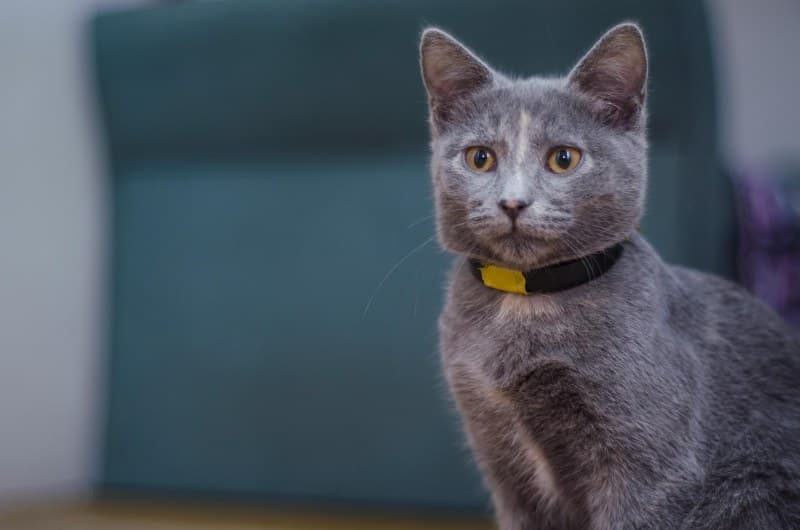
For example, when my cat Luna had an accident on the carpet last month, I used the urine method. I blotted up as much as possible, sprayed the vinegar mix, and sprinkled baking soda. The next morning, the smell was gone—no harsh fumes, and Luna didn’t show any interest in licking the area.
Pro Tips to Make Cleaning Easier (and Safer)
- 💡 Blot, don’t rub: Rubbing pushes messes deeper into fabric or carpet.
- 💡 Test first: Try any cleaner on a hidden spot (like under a rug) to make sure it doesn’t stain.
- 💡 Store safely: Keep all cleaning supplies in a cabinet your pet can’t reach.
FAQ: Your Pet-Safe Cleaning Questions Answered
Q: Can I use essential oils in my pet-safe cleaners?
A: Some essential oils (like tea tree, eucalyptus, or peppermint) are toxic to dogs and cats. Stick to plain vinegar or baking soda if you want to avoid risks. If you must use scents, opt for pet-specific products labeled safe.
Final Thought: Clean Home, Happy Pet
“A dog is the only thing on earth that loves you more than he loves himself.” — Josh Billings
This quote reminds me why pet-safe cleaning isn’t just a chore—it’s a way to care for the family members who give us unconditional love. With these 5 methods, you can keep your home clean and your pets healthy without sacrificing results.