Let’s start with Mia’s story: She’s been avoiding water after 7 PM for months because a friend told her it would make her wake up to pee and ruin her sleep. But lately, she’s woken up with dry mouth, headaches, and even more tired than when she went to bed. Is her nighttime water ban really helping?
The Truth About Drinking Water Before Bed
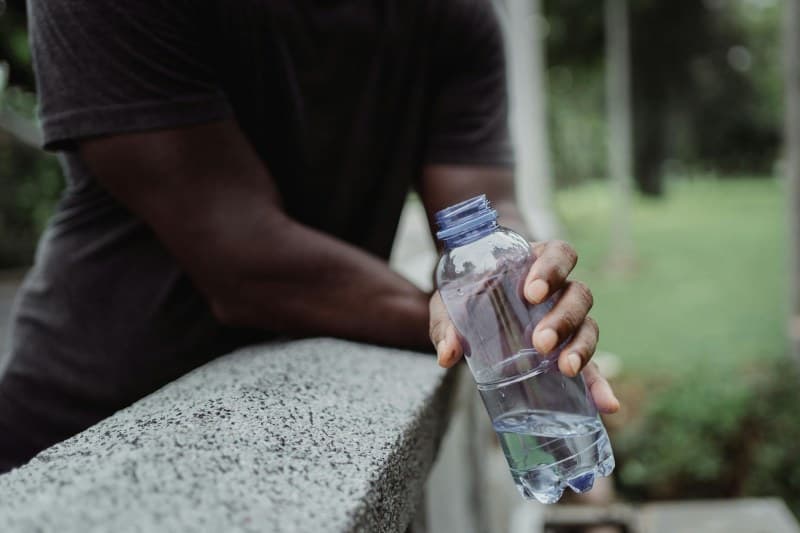
Contrary to popular belief, drinking water before bed doesn’t have to sabotage your sleep. For most people, a small glass (4–8 ounces) 30–60 minutes before bed is unlikely to cause middle-of-the-night bathroom trips. In fact, it can prevent dehydration-related headaches and dry mouth that disrupt sleep. The key is moderation: chugging a liter right before bed might lead to wake-ups, but a small sip won’t.
6 Common Hydration Myths Debunked
- Myth 1: You need 8 glasses of water a day.
Truth: The Institute of Medicine recommends 9–13 cups (2.2–3.1 liters) for adults, but this varies by activity level, climate, and health. For example, a runner in Texas needs more than someone working a desk job in Alaska. - Myth 2: Thirst means you’re already dehydrated.
Truth: Thirst is an early signal, not a late one. It’s perfectly okay to drink when you feel thirsty—your body is telling you it needs water. - Myth 3: Infused water is healthier than plain.
Truth: Infused water adds flavor (great for people who hate plain water) but no extra nutrients unless you eat the fruit. Plain water is just as effective for hydration. - Myth 4: Sports drinks are necessary for all workouts.
Truth: Only for intense workouts over 60 minutes (like a long run or HIIT class). For short sessions (30 minutes or less), plain water is enough. - Myth 5: Dehydration only causes thirst.
Truth: It can lead to fatigue, brain fog, dry skin, and even mood swings. A 2019 study found even mild dehydration (1–2% of body weight) reduces focus and energy. - Myth 6: Coffee dehydrates you.
Truth: Moderate coffee intake (3–4 cups a day) doesn’t dehydrate most people. The diuretic effect is mild and offset by the water in the coffee.
Hydration Options for Different Scenarios
Not sure what to drink when? Here’s a quick guide:
| Scenario | Best Option | Why |
|---|---|---|
| Morning wake-up | Plain water or warm lemon water | Rehydrates after 8+ hours of sleep; lemon adds flavor without sugar. |
| Post-short workout (30 mins) | Plain water | Replenishes lost fluids without extra calories. |
| Post-intense workout (90 mins) | Sports drink or coconut water | Restores electrolytes (sodium, potassium) lost through sweat. |
| Before bed | Small glass of plain water (4–8 oz) | Prevents nighttime dehydration without disrupting sleep. |
| During workday | Plain water or herbal tea | Keeps energy levels steady and avoids sugar crashes from sweet drinks. |
A Classic Take on Water
“Water is the driving force of all nature.” — Leonardo da Vinci
This quote reminds us how essential water is to every function of our body, from digestion to sleep. Proper hydration isn’t just about avoiding thirst—it’s about keeping our bodies running smoothly.
FAQ: Common Question About Nighttime Hydration
Q: I wake up at night to pee—should I stop drinking water before bed?
A: Try adjusting the timing and amount. Drink your last glass 1–2 hours before bed, and limit it to 4–6 ounces. If the problem persists, it might be unrelated to hydration (like an overactive bladder or sleep apnea). Consult a doctor if it’s a regular issue.
Final Thoughts
Mia decided to try drinking a small glass of water an hour before bed instead of cutting it out entirely. Within a week, her morning headaches were gone, and she still slept through the night. The key takeaway? Hydration myths often oversimplify complex body processes. Listen to your body, and don’t let misinformation guide your habits.