Last year, I wandered into a small alley in Chiang Mai, Thailand, following the smell of coconut curry. A grandmother named Mali waved me over to her wooden table, where she was stirring a pot of khao soi—creamy coconut noodle soup with crispy noodles on top. She didn’t speak English, but she smiled as she handed me a bowl, and we communicated through gestures and shared laughter. That meal wasn’t just food; it was a window into her life, her culture, and the heart of Thailand. It’s moments like these that make travel unforgettable.
The 5 Unforgettable Local Food Experiences
Local food is more than sustenance—it’s a way to connect with a place and its people. Here are 5 experiences that will turn your trip into a story:
| Experience Type | Cost (per person) | Cultural Depth (1-5) | Effort to Arrange | Best For |
|---|---|---|---|---|
| Street Food Tour | $15-$30 | 4 | Low (book online) | Budget travelers & foodies |
| Home-Cooked Meal with Locals | $20-$50 | 5 | Medium (use platforms like EatWith) | Cultural enthusiasts |
| Market Food Tasting | $5-$15 | 3 | Low (self-guided) | Solo travelers |
| Traditional Cooking Class | $30-$60 | 4 | Medium (book in advance) | Hands-on learners |
| Farm-to-Table Dine-In | $40-$80 | 5 | High (reserve early) | Luxury travelers |
1. Street Food Tour
Join a guided tour of local street food stalls—like Mexico City’s taco stands or Tokyo’s yakitori bars. Guides know the best spots (avoiding tourist traps) and can explain the history behind each dish. I once took a tour in Hanoi where we tried banh mi from a 20-year-old stall; the owner told us how her mother started the business with a single cart.
2. Home-Cooked Meal with Locals
Platforms like EatWith or Couchsurfing connect you with local hosts who invite you into their homes for a meal. In Lisbon, I ate bacalhau (salted cod) with a family who taught me how to make pastéis de nata. It’s a chance to ask questions about their daily lives and traditions.
3. Market Food Tasting
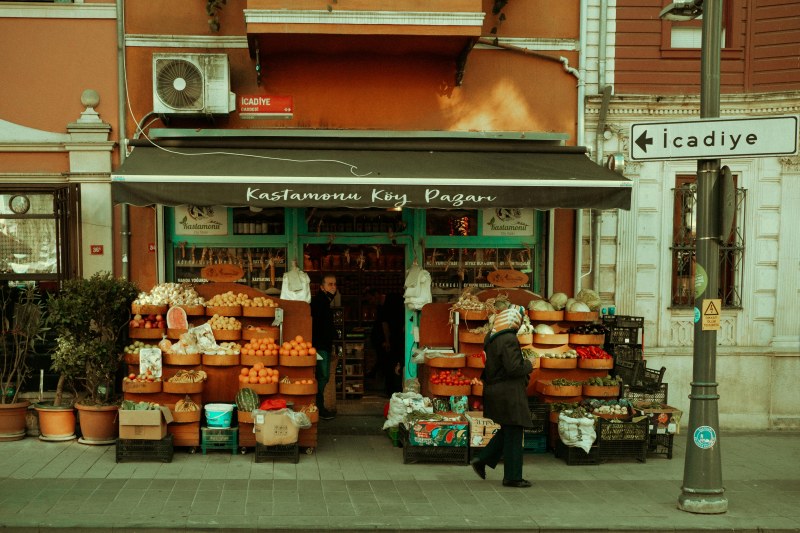
Wander through a local market—like Marrakech’s Jemaa el-Fnaa or Bangkok’s Chatuchak—and try small bites. Grab a samosa from a vendor in Delhi, or a fresh mango from a stall in Bali. It’s cheap, fun, and you get to see how locals shop.
4. Traditional Cooking Class
Learn to make a local dish from scratch. In Oaxaca, I took a class where we ground corn for tortillas and made mole sauce. You’ll take home a recipe and a deeper understanding of the ingredients used in the region.
5. Farm-to-Table Dine-In
Visit a farm that serves meals using its own produce—like a vineyard in Tuscany or a organic farm in Costa Rica. You’ll taste fresh, seasonal food and learn about sustainable farming practices.
Common Myths About Local Food Travel
Myth 1: Street Food Is Always Unsafe
Not true! Busy stalls with fresh, hot food are usually safe. Look for stalls where locals are eating—they know the best (and safest) spots. In Thailand, I ate street food every day and never got sick.
Myth 2: You Need to Speak the Local Language
Gestures and smiles go a long way. I once ordered food in a Vietnamese market using hand signals (pointing to dishes, holding up fingers for portions) and it worked perfectly. Many vendors also have pictures of their dishes.
Pro Tips for Local Food Experiences
- Learn a few food-related phrases: “What’s this?” or “Delicious!” in the local language will make vendors happy.
- Follow locals: If you see a long line at a stall, join it—they know the good stuff.
- Carry small cash: Most street vendors don’t accept credit cards.
- Don’t be afraid to try new things: You might discover your new favorite dish!
FAQ: Is Street Food Safe for Vegetarians?
Q: I’m a vegetarian—can I enjoy street food in foreign countries?
A: Yes! Many countries have vegetarian street food options. In India, you’ll find samosas, dosas, and chana masala. In Mexico, look for veggie tacos or elote (corn on the cob). Just learn the local word for “vegetarian” (e.g., “vegetariano” in Spanish) and ask vendors.
“Food is everything we are. It’s an extension of nationalist feeling, ethnic feeling, your personal history, your province, your region, your tribe, your grandma. It’s inseparable from those from whom you come.” — Anthony Bourdain
This quote sums it up: food is a bridge between cultures. Whether you’re eating street food in Bangkok or a home-cooked meal in Lisbon, local food experiences will make your travels more meaningful. So next time you’re planning a trip, skip the tourist restaurants and dive into the local food scene—you won’t regret it.