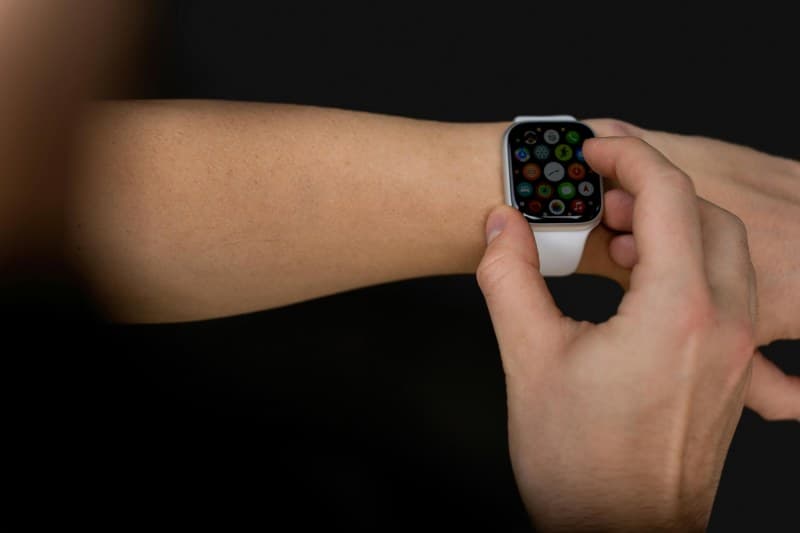
Last week, my friend Sarah showed me her smartwatch’s sleep report, complaining it only told her how long she slept. But what she didn’t know was that her watch was tracking 5 other health metrics she’d never even noticed. Most of us use our smartwatches for steps or heart rate, but they’re hiding way more useful features that can help you understand your body better.
5 Hidden Health Tracking Features You’re Missing
Your smartwatch does more than count steps. Here’s a breakdown of the lesser-known features and how they can benefit you:
| Feature | What It Does | How to Access | Key Benefit |
|---|---|---|---|
| Respiratory Rate | Tracks breaths per minute while you sleep. | Health app > Sleep > Detailed Report | Detects early signs of respiratory issues like sleep apnea. |
| HRV (Heart Rate Variability) | Measures the time between consecutive heartbeats. | Health app > Heart > HRV | Indicates stress levels and how well your body is recovering. |
| Blood Oxygen (SpO2) | Monitors the percentage of oxygen in your blood. | Swipe down from watch face > SpO2 Widget | Alerts to low oxygen levels during sleep or high-altitude activities. |
| Posture Reminders | Uses sensors to detect when you’re slouching. | Watch Settings > Posture > Enable Reminders | Reduces back and neck pain from prolonged sitting. |
| Sleep Stages | Breaks sleep into deep, light, and REM cycles. | Sleep Report > Stages Section | Helps you adjust your routine to get more restorative sleep. |
Real-Life Example: How HRV Changed Sarah’s Routine
Sarah noticed her HRV score was consistently low every Monday morning. After a week of tracking, she realized it was linked to her Sunday night habit of checking work emails before bed. She started doing 10 minutes of guided meditation instead, and within two weeks, her HRV improved by 15%. Now she uses her watch’s HRV data to adjust her self-care routine and avoid burnout.
Common Myths Debunked
"The art of progress is to preserve order amid change and to preserve change amid order." — Alfred North Whitehead
This quote rings true for smartwatches: they help us keep track of our health (order) while adapting to our daily changes. But there are many myths about these devices that hold people back from using them to their full potential.
FAQ: Your Smartwatch Questions Answered
Q: Does my smartwatch’s blood oxygen reading replace a medical device?
A: No. Smartwatches are designed for general wellness tracking, not medical diagnosis. If you’re concerned about your blood oxygen levels, consult a healthcare provider for a professional test.
Q: Will wearing a smartwatch all day expose me to harmful radiation?
A: No. Smartwatches use non-ionizing radiation (similar to cell phones), which is well below the safety limits set by organizations like the FDA. You don’t need to worry about harm from regular use.
Pro Tips to Maximize Your Smartwatch’s Health Features
- 💡 Calibrate monthly: Take a 10-minute outdoor walk with your watch to adjust step count accuracy.
- 💡 Charge at night: If you track sleep, use a bedside charger to ensure your watch stays on all night and captures full data.
- 💡 Sync with your doctor: Many smartwatches let you export health data (like heart rate or sleep stages) to share with your healthcare provider for personalized care.
Smartwatches are more than just fancy timepieces—they’re personal health assistants. By exploring their hidden features, busting common myths, and using them intentionally, you can turn your watch into a tool that helps you live a healthier, more informed life.