We’ve all been there: hitting snooze one too many times, rushing to the kitchen, and ending up with scrambled eggs that are either rubbery, undercooked, or burnt. But what if there’s a way to nail them every time? Let’s break down four methods that fit any schedule or preference.
4 Methods to Master Scrambled Eggs
Before diving into each method, let’s compare them side by side to find what works for you:
| Method | Time (minutes) | Texture | Pros | Cons |
|---|---|---|---|---|
| Stovetop Low & Slow | 5-7 | Creamy, soft curds | Restaurant-quality, customizable | Requires constant stirring |
| Microwave Quick | 1-2 | Fluffy, light | Zero cleanup, super fast | Can get rubbery if overcooked |
| Sous Vide Creamy | 15-20 | Silky, uniform | No stirring, consistent results | Requires sous vide machine |
| Air Fryer Crispy | 3-4 | Crispy edges, soft center | Hands-off, unique texture | Small batch only |
Stovetop Low & Slow 🍳
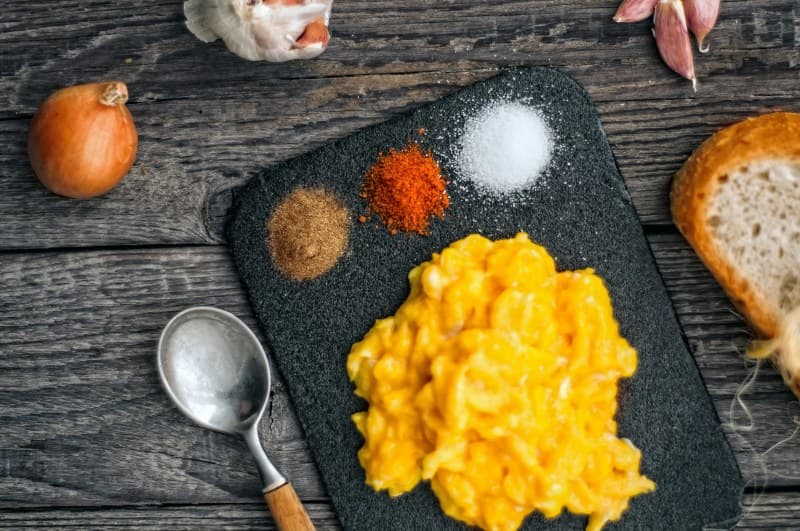
Heat a non-stick pan over low heat (key here—high heat ruins everything). Whisk 2-3 eggs with a splash of whole milk (for creaminess) or water (for fluffiness) and a pinch of salt. Pour into the pan. Stir gently with a spatula every 30 seconds until soft curds form. Remove from heat when slightly runny—they’ll set as they cool.
Microwave Quick ⚡
Whisk 2 eggs in a microwave-safe bowl with a pinch of salt. Microwave for 30 seconds, stir to break up curds, then microwave for another 20-30 seconds. Stop when eggs are mostly set—overcooking leads to rubbery results. Perfect for busy mornings when you’re grabbing coffee on the go.
Sous Vide Creamy 🥛
Whisk 2-4 eggs with salt, then seal them in a vacuum bag (or a zip-top bag with air squeezed out). Cook in a sous vide machine at 160°F (71°C) for 15 minutes. Remove, stir, and serve—silky smooth, no lumps, and consistent every time.
Air Fryer Crispy 🔥
Whisk 2 eggs with salt. Grease an air fryer-safe dish (like a small ramekin) and pour in the eggs. Cook at 350°F (175°C) for 3 minutes, stirring once halfway. The edges get crispy, while the center stays soft—great for a fun twist on classic eggs.
A Classic Quote to Inspire Your Egg Journey
“You don’t have to cook fancy or complicated masterpieces—just good food from fresh ingredients.” — Julia Child
This rings true for scrambled eggs. Even the simplest method works if you use fresh eggs and pay attention to heat. No need for fancy tools (unless you want them)—freshness is key.
A Relatable Story
My friend Lila used to dread making scrambled eggs. Every morning, she’d crank the heat to high, stir once, and end up with browned, rubbery eggs. One weekend, she tried the stovetop low & slow method. She set her pan to low, stirred gently, and waited. The result? Creamy, soft curds that tasted like they came from her favorite brunch spot. Now, she adds chives or shredded cheese to her eggs every weekend—no more burnt mornings.
FAQ: Your Egg Questions Answered
Q: Should I add milk or water to my scrambled eggs?
A: It depends on the method! Milk adds creaminess (ideal for stovetop low & slow), water adds fluffiness (great for microwave). If you want a pure egg flavor, skip both—sous vide eggs don’t need any additions.
Whether you’re in a rush or have time to spare, there’s a scrambled egg method for you. Try one (or all) this week—you might just find your new go-to morning meal.