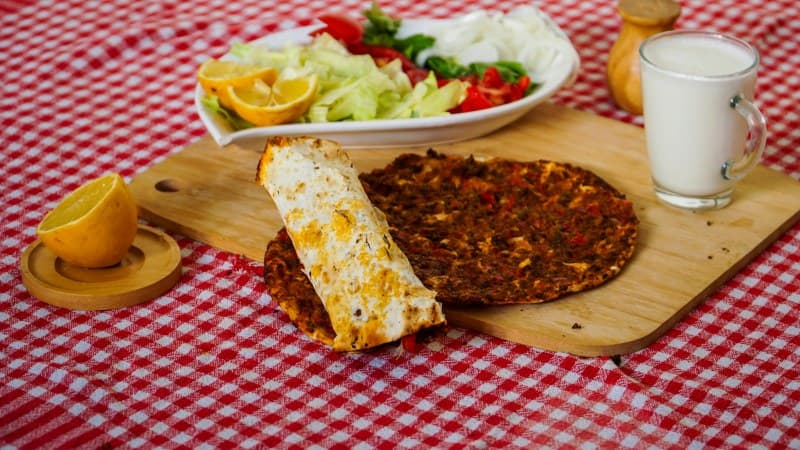
Last year, I found myself in Cancun’s Hotel Zone, staring at a menu full of overpriced ‘Mexican’ dishes that tasted nothing like the tacos I’d had in Mexico City. I was frustrated until a local taxi driver told me to walk 10 minutes outside the zone to a tiny taqueria where locals lined up. That’s where I had the best al pastor tacos of my life – crispy, marinated pork with pineapple, served on fresh corn tortillas. It taught me that finding authentic food in tourist hotspots isn’t impossible; you just need to know where to look.
4 Ways to Find Authentic Local Food in Tourist Hotspots
1. Follow the Locals (Not the Crowds)
Tourist areas are full of spots that cater to visitors, but the best food is where locals eat. If you see a place with a line of people speaking the local language, chances are it’s good. For example, in Paris, skip the cafes near the Eiffel Tower and head to Le Marais – look for boulangeries with long lines of Parisians grabbing croissants in the morning.
2. Ask Non-Tourist Workers
Hotel concierges often get commissions for recommending certain spots, so try asking the housekeeping staff or taxi drivers instead. When I was in Bangkok, a street vendor told me to go to a hidden noodle shop behind a 7-Eleven – it was run by an elderly woman who made pad thai from scratch, and it cost half the price of tourist spots.
3. Visit Neighborhood Markets
Central tourist markets (like Bangkok’s Chatuchak Weekend Market) are great for souvenirs, but neighborhood markets are where locals shop for food. In Barcelona, the Mercat de la Boqueria near Las Ramblas is touristy, but the Mercat de Sant Antoni has fresh produce and local tapas bars that few visitors know about.
4. Try Off-Menu Items (Politely)
Many local restaurants have secret dishes that aren’t on the menu. In Tokyo, I asked a sushi chef if he had any special rolls, and he made me a tuna and avocado roll with a secret sauce that wasn’t listed. Just remember to ask politely – a smile and a simple “Do you have any local favorites not on the menu?” goes a long way.
Wondering how tourist spots stack up against local gems? Here’s a quick comparison:
| Factor | Tourist Food Spots | Local Food Gems |
|---|---|---|
| Price | 2–3x higher | Budget-friendly |
| Authenticity | Watered-down flavors | Traditional recipes |
| Vibe | Busy, impersonal | Cozy, community-focused |
| Wait Time | Short (pre-made food) | Longer (freshly cooked) |
“Food is our common ground, a universal experience.” – James Beard
This quote rings true because food connects us to the culture of a place. When you eat authentic local food, you’re not just filling your stomach – you’re experiencing a part of the community’s history and traditions.
Common Question: Is It Rude to Ask for Off-Menu Items?
Q: I’m worried about being rude if I ask for something not on the menu. Should I avoid it?
A: It depends on the restaurant. In small, family-run spots, asking politely is usually welcome – many chefs love sharing their favorite dishes. However, in busy, high-end restaurants, it might not be feasible. A good rule of thumb: if the restaurant is casual and the staff seems friendly, go for it!
Finding authentic local food in tourist hotspots takes a little effort, but it’s worth it. The next time you’re in a busy destination, skip the obvious spots and try these tips. You might just find a hidden gem that becomes the highlight of your trip.