Ever found yourself reaching for a $5 latte on the way to work, even though you have coffee at home? Or buying a new shirt because it was on sale, even though your closet is full? Overspending doesn’t always mean big splurges—it’s the small, repeated choices that add up. The good news is you don’t have to cut out all fun to save. Let’s look at 4 science-backed ways to curb overspending without feeling like you’re misses out.
1. Delay Gratification (The 24-Hour Rule)
When you see something you want (that’s not a need), wait 24 hours before buying it. This gives your brain time to move from the "impulse" phase to the "rational" phase. For example, if you spot a cute mug online, add it to your cart but don’t check out. The next day, ask yourself: Do I really need this? Most of the time, the urge will fade.
2. Envelope System (Cash-Only for Non-Essentials)
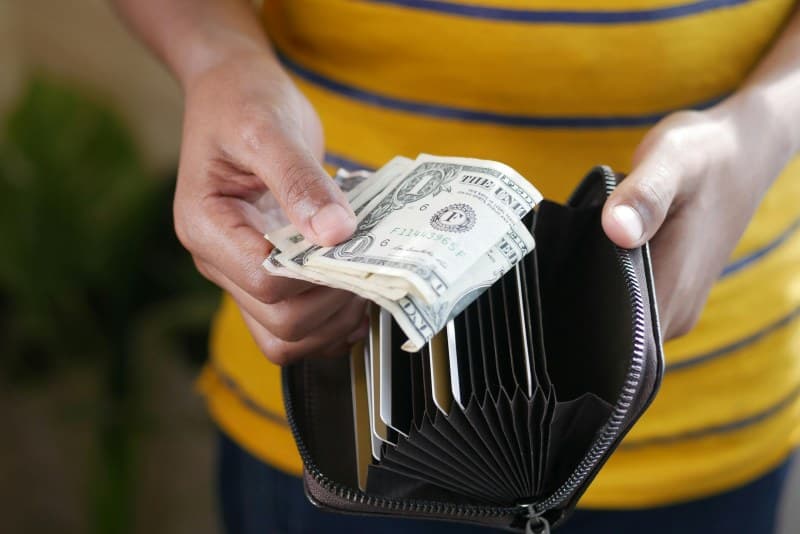
Take cash out for categories like dining out, entertainment, or shopping. Put each category in a separate envelope. Once the cash is gone, you can’t spend more that month. This method works because physical cash feels more "real" than swiping a card—you see exactly how much you’re using.
3. Joy Budget Allocation
Set aside a small portion of your budget (say, 5-10% of your income) for "joy spending"—things that make you happy without guilt. This could be a monthly massage, a concert ticket, or that fancy coffee. The key is to plan for it, so you don’t feel deprived.
4. Track Spending with a Digital Tool
Use apps like Mint or YNAB to track every dollar you spend. These tools categorize your expenses, so you can see where your money is going (hello, $100/month on snacks!). Many apps send alerts when you’re nearing your budget limit, helping you stay on track.
Let’s compare the 4 methods to help you pick the right one:
| Method | Effort Level | Joy Impact | Pros | Cons |
|---|---|---|---|---|
| Delay Gratification | Low | Medium | Easy to start, no tools needed | Requires self-control in the moment |
| Envelope System | Medium | High | Tangible, prevents overspending | Needs cash management, not ideal for online shopping |
| Joy Budget Allocation | Low | High | Allows guilt-free fun, easy to plan | Requires sticking to the allocated amount |
| Digital Tracking | Medium | Medium | Automated, gives clear insights | May feel overwhelming if you hate apps |
"A penny saved is a penny earned." – Benjamin Franklin
This old saying still holds true today. Every small choice to save (like skipping that extra latte) adds up over time. It’s not about being cheap—it’s about making your money work for you.
Let’s take Sarah, a 28-year-old graphic designer. She used to spend $8 a day on coffee and snacks, adding up to $240 a month. Then she tried the delay gratification rule. When she wanted a latte, she waited 24 hours. Most days, she realized she didn’t really need it. After a month, she saved $180 and used the money to buy concert tickets for her and her best friend. She said, "I felt way more satisfied with that one experience than all the daily lattes combined."
Common Question: What if I have an emergency?
Q: These methods are for non-essential spending, but what if I need to spend money on an emergency (like a car repair)?
A: Always prioritize your emergency fund first. If you don’t have one, start small (even $500 can help). The 4 methods above are for discretionary spending—things you don’t need. So if you have an emergency, use your emergency fund or adjust your budget for that month, but don’t let it derail your long-term goals.
Overspending doesn’t have to be a cycle. By trying one (or more) of these methods, you can take control of your money without giving up the things that make life fun. Remember: It’s not about perfection—it’s about progress. Even small changes can lead to big savings over time.