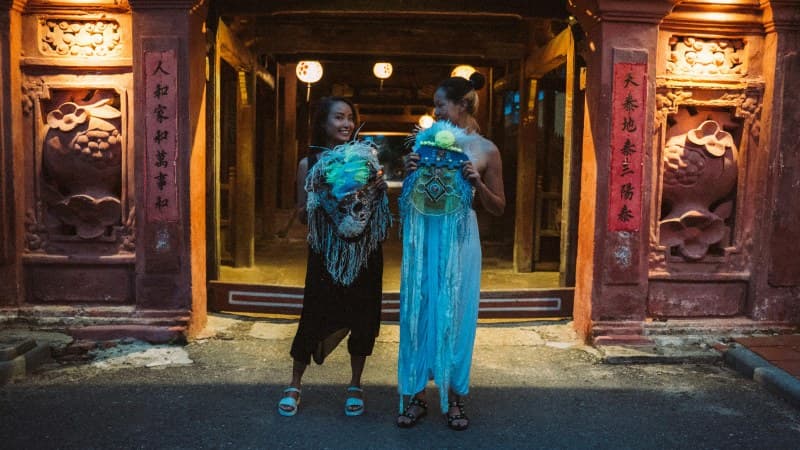
Last summer, I wandered into a bustling covered market in Marrakech. I’d gone to buy a bag of cumin and paprika, but ended up sitting on a weathered wooden stool with a vendor named Karim, sipping sweet mint tea while he told me about his family’s 30-year-old spice business. That unplanned hour taught me more about Moroccan culture than any guidebook ever could. Local markets aren’t just places to shop—they’re living classrooms for travelers, full of unexpected lessons.
4 Unexpected Lessons from Local Markets
1. Slow Down to Connect 🕰️
Markets force you to hit pause on the fast pace of travel. Bargaining isn’t a quick transaction—it’s a dance. Karim didn’t rush our conversation; he took time to explain how to mix spices for tagine and even gave me a free pinch of saffron. In a world where we’re used to one-click purchases, this slow interaction felt like a gift.
2. Cultural Respect is in the Small Details 🙏
Every market has unwritten rules. In a Thai street market, I once reached for a mango without asking— the vendor gently shook his head and pointed to a sign (in English!) that said “Please ask before touching.” I apologized, and he laughed, handing me the juiciest mango I’ve ever tasted. Small gestures like asking permission or greeting vendors in their language go a long way.
3. Food Tells a Story 🍲
Markets are food history museums. At Mexico City’s Mercado de la Merced, I tried churros con chocolate from a vendor named Doña Maria. She’d been making them since she was 12, using her grandmother’s recipe. As I bit into the crispy churro, she told me how her family had sold the treat at the market for three generations. That churro wasn’t just food—it was a piece of her family’s legacy.
4. Imperfection is Part of the Charm ✨
Markets aren’t polished like supermarkets. In a Turkish bazaar, I found a ceramic bowl with a tiny crack. The vendor said it was a “happy accident” from the kiln and sold it to me for half price. Now, every time I use that bowl, I remember his smile and the story behind it. Imperfections make market finds feel personal and unique.
Different types of local markets offer unique lessons. Here’s how three common types stack up:
| Market Type | Key Lesson | Best For |
|---|---|---|
| Street Market | Adaptability (navigate crowds, try new foods on the go) | Quick, authentic bites and last-minute souvenirs |
| Covered Market | Community (long conversations with vendors) | Deep dives into local crafts and traditions |
| Farmers' Market | Sustainability (support local farmers, reduce food miles) | Fresh, seasonal produce and eco-friendly buys |
“The market is the soul of the city.” — Unknown
This saying rings true because markets reflect the daily lives, traditions, and values of the people who live there. Every stall, every vendor, every item tells a piece of the city’s story—you just have to take the time to listen.
Common Q&A: Navigating Markets with Confidence
Q: I’m shy—how can I interact with vendors without feeling awkward?
A: Start small! Smile and say hello in the local language (even a simple “bonjour” or “hola” works). Ask a question about their product—like “How do you use this herb?” Most vendors love sharing their knowledge, and it’s a great way to break the ice.
Next time you travel, skip the tourist traps and head to the nearest market. You might leave with a bag of spices, a cracked ceramic bowl, or a story from a vendor. But most importantly, you’ll leave with a deeper understanding of the place you’re visiting. Markets are where travel becomes meaningful.